

Aluminum CNC Part Surface Treatments: A Deep Dive
Selecting the correct surface treatment for Aluminum CNC Machining is crucial for durability and aesthetics. ly-machining provides precision aluminum machining services for custom aluminum CNC parts.
The performance of your aluminum CNC parts extends far beyond their initial machining. The surface finish is often the defining factor that determines a component’s longevity, functionality, and aesthetic appeal in its final application. Neglecting this critical stage can lead to premature failure, costly reworks, and ultimately, a compromised product.
For engineers and product designers, navigating the vast array of surface treatment options for aluminum CNC machined parts can be daunting. Each process offers unique benefits and drawbacks, demanding a precise understanding to match the right treatment with specific application requirements. This comprehensive guide will illuminate the science and practice behind optimal aluminum finishing.

Understanding Aluminum CNC Part Surface Treatments
The journey of aluminum from raw material to a high-performance component involves more than just precise cutting. Our deep experience in aluminum CNC machining has shown that surface treatments are indispensable for unlocking the full potential of these versatile metals. They are not merely cosmetic; they are engineered solutions.
In our factory, we consistently emphasize that surface treatments add crucial properties that raw machined aluminum cannot offer alone. These properties include enhanced corrosion resistance, improved hardness, electrical insulation, and even aesthetic appeal. This is especially true for custom aluminum CNC parts that must meet stringent performance criteria.
What defines excellent Aluminum CNC Machining finishes?
An excellent aluminum CNC machining finish is characterized by several key attributes. Primarily, it means achieving the desired functional properties without compromising the part’s dimensional integrity or surface texture. This balance is critical for precision aluminum machining services.
Secondly, consistency across batches is paramount. Our processes are designed to ensure uniform thickness, color, and performance across all components, regardless of order volume. This attention to detail defines our commitment to high-quality output for every CNC machining project.
Why are surface treatments critical for Custom Aluminum CNC Parts?
Surface treatments are critical because they directly impact the part’s suitability for its intended environment and application. A raw aluminum surface is susceptible to oxidation, wear, and scratching, limiting its operational lifespan and aesthetic appeal. Custom aluminum CNC parts often demand specific performance characteristics.
By applying the correct treatment, we can significantly extend the life of the part, enhance its performance in challenging conditions, and achieve precise functional requirements. This ensures the custom component performs exactly as specified, protecting your investment and reputation.

Key Surface Treatment Processes for Aluminum CNC
At ly-machining, we offer a comprehensive range of surface treatment processes, each tailored to specific requirements for aluminum CNC parts. Our expertise spans from foundational processes to highly specialized applications, ensuring optimal performance for every project. We handle the entire process under one roof as a source manufacturer.
Understanding these processes is key to making informed decisions for your precision aluminum machining services. We guide our clients through the technical details, ensuring the chosen treatment aligns perfectly with their design and functional goals.
Anodizing: Enhancing your Aluminum CNC Machining projects
Anodizing is an electrolytic passivation process used to increase the thickness of the natural oxide layer on the surface of aluminum parts. This process dramatically enhances corrosion and wear resistance, making it ideal for many aluminum CNC machining projects. It also provides an excellent base for various dyes.
The controlled formation of an anodic oxide layer integrates directly with the aluminum substrate, creating a hard, durable, and electrically insulative finish. This makes anodizing a preferred choice for components requiring robust surface properties.
Hard Anodizing benefits for Precision Aluminum Machining Services
Hard anodizing, also known as Type III anodizing, produces a much thicker and denser oxide layer compared to conventional anodizing. This treatment results in superior hardness, wear resistance, and abrasion resistance, akin to ceramic coatings. It is indispensable for precision aluminum machining services.
In our experience, hard anodizing is commonly specified for components subjected to harsh operating conditions, such as gears, pistons, and valve parts. Its excellent dielectric properties also make it suitable for electrical insulation applications.
Decorative Anodizing for aesthetic Custom Aluminum CNC Parts
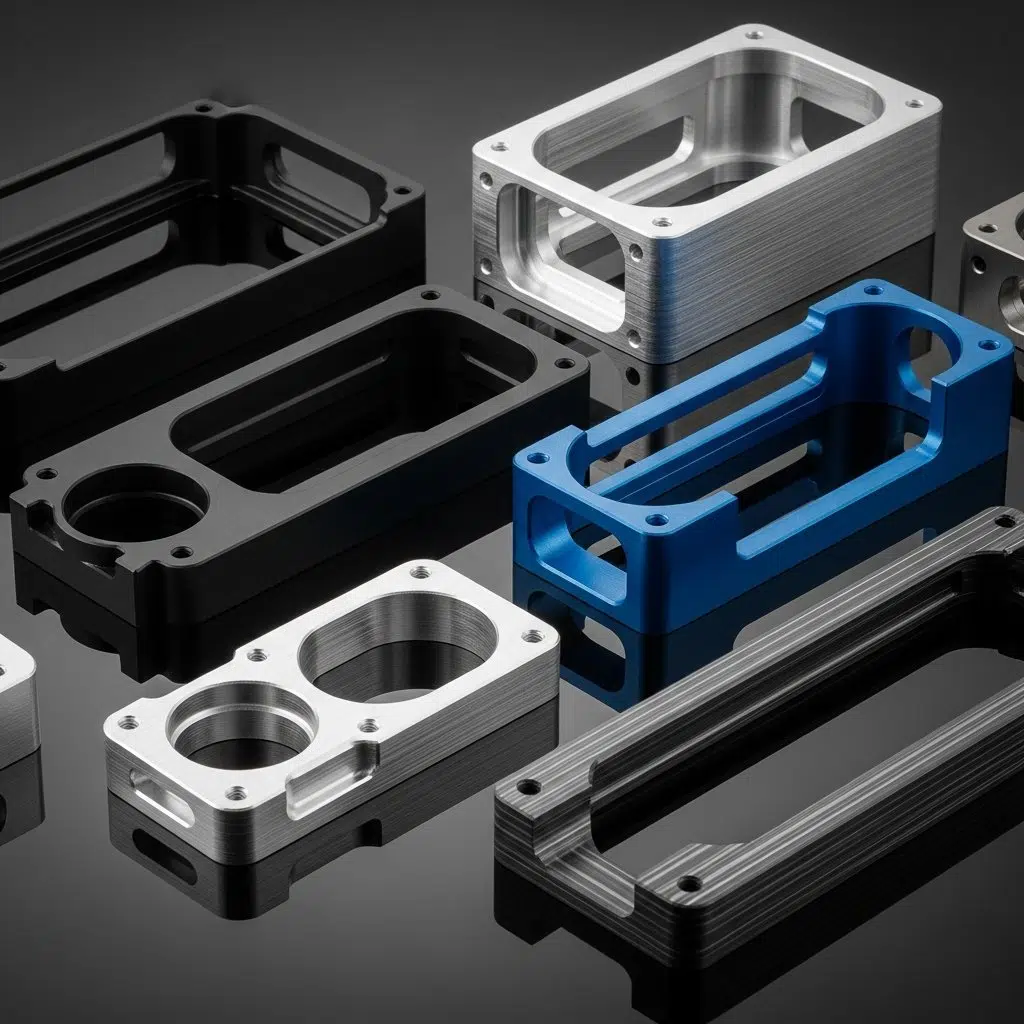
Decorative anodizing, typically Type II, focuses on achieving a visually appealing finish with a wide range of color options. While still offering good corrosion resistance, its primary purpose is to enhance the aesthetic qualities of custom aluminum CNC parts.
This process allows for vibrant and consistent color application, making it popular for consumer electronics, architectural components, and sporting goods. The finish can be matte, satin, or gloss, depending on the pre-treatment and sealing process.

Powder Coating: Durable protection for your CNC machining
Powder coating is a dry finishing process where finely ground particles of pigment and resin are electrostatically charged and sprayed onto the aluminum CNC part. The part is then cured under heat, allowing the powder to flow and form a “skin.” This creates a durable, protective layer for your CNC machining.
This finish offers excellent chip, scratch, and fade resistance, superior to liquid paints, and provides a wide range of colors and textures. It is an environmentally friendly option due to the absence of volatile organic compounds (VOCs).
Chemical Conversion Coating for Aluminum CNC parts
Chemical conversion coating, often referred to as Chromate Conversion (Alodine) or non-chrome alternatives, creates a thin, gel-like film on the aluminum surface. This film provides excellent corrosion resistance and acts as an outstanding primer for paint or other organic coatings on aluminum CNC parts.
It maintains the electrical conductivity of the aluminum, which is a key advantage in applications where EMI shielding or grounding is required. This process is commonly used for aerospace and electronics components.
Electroless Nickel Plating for Precision Aluminum Machining
Electroless nickel plating (EN) is an autocatalytic chemical process that deposits an even layer of nickel-phosphorus alloy onto the aluminum substrate without external electricity. This provides exceptional corrosion, wear, and abrasion resistance for precision aluminum machining.
A significant benefit of EN plating is its uniform thickness, even on complex geometries and internal surfaces, ensuring consistent performance. It also offers good lubricity and is often chosen for parts requiring tight tolerances and high wear resistance.

Polishing & Blasting: Achieving desired Aluminum CNC finishes
Polishing and blasting are mechanical surface finishing techniques used to achieve specific aesthetic and functional textures for aluminum CNC finishes. Polishing produces a smooth, reflective surface, while blasting creates a matte or satin texture.
Bead blasting uses glass beads to create a fine, uniform matte finish that can obscure minor machining marks. Sandblasting provides a more aggressive texture. Polishing improves aesthetics and can reduce friction for moving parts.
Table: Mechanical Finish Attributes
| Finish Type | Primary Effect | Common Application |
|---|---|---|
| Polishing | Smooth, Reflective | Decorative, Low Friction |
| Bead Blasting | Uniform Matte | Aesthetic, Reduced Glare |
| Sand Blasting | Aggressive Texture | Surface Prep, Grip |
Choosing Optimal Finish for Aluminum CNC Machining
Selecting the optimal finish for aluminum CNC machining is a critical decision that impacts cost, performance, and lead time. Our engineers work closely with clients to navigate these choices, ensuring the best outcome for every project. This consultative approach is a hallmark of our precision aluminum machining services.
It involves a careful balance of understanding application requirements, material properties, and process limitations. We prioritize transparency, providing detailed insights into each option.
Factors for selecting the right Aluminum CNC Machining finish
Key factors include the operating environment (temperature, humidity, chemical exposure), required wear and corrosion resistance, aesthetic considerations, and desired electrical properties. Dimensional stability after treatment is also a crucial factor, especially for tight-tolerance parts.
The intended lifespan of the component and regulatory compliance (e.g., RoHS, REACH) are also vital considerations. We meticulously evaluate these factors to recommend the most suitable process for your aluminum CNC parts.
Cost vs. Performance: A guide for your CNC machining needs
There is often a direct correlation between the cost of a surface treatment and its performance benefits. More specialized treatments like hard anodizing or electroless nickel plating typically incur higher costs due to their complexity and material requirements. However, these often offer superior long-term performance.
It is crucial to consider the total lifecycle cost, not just the initial application cost. A more expensive but more durable finish can prevent premature failure and save significant costs in replacements or warranty claims over time for your CNC machining needs.

Application-specific considerations for Custom Aluminum CNC Parts
Different applications demand specific surface properties. For instance, medical devices require biocompatible and easily sterilizable finishes, while aerospace components need high corrosion resistance and often adhere to strict military specifications (e.g., MIL-A-8625 for anodizing).
Electronic enclosures might prioritize EMI shielding and electrical insulation. We dive deep into these application-specific considerations for your custom aluminum CNC parts, leveraging our expertise to make informed recommendations.
Material compatibility with different Precision Aluminum Machining processes
Not all aluminum alloys react identically to surface treatments. For example, 6061 and 7075 aluminum alloys anodize differently due to their distinct compositions. Understanding these nuances is critical for achieving consistent and predictable results in precision aluminum machining.
Our team possesses extensive knowledge of how various aluminum alloys, such as 2024, 5052, and 6063, interact with different plating, coating, and anodizing processes. This ensures optimal adhesion, appearance, and performance.
Table: Aluminum Alloy & Treatment Compatibility (Examples)
| Aluminum Alloy | Anodizing (Type II/III) | Chromate Conversion | Electroless Nickel |
|---|---|---|---|
| 2024 | Good (Color Issues Possible) | Excellent | Very Good |
| 5052 | Excellent | Excellent | Very Good |
| 6061 | Excellent | Excellent | Excellent |
| 7075 | Good (Challenges with Color) | Excellent | Very Good |
Common Challenges & Solutions in Aluminum CNC Finishing
Even with the most advanced equipment, surface finishing for aluminum CNC parts presents unique challenges. Our extensive experience as a source manufacturer enables us to proactively identify and resolve these issues, ensuring superior results.
We understand the intricacies involved in ensuring both the aesthetic and functional integrity of every component. Our solutions are rooted in rigorous process control and technical mastery, a hallmark of our services.
Avoiding defects in Aluminum CNC Machining surface treatments
Common defects include inconsistent coating thickness, poor adhesion, pitting, and color variations. These often stem from improper pre-treatment, incorrect process parameters, or contamination. For aluminum CNC machining, preventing these is key.
Our solution involves stringent incoming material inspection, precise control over cleaning and etching baths, and continuous monitoring of process parameters according to ISO 9001 and AS9100 standards. This minimizes the risk of defects, ensuring a high-quality finish every time.
Ensuring consistency for high-volume CNC machining orders
Achieving uniform quality across thousands or even millions of parts is a significant challenge in high-volume CNC machining. Variability in material batches, environmental factors, and equipment calibration can all impact consistency.
Our facility employs automated process lines, real-time monitoring, and statistical process control (SPC) to maintain tight tolerances and consistent surface finishes. This ensures every part in a large order meets the exact specifications.

Troubleshooting common issues in Custom Aluminum CNC Parts
When issues arise, such as a dull finish, uneven coating, or unexpected changes in dimensional tolerance, rapid and accurate troubleshooting is essential. Our team’s deep expertise in custom aluminum CNC parts is invaluable here.
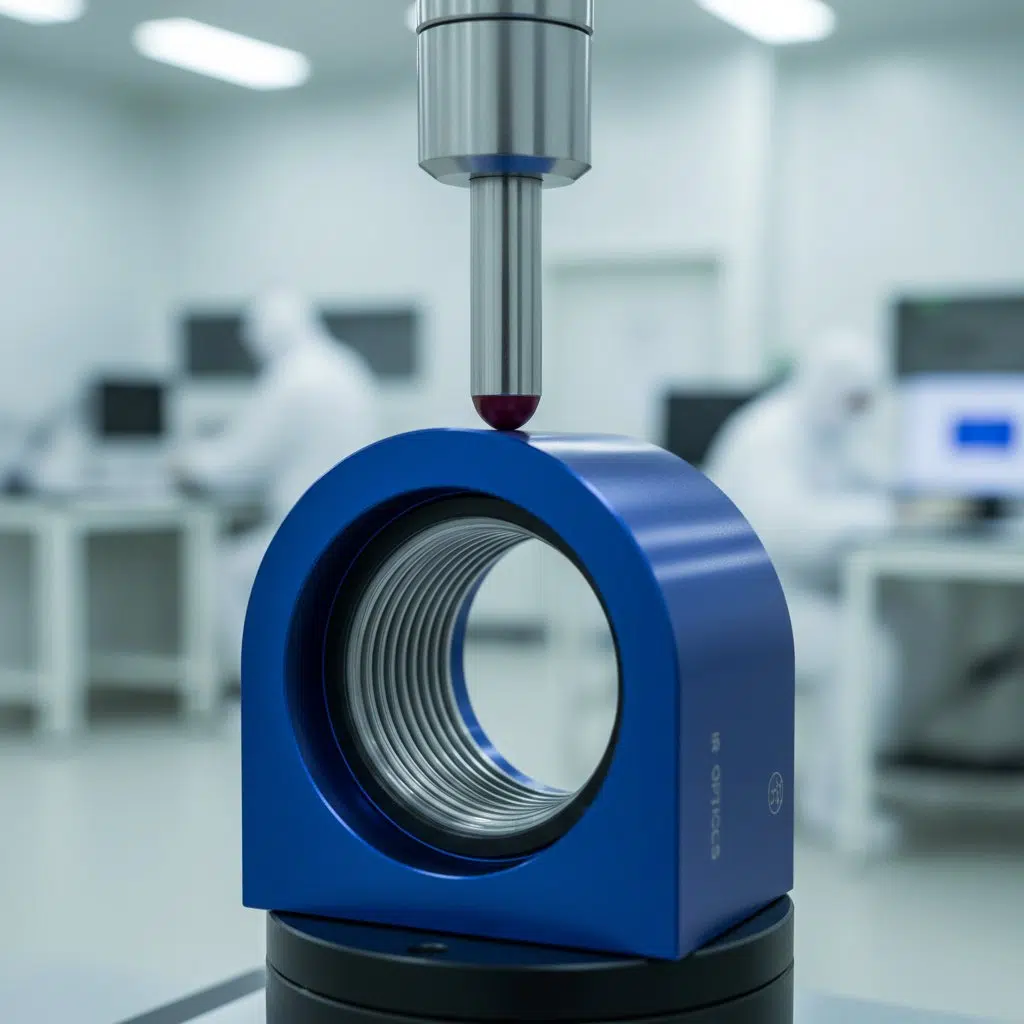
We employ advanced analytical techniques, including microscopy and coating thickness measurements, to diagnose the root cause of any finishing issue. Our problem-solving approach is systematic, ensuring quick resolution and preventing recurrence.
Why Partner with an Expert for Custom Aluminum CNC
Choosing the right partner for your custom aluminum CNC parts is as crucial as selecting the right material. At ly-machining, we combine unparalleled technical expertise with the benefits of being a direct source manufacturer. This delivers not just parts, but comprehensive solutions.
We believe in building long-term relationships based on trust, quality, and transparent communication. Our approach is designed to eliminate guesswork and ensure your project’s success from concept to final product.
Our deep technical expertise in Aluminum CNC Machining
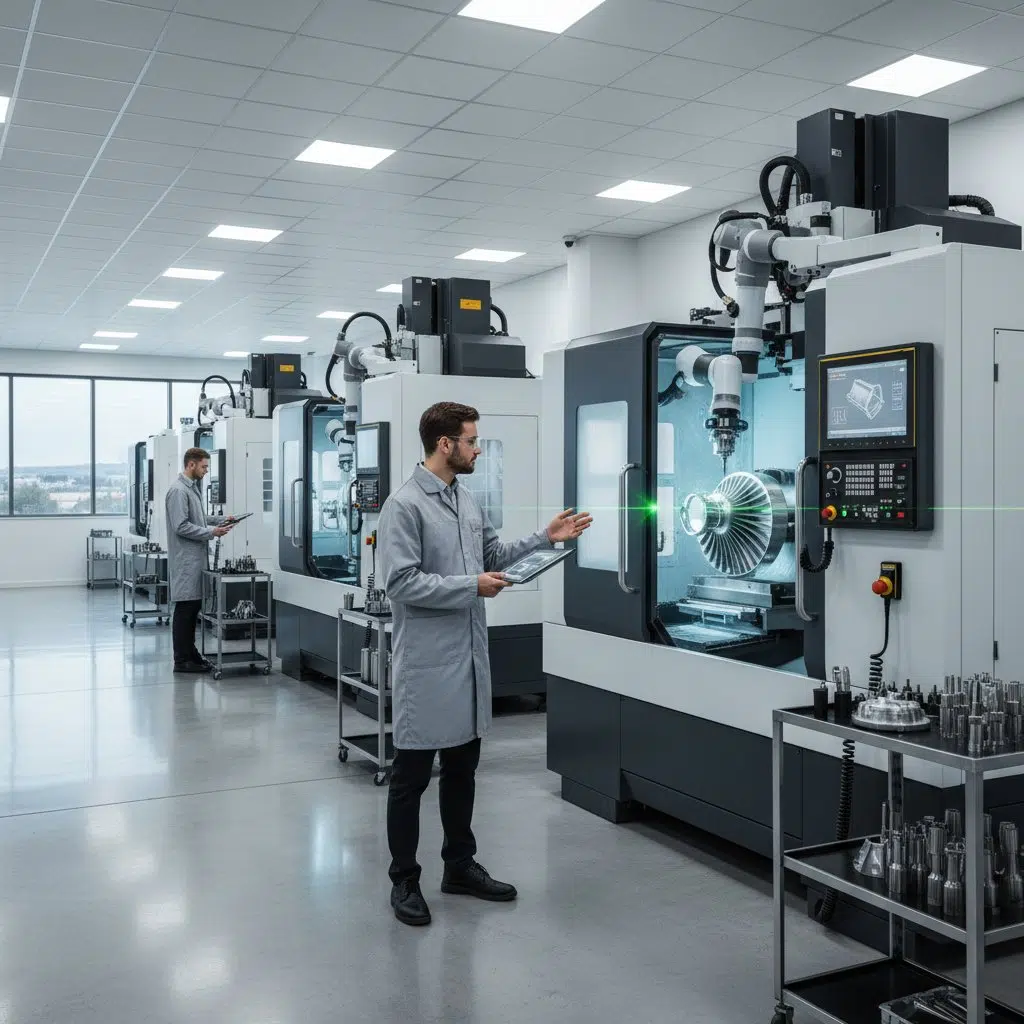
Our team of engineers and metallurgists possesses decades of collective experience in aluminum CNC machining and surface treatment. We stay at the forefront of industry advancements, continuously refining our processes and adopting new technologies.
This deep technical expertise allows us to offer insightful consultation, anticipate potential challenges, and provide innovative solutions tailored to your unique requirements. We are your technical extension.
Source manufacturer advantage for your Precision Aluminum Machining Services
As a source manufacturer, we control every stage of the production process, from raw material sourcing to final inspection. This integrated approach ensures seamless quality control, reduced lead times, and direct communication channels for your precision aluminum machining services.
You benefit from direct factory pricing and eliminate intermediary markups, guaranteeing transparent pricing without compromising on quality or service. This streamlined process delivers efficiency and value.

Transparent pricing for all your CNC machining projects
We believe in honesty and clarity when it comes to project costs. Our detailed quotes break down material, machining, and surface treatment costs, ensuring you understand exactly what you’re paying for. This transparent approach fosters trust for all your CNC machining projects.
There are no hidden fees or unexpected charges. Our commitment to transparent pricing reflects our confidence in the value and quality we deliver. You receive a clear, comprehensive cost analysis upfront.
Case Studies: Delivering quality Custom Aluminum CNC Parts
A client in the robotics industry faced persistent issues with the wear resistance of their manipulator arms, made from 6061 aluminum. Their previous supplier’s anodizing failed prematurely, causing costly field replacements and downtime. The original treatment did not meet the rigorous operational demands.
Upon partnering with us, our engineers recommended a specialized Type III hard anodizing process, precisely tailored to their application’s load and friction profiles. We implemented a multi-stage pre-treatment and a meticulously controlled anodizing bath. Our solution resulted in a significantly harder and more durable surface.
This extended the service life of their custom aluminum CNC parts by over 200%, drastically reducing warranty claims and improving overall product reliability. The client experienced substantial cost savings and enhanced their product’s reputation for robustness.

Get a free consultation for your Aluminum CNC Machining needs
Navigating the complexities of surface treatments for aluminum CNC machining doesn’t have to be a solo journey. Our team is ready to apply its deep expertise to your specific project challenges.
We invite you to reach out for a free, no-obligation technical consultation. Let us help you identify the optimal surface treatment that aligns with your performance, aesthetic, and budget requirements.
Ready to elevate your aluminum CNC parts with a perfectly executed surface finish? Don’t leave critical performance to chance. Contact our technical experts today for a free, no-obligation consultation and transparent quote. Let our deep expertise ensure your project’s success.
FAQ Section
What is the best surface treatment for corrosion resistance?
For superior corrosion resistance in custom aluminum CNC parts, Type III (hard) anodizing or chemical conversion coating are often recommended. Hard anodizing creates a thick, durable oxide layer, while chemical conversion coating offers excellent protection, especially as a primer for paint. The best choice depends on specific environmental factors and other required properties.
How does surface treatment affect dimensional tolerances?
Most surface treatments, such as anodizing or plating, add a layer of material to the aluminum CNC part, which will increase its dimensions. The extent of this increase depends on the specific treatment and its thickness. Our precision aluminum machining services account for this material buildup during the design and manufacturing phases to ensure final part tolerances are met.
Can different aluminum alloys be anodized to the same color?
Achieving precisely the same color on different aluminum alloys through anodizing can be challenging. Variations in alloy composition, especially the presence of alloying elements like copper or silicon, can affect how the anodic layer forms and absorbs dye. While similar shades are often possible, exact matches may require specific dye concentrations and careful process control.
 English
 German
 Turkish
 Spanish
 French