

Evaluate the Quality of the Service Provider
One of the biggest pain points in CNC machining is ensuring quality. You might think you’re getting a good deal, but if the craftsmanship is poor, it could cost you more in the long run. I remember helping a friend who chose a seemingly budget-friendly CNC service. Unfortunately, the parts they received were not to spec, and they ended up spending significantly more on rework. It’s crucial to get references or check online reviews for first-hand experiences with any service provider. Look for feedback about the quality of the materials used, as well as the precision of the machining.
Certifications Matter
Also, pay attention to certifications. A good CNC machining service should have certifications that demonstrate their adherence to industry standards. Whether it’s ISO 9001 or specific compliance for your industry sector, these certifications indicate that the provider has quality control measures in place. You want to be certain the components you’re receiving are built to last.
Technology and Equipment
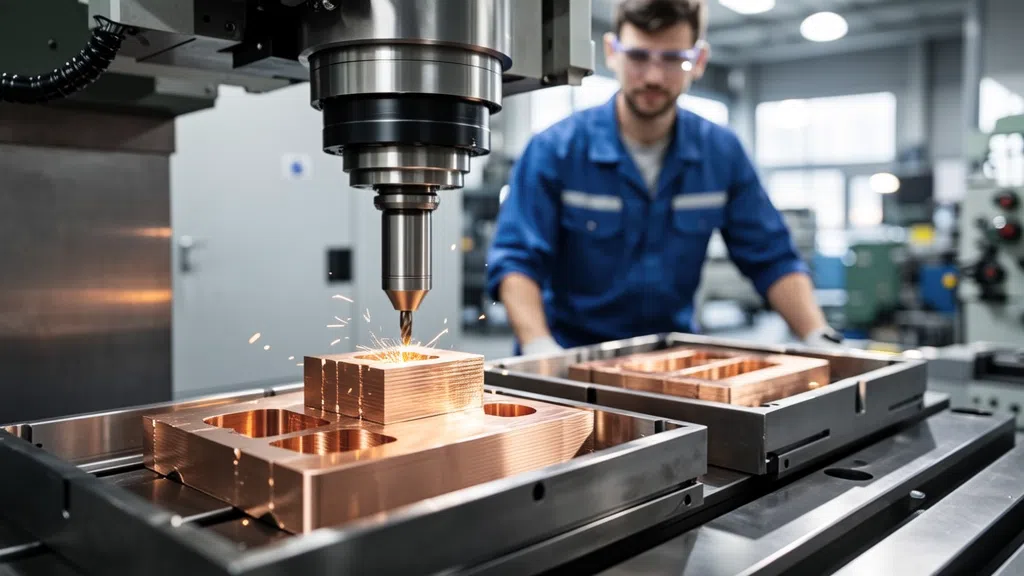
Don’t forget to look at the technology and equipment used by the factory. Advanced machinery allows for better precision and efficiency. If they’re still using outdated equipment, it could result in longer lead times and possibly lower quality outputs. For instance, I once worked with a facility that had just upgraded its CNC lathe, and it made a significant difference in turnaround times while improving accuracy.
Customer Support and Communication
Another important consideration is the level of customer support and communication you can expect from the CNC service provider. You want to choose a company that will keep you updated on your order’s status and be responsive to your inquiries. I once encountered a supplier that was slow in response times. This not only delayed my project but also left me feeling in the dark about crucial updates. Clear communication saves you time and frustration, making the process smooth and efficient.
Requesting Quotes
When you request quotes, ensure that they are detailed. A good supplier will provide a breakdown of all costs involved, including material, labor, and any additional fees. This transparency will help you avoid any unpleasant surprises down the line. In my experience, when I see vague quotes, it’s usually a red flag. I prefer to work with companies that are open about their pricing structure.
Flexibility
Lastly, consider the provider’s flexibility in meeting your needs. Are they willing to adapt to your specific requirements? During one project, I needed a specific material and tolerance that wasn’t standard for the provider I initially approached. The ability to pivot and accommodate custom requests can be instrumental. Look for a company like ly-machining that can meet your unique project needs, even if they require some adjustments along the way.
Navigating the CNC machining landscape in Shenzhen doesn’t have to be overwhelming. With these factors in mind, you can make a more informed decision that will lead to successful outcomes in your projects. If you’ve tried any other methods or have questions, feel free to share your experiences!
What should I look for to assess the quality of a CNC service provider?
When evaluating a CNC service provider, checking their craftsmanship is key. Look for reviews or testimonials from customers to see if they deliver high-quality parts consistently. I once helped a friend who learned this the hard way—they chose a cheaper option and ended up with parts that needed rework, which was way more costly.
It’s also beneficial to ask for samples or past work examples. That way, you can judge their precision and quality directly before making any commitments.
How important is customer support when choosing a CNC service?
Customer support is super important! From my experience, a responsive and helpful support team can make a big difference throughout the machining process. If you have questions or need updates on your project, being able to reach someone quickly can save you a lot of frustration.
A friend of mine once had issues with a supplier that was slow to respond, and it really set their project back. Look for a provider who values communication and offers updates regularly.
Are certifications necessary for CNC service providers?
Yes, certifications are really important. They show that the provider adheres to industry standards for quality and safety. Look for certifications like ISO 9001, which indicate that they have quality control processes in place.
In my experience, working with certified providers often leads to better results. One time, I chose a company without proper certification, and the inconsistencies in quality were pretty evident.
What types of technology should a good CNC service use?
The technology and equipment a CNC service uses can greatly affect the accuracy and efficiency of your project. Advanced machines can provide better precision and help reduce production time.
I recall working with a company that had recent upgrades to their CNC equipment, and the improvement in turnaround times was noticeable. It’s worth asking about their machinery before committing.
How can I ensure I get a clear quote from a CNC service?
When requesting a quote, ask for a detailed breakdown of all expenses involved. The more transparent they are about their pricing, the better. You want to know about material costs, labor, and any additional fees upfront.
In my experience, vague quotes often lead to surprises down the line. I usually prefer working with companies that give clear, itemized estimates so I can budget accordingly.

 English
 German
 Turkish
 Spanish
 French