

You’ll discover how CNC machining can streamline workflows and shorten production times, allowing companies to respond faster to market demands. Moreover, we’ll explore the flexibility of CNC machines to handle a variety of materials and complex designs, making them suitable for diverse industries from automotive to aerospace.
Additionally, we will highlight the cost-effectiveness of investing in precision CNC technology, emphasizing the long-term savings that can be realized through decreased labor costs and minimized errors. Whether you’re a manufacturer aiming to enhance your capabilities or an engineer looking to stay ahead in your field, understanding the advantages of CNC machining is crucial.
Join us as we uncover these benefits and provide insights on how embracing precision CNC machining can empower your business to thrive in the competitive landscape of 2025 and beyond.
What are the key advantages of precision CNC machining for 2025?
When thinking about advancements in manufacturing for 2025, precision CNC machining stands out as a game-changer. Have you ever struggled with getting consistent results in your projects? I know I have. It can be frustrating when your prototypes don’t match your designs, leading to costly mistakes and delays. However, CNC machining offers a solution that not only enhances accuracy but also streamlines the entire manufacturing process.
Enhanced Accuracy and Consistency
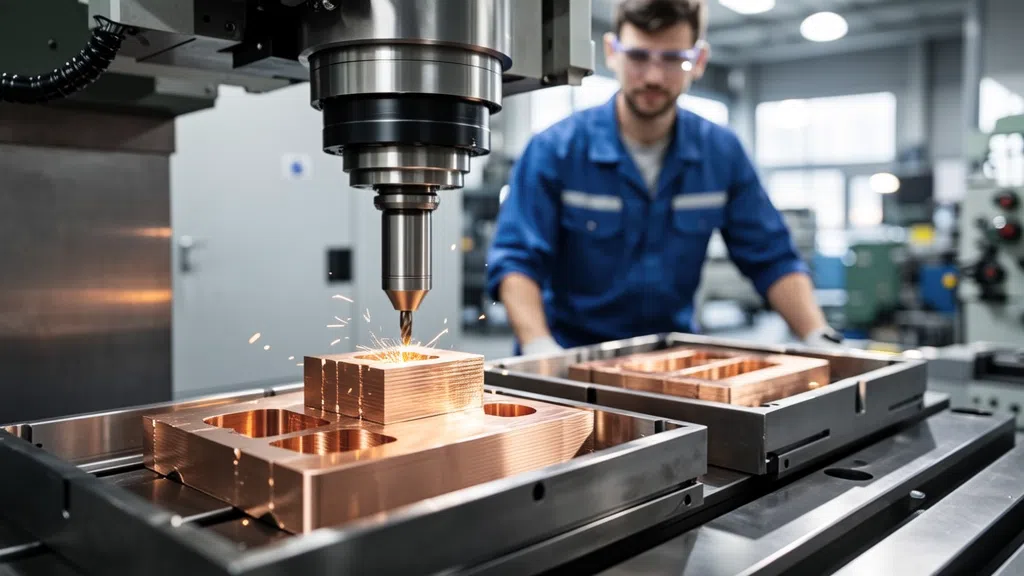
One of the standout features of CNC machining is its ability to deliver precision that manual methods simply can’t match. Imagine trying to create multiple identical parts by hand. It’s tough, right? I remember when I was working on a project with a friend where we had to produce several components. We ended up with different sizes and shapes due to manual inconsistencies. It not only wasted time but caused significant headaches. With CNC machines, you enter the specifications, and the machine does the rest consistently. This means that parts are accurate to the micron, minimizing errors and ensuring that each piece fits perfectly in place.
Moreover, CNC machining reduces the human element in manufacturing errors. According to the National Association of Manufacturers (NAM), CNC technology can improve quality control by eliminating the variances caused by human hands. This increased consistency means fewer reworks and lower scrap rates, saving both time and resources in the long run.
Improved Efficiency and Speed
CNC machining also shines when it comes to efficiency. With traditional manufacturing, processes can be slow and labor-intensive. But with CNC, you can produce parts much more quickly, allowing for rapid prototyping. I had a client who needed rapid production of parts for a new product launch. Using CNC machining, we reduced lead times from weeks to just a few days. Equipment can run continuously, which means that businesses can crank out products faster, significantly increasing output.

Additionally, CNC machines often integrate with CAD/CAM software, allowing for seamless design-to-production transitions. This means that any changes in design can easily be adapted and executed in the production line without starting from scratch. By streamlining workflows, CNC machining positions businesses to respond quickly to market demands, which is particularly crucial for industries that often evolve rapidly.
Versatility Across Materials
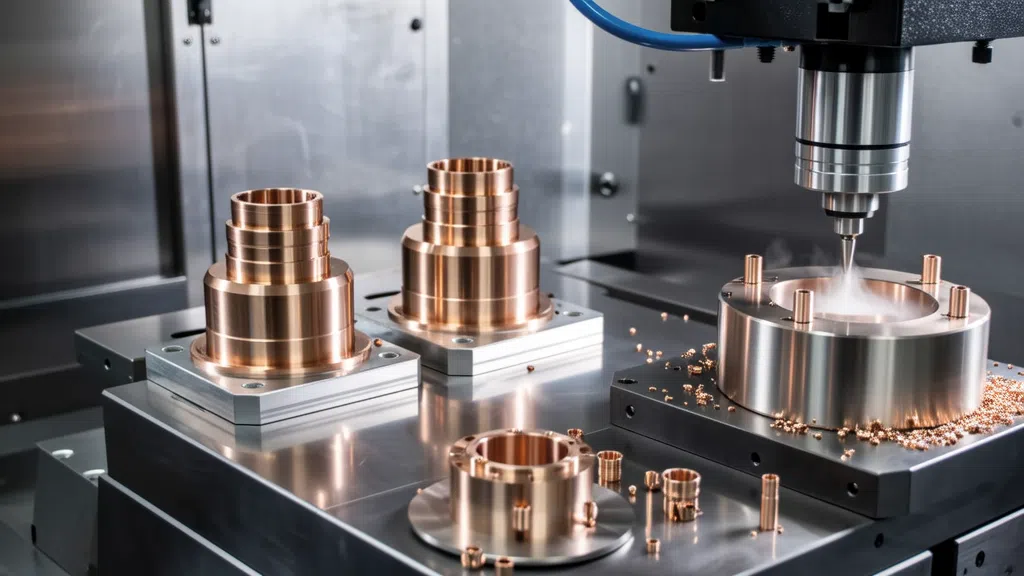
Another big advantage of precision CNC machining is its versatility. Whether you’re working with soft metals like aluminum or harder materials like titanium, CNC machines can handle it all. I know a few friends in the automotive sector who switched to CNC machining because of its ability to work with different materials while still achieving the desired precision.
CNC machines can be equipped with multiple tools, allowing for various operations like drilling, milling, and turning to be done on the same part. You can switch seamlessly between operations, which traditionally would require multiple machines and setups. This flexibility can significantly reduce production costs and time—a win-win situation for any manufacturer looking to improve their bottom line.
Conclusion (For Internal Use)
While the discussion about precision CNC machining doesn’t end here, we’ve already covered some of the key advantages that make it an invaluable asset for businesses looking to stay competitive in
By embracing these advancements, you and your organization can significantly improve your manufacturing processes, setting the stage for success in the years to come.
What is precision CNC machining and why is it important?
Precision CNC machining refers to the use of computer-controlled machines to create parts with incredibly high levels of accuracy. Its importance lies in its ability to produce complex designs reliably and consistently, which is crucial for industries that require precision engineering.

As we look to 2025, the demand for precision in manufacturing is only going to grow. Companies that adopt CNC machining will likely gain a competitive edge due to the improved quality and speed of their production processes.
How does CNC machining improve accuracy and consistency?
CNC machining enhances accuracy and consistency by using automated systems that minimize the risk of human error. This means you get identical parts every time, which is vital for projects where precision is key.
In traditional methods, slight variations can occur, but with CNC technology, parts are produced to the micron. This not only leads to better fitting components but also significantly reduces the need for costly rework.
Why is speed important in CNC machining?
Speed is crucial in CNC machining because it enables manufacturers to meet tight deadlines and respond quickly to market changes. CNC machines can operate continuously, allowing for faster production without sacrificing quality.
I’ve seen projects go from a weeks-long process to just a few days thanks to CNC technology, which is a game-changer when time is of the essence.
Can CNC machines work with various materials?
Absolutely! One of the key advantages of CNC machining is its versatility. CNC machines can handle a wide range of materials, from soft metals like aluminum to harder materials like titanium.
This flexibility means that businesses can use a single machine for multiple applications, reducing the need for various setups and minimizing costs while still achieving the desired precision.
What are some cost advantages of using CNC machining?
Using CNC machining can lead to long-term savings in manufacturing costs. By increasing the efficiency and speed of production, you can reduce labor costs and decrease material waste.
Additionally, the consistent quality means that fewer resources are spent on rework, making it a smart financial investment for manufacturers looking to maximize their profitability.

 English
 German
 Turkish
 Spanish
 French