

Electronics Industry
The electronics sector is arguably one of the largest consumers of CNC machined aluminum enclosures. Think about it—devices like smartphones, laptops, and televisions all require durable, lightweight, and precise enclosures to protect sensitive components. I’ve worked with companies that produce consumer electronics, and many of them rely on high-quality aluminum enclosures to minimize weight while maximizing strength. This has been especially important as devices become slimmer and more portable.
Notably, manufacturers often turn to CNC machining because it allows for intricate designs that require tight tolerances. For instance, I helped a friend who was creating a new line of audio equipment. We produced enclosures using CNC machining, which not only improved the aesthetics but also enhanced thermal management. According to a report by McKinsey, precision manufacturing is a cornerstone of the electronics supply chain, making CNC machining vital for companies aiming to stay competitive.
Automotive Industry
Shifting gears to the automotive industry, CNC machining is making waves here too. You may not realize it, but aluminum enclosures are becoming increasingly common in car manufacturing. They are used for everything from engine components to electronic control units. I’ve seen firsthand how automakers are incorporating these materials to achieve better fuel efficiency and reduce overall vehicle weight.
For example, one of our clients was developing an electric vehicle and needed lightweight enclosures for battery management systems. We utilized CNC machining to create custom solutions, enabling the client to keep weight down while ensuring the durability needed for automotive applications. The Society of Automotive Engineers has noted that switching to lighter materials, including aluminum, is essential for meeting future emissions regulations, hence the uptick in demand for CNC machining services.
Aerospace Industry
The aerospace sector is another significant player in the CNC machining game. Enclosures for avionics and other critical components must meet strict safety and reliability standards. Given my experience in machining, I can attest to the level of precision required. Some CNC machines are capable of tolerances as tight as ±0.001 inches, which is crucial in the aviation industry.
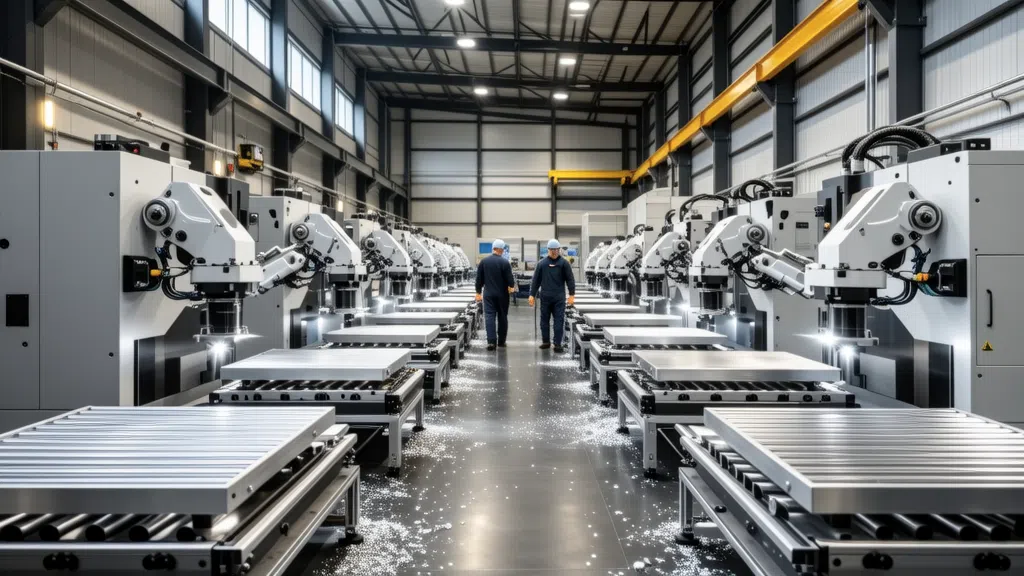
For instance, I previously collaborated with an aerospace manufacturer providing aluminum enclosures for GPS systems installed in aircraft. The complexity and requirements of aerospace certifications necessitate precise machining that CNC can easily handle. Additionally, the vast capabilities offered by CNC machining, such as multi-axis cutting, make it easier to create complex geometries that would be impossible with traditional methods. According to the Aerospace Industries Association, the demand for such technology is projected to grow as safety and reliability in aviation continue to evolve.
Telecommunications Industry
Moreover, the telecommunications industry has started adopting CNC machined aluminum enclosures for various equipment, including routers, switches, and base stations. Given the rapid growth of 5G technology, there’s a booming demand for efficient and rugged enclosures to house telecom gear. I recall working with a telecom client who was racing against time to deploy their new infrastructure. The use of CNC machining allowed us to produce high quantities of enclosures quickly without compromising quality.
With the insights from these industries, it’s evident that CNC machining for aluminum enclosures is pivotal for operations across diverse fields. Whether it’s electronics, automotive, aerospace, or telecommunications, the precision and flexibility provided by CNC machining enhance product design and integrity, bringing significant benefits to businesses navigating today’s competitive landscape.
Feel free to reach out if these insights resonate with you, especially if you’re considering aluminum enclosures for your own projects!
What types of products in the electronics industry benefit from CNC machining of aluminum enclosures?
Devices like smartphones, laptops, and televisions are prime examples of products that benefit greatly from CNC machined aluminum enclosures. These enclosures help protect sensitive components while ensuring durability and lightweight performance.
In fact, I’ve worked with companies in the electronics sector who prioritize aluminum enclosures to enhance the aesthetics and functionality of their devices, especially as consumers demand sleeker and more portable options.
Why is CNC machining important for the automotive industry?
CNC machining plays a critical role in the automotive industry due to the need for precision components. Aluminum enclosures are commonly used in parts like engine components and electronic control units, helping to reduce vehicle weight and improve fuel efficiency.
I’ve seen automakers utilize CNC machining for custom parts, which can be crucial for meeting stringent safety standards and regulatory requirements in the automotive market.
How does the aerospace industry utilize CNC machined aluminum enclosures?
The aerospace industry often requires aluminum enclosures for critical components such as avionics systems, which need to meet high safety and reliability standards. The precision capabilities of CNC machining ensure that parts have tolerances as tight as ±0.001 inches, which is essential for safety in aviation.
In one case, I worked on a project supplying enclosures for a GPS system in aircraft, and the specifications were so strict that only CNC machining could deliver the needed quality and precision.
What are the applications of CNC machined enclosures in telecommunications?
CNC machined aluminum enclosures are increasingly utilized in the telecommunications industry for housing equipment like routers, switches, and base stations. As 5G technology rolls out, the need for robust and efficient enclosures has grown significantly.
I remember collaborating with a telecom provider a while back who needed rapid deployment of new infrastructure; CNC machining allowed us to produce high-quality enclosures in a fraction of the time compared to traditional methods.

 English
 German
 Turkish
 Spanish
 French