

So let’s dive in: how can startups effectively partner with steel CNC machining manufacturers in 2025?
Choosing the Right CNC Machining Partner
First off, you want to ensure that the manufacturer you pick aligns with your startup’s goals. I recommend looking for a company with a robust portfolio and proven track record in working with startups like yours. Have they worked on similar projects? Do they have references you can check? The idea here is to gather insights from previous clients about their experiences. A manufacturer that values communication is critical; you want to work with someone who will keep you updated at every stage of the process.
I remember a time when I was helping a friend, who was launching a tech startup, look for a machining partner. He initially opted for a larger firm, thinking they had more resources. However, he found their communication lacking, which led to significant delays in his project. Eventually, he pivoted to a smaller manufacturer who was more agile and dedicated, resulting in smoother collaboration. That’s the kind of turnaround that can save a startup!
Evaluating Manufacturing Capabilities
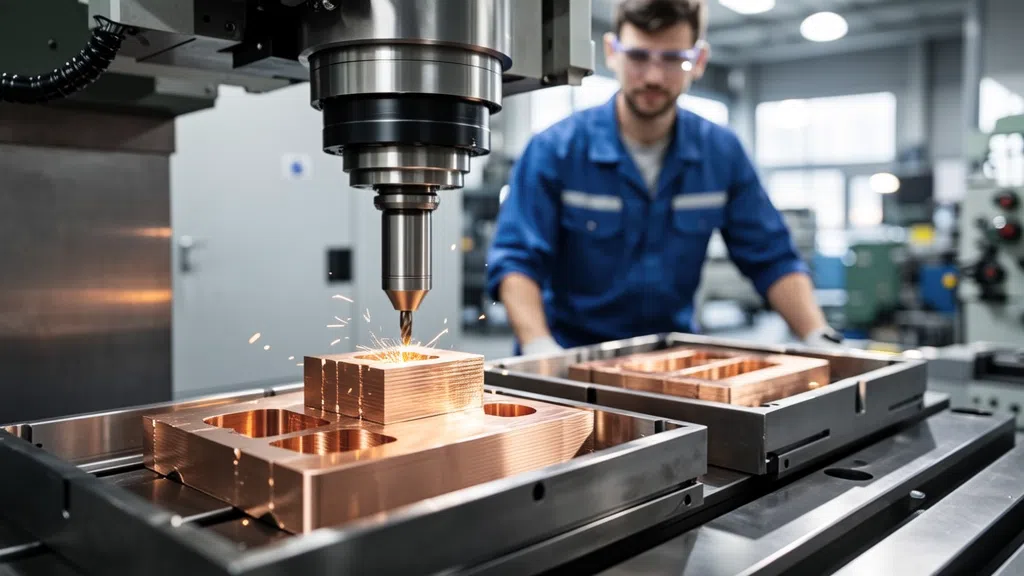
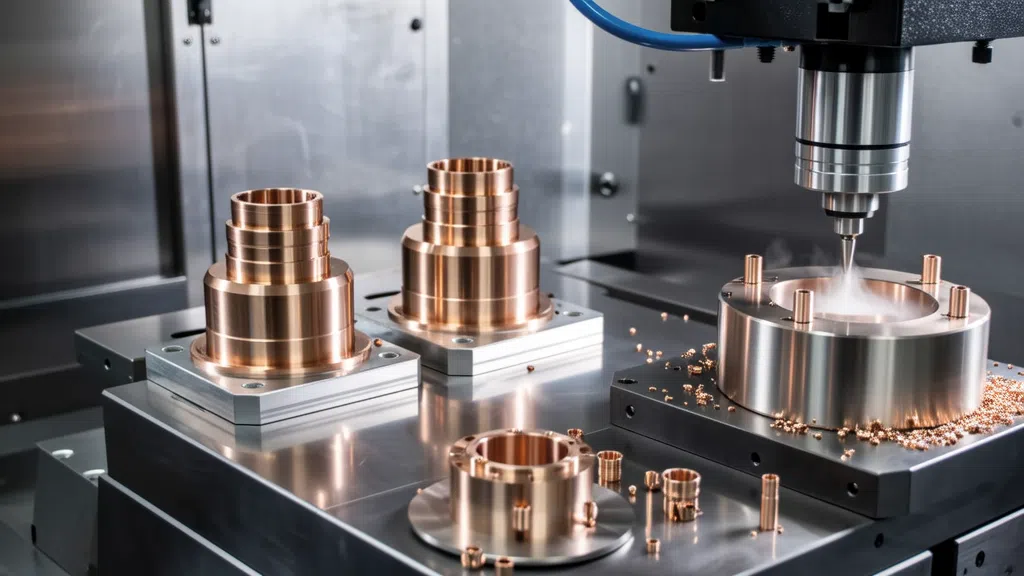
Next, you need to confirm that the manufacturer has the capabilities to fulfill your requirements. Don’t shy away from asking tough questions. What types of materials do they work with? What machining processes do they specialize in? It’s essential to understand their technology and innovations. A good CNC machine shop will be equipped with the latest machinery to handle complex jobs, which can be a game-changer for your startup.
I highly advise visiting their facility, if possible. It’s one thing to hear about capabilities over the phone, but seeing the equipment in action gives you way more confidence. Pay attention to their production workflows and quality assurance measures. It’s vital that they maintain high standards, especially since quality issues can be expensive for your startup in terms of rework and lost time.
Understanding Costs and Contracts
When it comes to partnership, clarity around costs is crucial. I can’t stress enough the importance of discussing pricing models upfront. Are you looking at fixed pricing, or are they using a time-and-materials approach? Understanding this will save you from budgeting surprises down the line.
Additionally, reading through the contract with a fine-tooth comb is non-negotiable. You need to know what happens if delays occur, how to handle dispute resolutions, and what happens in the case of unforeseen challenges. A friend of mine once faced a significant loss because he assumed all terms were standard and overlooked a clause regarding material sourcing. He ended up paying more because the supplier couldn’t deliver on time.

Risk Mitigation Strategies
Partnerships inherently come with risks, especially when dealing with manufacturing processes. To mitigate potential risks, I suggest having clear milestones and deliverables outlined in your contract. This way, both parties have a shared understanding of expectations.
I’ve also seen startups benefit immensely from establishing open lines of communication. Regular check-ins with your machining partner will make sure what you’re working on aligns with your quality and timeline expectations. If you face any challenges, tackle them together early on instead of waiting for issues to snowball.
Building a Long-Term Relationship
Finally, think long-term. A successful partnership can evolve into a strategic alliance where both parties gain from the relationship. Regular feedback sessions can help improve future projects. Remember, it’s all about collaboration. I’ve seen startups shift from client-vendor relationships to strong partnerships that lead to more innovative solutions.
At the end of the day, if you approach partnering with steel CNC machining manufacturers with clarity, informed questions, and an open mind, you’ll increase your chances of finding allies that can support your startup’s growth journey.
| Key Criteria | Details | Importance | Example | Risks |
|---|---|---|---|---|
| Manufacturing Capabilities | Technological resources, expertise in materials | Ensures that your needs are met effectively | Experience with steel machining processes | Poor quality output, delayed delivery |
| Cost Transparency | Upfront understanding of pricing models | Helps prevent budget overruns | Fixed or variable pricing | Unexpected additional costs |
| Open Communication | Regular updates and feedback | Facilitates problem-solving | Weekly check-ins | Misalignment on project goals |
What should startups look for in a CNC machining partner?
Startups should prioritize a manufacturer’s portfolio and track record, especially with companies that have experience in similar projects. Checking references is crucial to get insights into the manufacturer’s reliability and workmanship.
It’s also beneficial to find a partner who understands the startup environment and can adapt to evolving needs, ensuring alignment with your business goals.

How can startups evaluate the capabilities of a CNC machining manufacturer?
One effective method is to visit the manufacturer’s facility if possible. Observing their machinery and processes firsthand can provide assurance that they have the technology to meet your specifications.
Understanding their expertise in materials and their approach to quality control is equally important, as these factors can significantly impact the final product’s reliability.
What costs should startups be aware of when partnering with a CNC machining shop?
Startups should clarify whether the machining shop uses fixed pricing or a time-and-materials approach before starting a project. Discussing potential costs upfront can help prevent budget surprises later on.
Additionally, startups should read contracts carefully to understand any hidden fees or potential penalties related to timelines or material sourcing.
How can startups mitigate risks in their partnerships with CNC manufacturers?
To minimize risks, establishing clear milestones and deliverables in the partnership agreement is essential. This keeps both parties accountable and on the same page regarding progress and expectations.
Regular communication plays a crucial role as well; having routine check-ins can facilitate quick resolutions to any potential issues that may arise.
What are the benefits of building a long-term relationship with a CNC machining partner?
A long-term relationship with a CNC machining partner can lead to better collaboration, improved quality, and innovative solutions that grow alongside your startup.
Ongoing feedback can foster continuous improvement, making the partnership more valuable as both businesses evolve over time.

 English
 German
 Turkish
 Spanish
 French