


Precision Micro-CNC for Optical Lens Barrels
Quick Solution: ly-machining provides ultra-precision micro-CNC machining services, delivering high-quality optical lens barrels and complex components with exacting tolerances for demanding applications.
In the intricate world of optics, achieving the sub-micron precision your designs demand is not merely an advantage; it is a fundamental necessity. The performance of entire optical systems hinges on the flawless execution of every single component.
This critical requirement often poses significant manufacturing challenges, especially for miniature and complex optical lens barrels. Slight deviations can lead to degraded image quality, aberrant light paths, and compromised overall system functionality.
This article delves into how advanced micro-CNC machining is redefining optical component quality. We will explore the demanding precision involved, the ideal material choices, and how ly-machining’s expertise as a leading CNC machining manufacturer of parts addresses these unique challenges.

Unlocking Optical Precision with Micro CNC
Micro-CNC’s Impact on Optical Part Quality
Micro-CNC machining revolutionizes the manufacturing of optical components by enabling unprecedented levels of precision. It allows for the creation of complex geometries and features that are impossible with conventional machining methods.
This advanced capability ensures that critical features like internal light baffles, precise thread profiles, and mounting surfaces are machined with extreme accuracy. The resulting parts directly contribute to superior optical performance and easier assembly.
In ly-machining’s experience, the ability to consistently hold tight tolerances across all axes is paramount. This directly translates to reduced optical aberrations, improved image resolution, and reliable system integration for our clients.
Tolerances & Finishes in Precision CNC Manufacturing
Achieving the stringent tolerances required for optical components demands specialized equipment and deep expertise. Typical requirements include concentricity, perpendicularity, and parallelism measured in single-digit microns.
Surface finishes are equally critical, often requiring Ra values below 0.4 µm, or even finer, especially on light path surfaces or sealing interfaces. These finishes prevent light scattering and ensure proper sealing or smooth motion.
ly-machining employs multi-axis micro-CNC machines capable of executing these demands. Our comprehensive quality control protocols, including in-process measurements, verify every critical dimension and surface finish.
| Critical Geometric Tolerances for Optical Parts |
|---|
| Concentricity: ±2 µm |
| Perpendicularity: ±2 µm |
| Parallelism: ±3 µm |
| Runout (TIR): ±5 µm |
| Typical Surface Finishes (Ra) for Optical Applications |
|---|
| Internal Light Paths: < 0.4 µm |
| Sealing Surfaces: < 0.8 µm |
| Mounting Features: < 1.6 µm |

Materials Suited for Optical CNC Machining Services
The choice of material significantly impacts the performance and stability of optical components. ly-machining guides clients through selecting materials that meet specific thermal, mechanical, and optical requirements.
Common materials include various grades of aluminum, such as 6061-T6 for its machinability and stability, and 7075 for higher strength. Titanium alloys are also used for their high strength-to-weight ratio and corrosion resistance.
For extreme thermal stability, Invar and Super Invar are often chosen due to their low coefficients of thermal expansion. Specialized plastics are also considered for lightweight or specific optical transmission applications.
The Demand for Optical Lens Barrel Excellence
Key Challenges in Custom Optical Lens Barrels
Manufacturing custom optical lens barrels presents a unique set of challenges beyond standard CNC machining. These include managing tight tolerances on intricate internal features, such as thread classes and light baffling structures.
Precision in concentricity and runout is absolutely vital to ensure lenses align perfectly and maintain their optical axis. Any deviation can lead to spherical aberration, coma, or astigmatism, compromising system performance.
Another common issue ly-machining sees is the need for specialized surface treatments, like highly uniform black anodization, crucial for minimizing stray light and enhancing contrast within the optical path.

Essential Features of High-Performance Lens Barrels
High-performance optical lens barrels are engineered with features that directly contribute to superior optical system integrity. These include precisely machined interfaces for lens mounting, often with ultra-fine threads.
Internal geometries are carefully designed for light management, incorporating intricate baffles and anti-reflection surfaces to eliminate stray light. ly-machining understands that these features are not cosmetic but functional.
The structural integrity and thermal stability of the barrel material also play a crucial role. This ensures the optical elements remain precisely aligned across varying environmental conditions, maintaining system performance.
DFM for Optimal Optical CNC Machining
Design for Manufacturability (DFM) is a critical step in the development of optical components. ly-machining collaborates closely with clients during the design phase to optimize parts for efficient and precise micro-CNC production.
This proactive approach helps identify potential manufacturing challenges early, suggesting design modifications that can improve machinability, reduce costs, and enhance final part quality without compromising optical performance.
In ly-machining’s experience, early DFM input can drastically reduce prototyping iterations. This accelerates time-to-market and ensures that the final design is both optically superb and economically viable for high-volume CNC manufacturing.

Selecting a Micro CNC Machining Manufacturer
Criteria for Precision CNC Manufacturing Companies
When choosing precision CNC manufacturing companies for optical components, several critical factors must be considered. Foremost is the manufacturer’s proven ability to achieve and consistently maintain sub-micron tolerances.
Technical expertise in specific optical materials and their machining characteristics is also vital. This includes understanding how different alloys respond to cutting, thermal changes, and surface finishing processes.
Furthermore, a robust quality management system (e.g., ISO 9001, AS9100 for aerospace optics) and advanced metrology capabilities are non-negotiable for verifying critical dimensions and surface specifications.
Advantages of Source CNC Machining Manufacturers of Parts
Partnering directly with source CNC machining manufacturers of parts, like ly-machining, offers significant advantages. It ensures direct communication with the engineering and production teams, streamlining processes.
Working with a source manufacturer eliminates intermediaries, often leading to more transparent pricing and faster lead times. It also fosters a deeper, more collaborative relationship, crucial for complex optical projects.
ly-machining’s status as a source manufacturer means clients benefit from our comprehensive control over the entire production process. This includes material sourcing, machining, finishing, and stringent quality assurance.
Evaluating Technical Expertise in CNC Machining
Evaluating a manufacturer’s technical expertise in CNC machining involves more than just machine lists. It requires assessing their engineering team’s depth of knowledge in optical physics and precision mechanics.
Look for a custom CNC parts manufacturer who offers DFM services and can provide insightful feedback on your designs. Their ability to troubleshoot complex issues and propose innovative solutions is a strong indicator of expertise.
ly-machining’s team comprises seasoned engineers with extensive experience in optical component manufacturing. ly-machining proactively provides technical consultation, ensuring the success of challenging projects from conception to completion.

Our Edge in Precision Optical CNC Machining
Our Expertise as a Custom CNC Parts Manufacturer
As a custom CNC parts manufacturer, ly-machining specializes in delivering bespoke solutions for the most demanding optical applications. Our expertise is built on years of hands-on experience with diverse projects, from aerospace to medical devices.
ly-machining prides itself on transforming intricate optical designs into tangible, high-performance components. Our engineering team acts as an extension of your R&D, offering valuable insights and precision manufacturing prowess.
This dedication to specialized, custom work sets ly-machining apart. It ensures that every component receives the focused attention and technical skill required to meet and exceed optical performance expectations.

Guaranteeing High-Quality CNC Machining Services
ly-machining’s commitment to high-quality CNC machining services is unwavering. Our quality management system adheres to ISO 9001 standards, with processes specifically tailored for optical precision components.
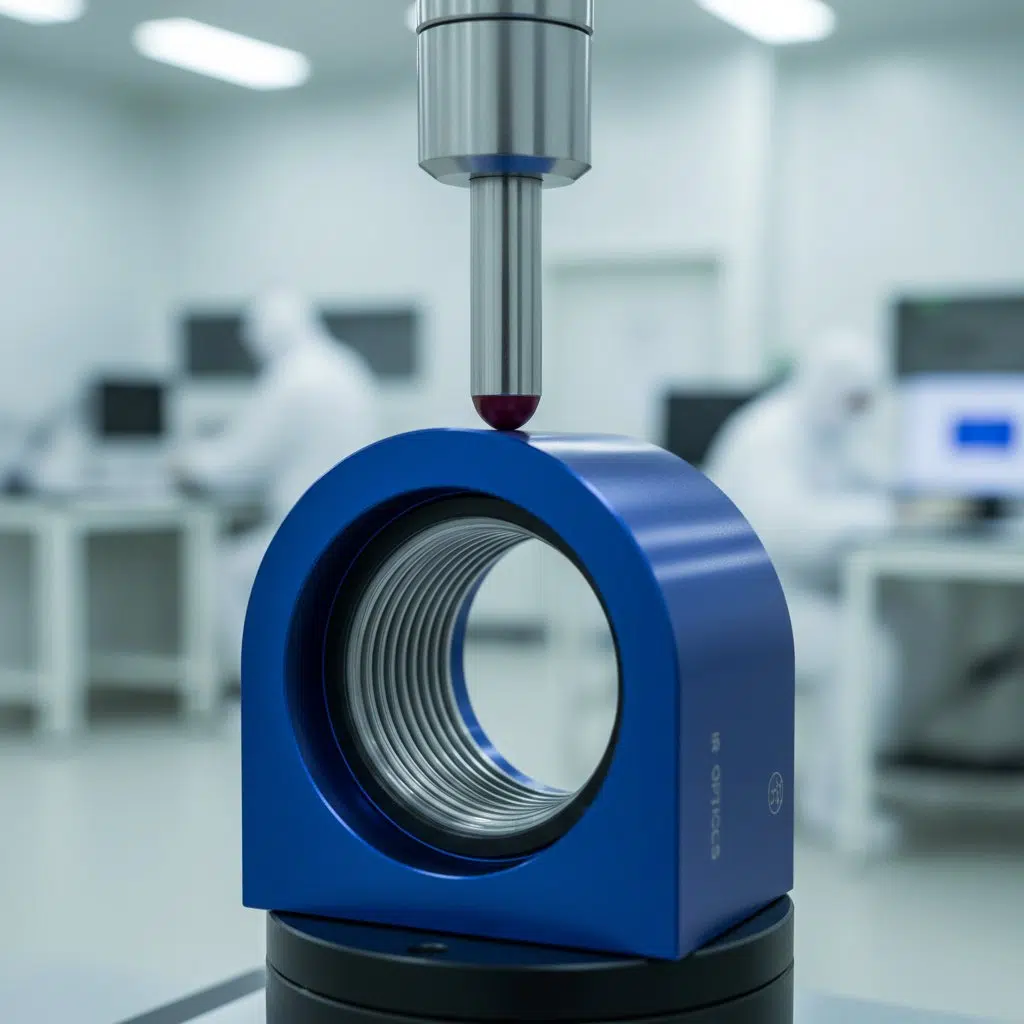
Every part undergoes rigorous inspection using advanced metrology equipment, including CMMs with optical probes and profilometers. This ensures that all critical dimensions, geometric tolerances, and surface finishes are meticulously verified.
In ly-machining’s manufacturing facility, traceability is also paramount. ly-machining maintains full documentation from raw material to final inspection, providing complete transparency and confidence in every component supplied.

Transparent Pricing for Your CNC Machining Needs
ly-machining understands that budget clarity is as important as technical precision. ly-machining offers transparent pricing for all our CNC machining needs, ensuring no hidden costs or unexpected escalations.
Our quoting process is thorough and detailed, breaking down costs associated with materials, machining time, tooling, special finishes, and quality control. This allows for informed decision-making and better project planning.
This commitment to transparency builds trust and fosters long-term partnerships. ly-machining believes that clear communication about pricing is fundamental to delivering value alongside exceptional quality.
Advanced Micro-CNC Capabilities for Optics
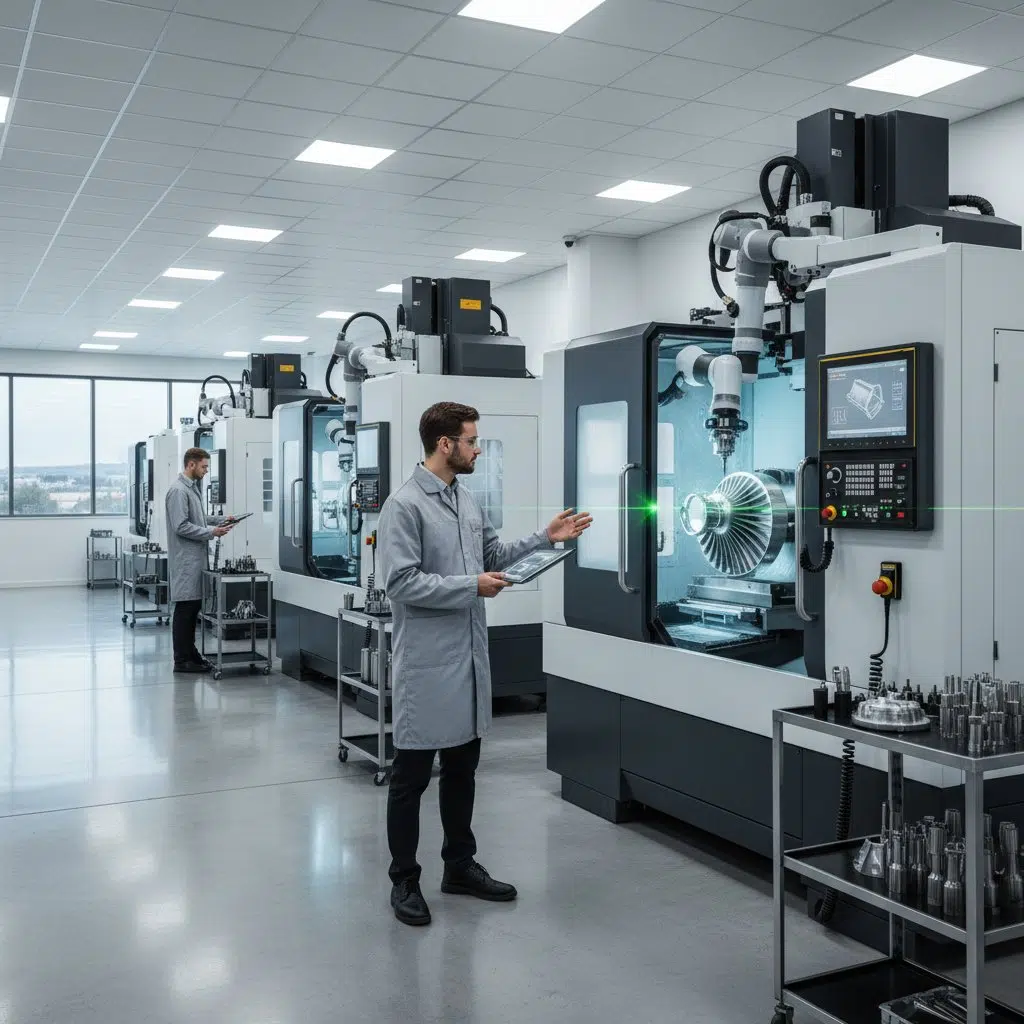
ly-machining’s facility is equipped with a suite of advanced multi-axis micro-CNC machines, specifically chosen for their ability to achieve extreme precision on small, complex optical parts. These machines excel in intricate feature creation.
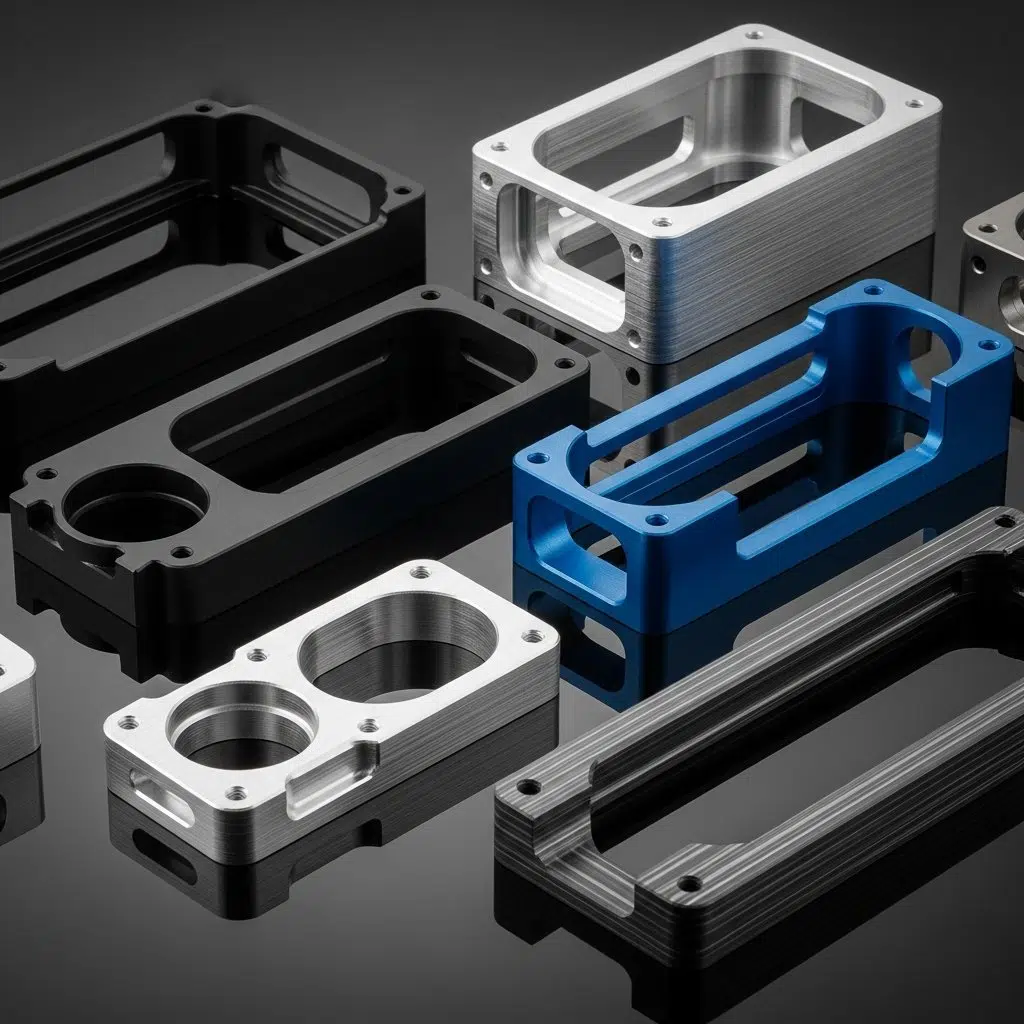
Our capabilities extend to ultra-fine milling, turning, and engraving, allowing for the creation of precise optical mounts, lens cells, and complex sensor housings. We manage material removal at micron levels, minimizing stress and maintaining integrity.
Furthermore, ly-machining invests in continuous training for our machinists and engineers. This ensures they are proficient in the latest micro-machining techniques and software, pushing the boundaries of what is possible in precision CNC manufacturing.

Partnering for Your Optical Project’s Success
Streamlined Process for Your CNC Machining Project
ly-machining has developed a streamlined process to ensure efficient and successful execution of your CNC machining project. It begins with a detailed technical consultation and DFM review to optimize your design.
This is followed by precise quotation, efficient prototyping, and rigorous testing. Once validated, ly-machining scales to production, maintaining consistent quality through continuous in-process control and final inspection.
ly-machining’s project management ensures clear communication and on-time delivery at every stage. ly-machining acts as a seamless extension of your team, providing reliable CNC machining services.

Begin Your Custom CNC Parts Manufacturing Journey
Choosing the right custom CNC parts manufacturer is a pivotal decision for the success of your optical project. With ly-machining, you gain a partner committed to unparalleled precision, quality, and technical expertise.
ly-machining is dedicated to turning your most ambitious optical designs into flawlessly manufactured components. Our advanced micro-CNC capabilities and deep understanding of optical requirements ensure superior results.
Elevate your optical product performance and accelerate your innovation cycle. Partner with ly-machining, your trusted CNC machining manufacturer of parts.
Case Study: Enhancing Medical Imaging Precision
Problem: A client developing a new portable medical imaging device faced critical challenges with their previous supplier. The lens barrels, designed to hold an array of miniature optical elements, exhibited inconsistent concentricity and surface finishes. This led to persistent optical misalignment and reduced image clarity, causing delays in device launch.
ly-machining’s Solution: The ly-machining engineering team conducted a thorough DFM analysis on the client’s existing lens barrel design. ly-machining identified specific features where machining strategies could be optimized for improved concentricity. ly-machining proposed a shift to a multi-axis micro-CNC milling process, coupled with specialized tooling and post-machining surface treatments, to achieve the required sub-micron tolerances and Ra values. Our advanced metrology equipment verified every critical dimension.
Result: By partnering with ly-machining, the client achieved a 30% improvement in lens barrel concentricity and a 50% reduction in surface roughness compared to their previous supplier. This drastically improved the optical alignment and image fidelity of their medical device. The enhanced precision accelerated their device validation process, allowing them to bring their innovative product to market ahead of schedule.
Call to Action: Elevate your optical product performance. Contact ly-machining’s micro-CNC engineering specialists today for a confidential, no-obligation consultation and a transparent quote on your precision optical components.
FAQ
What is micro-CNC machining?
Micro-CNC machining refers to computer numerical control processes specifically adapted for manufacturing parts with features and tolerances in the micron range. It is essential for miniature, high-precision components like optical lens barrels.
It utilizes specialized, high-RPM spindles and ultra-fine cutting tools, often operating in controlled environments. This allows for exceptional detail and accuracy that traditional CNC machining cannot achieve.
What materials do you work with for optics?
ly-machining works with a wide range of materials optimized for optical applications, including various aluminum alloys (e.g., 6061-T6, 7075), titanium, Invar, and specific plastics. Material selection depends on the project’s thermal, mechanical, and optical requirements.
Our material expertise ensures the chosen alloy not only meets performance needs but is also optimally machinable for ultra-precision features. This is critical for reliable long-term performance.
How does ly-machining ensure quality?
ly-machining ensures quality through a multi-faceted approach, starting with ISO 9001 certified processes and stringent in-process controls. Every component undergoes rigorous inspection using advanced metrology equipment, including optical CMMs and profilometers.
Our team’s deep technical expertise and commitment to DFM also play a crucial role. This pr
 English
 German
 Turkish
 Spanish
 French