

Understanding the Importance of Accuracy
Why does accuracy matter so much? When you’re working with complex parts, even the slightest error can lead to costly reworks, product failures, and dissatisfied customers. By focusing on improving accuracy, you can minimize errors, increase efficiency, and deliver products that not only meet but exceed client expectations.
Key Strategies to Improve Accuracy
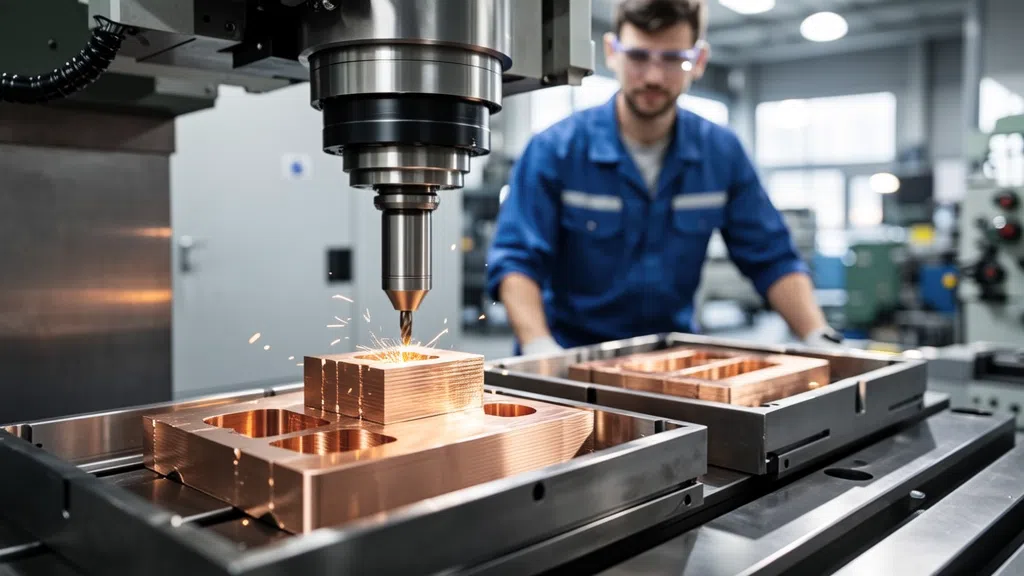
- Select the Right Tools and Equipment: The foundation of accurate machining lies in the tools and equipment you use. Make sure to invest in high-quality cutting tools that are specifically designed for the materials and geometries you’re working with. Using the right tool can significantly impact the precision of your machining operations.
- Implement Advanced CNC Technology: Leveraging the latest CNC technologies can dramatically enhance your machining accuracy. Modern CNC machines come equipped with advanced software that allows for real-time adjustments, ensuring that your machining processes remain consistent and precise.
- Regular Maintenance and Calibration: One common oversight is neglecting the maintenance of equipment. Regular calibration and maintenance of your machines can prevent inaccuracies caused by wear and tear. Establish a routine maintenance schedule and follow it diligently to keep your machines in optimal condition.
Measurement and Monitoring Techniques
To achieve high levels of accuracy, it’s essential to incorporate precise measuring and monitoring techniques:
- Use Digital Calipers and Micrometers: Invest in precise measuring tools to ensure every part is within the desired tolerance levels. Regularly check your parts throughout the machining process to catch any discrepancies early.
- Implement Statistical Process Control (SPC): This method allows you to monitor and control the machining process through data collection and analysis. By using statistical tools, you can identify variations and take corrective actions promptly.
Conclusion
Improving accuracy in precision machining doesn’t have to be a daunting task. By focusing on these strategies—selecting the right tools, incorporating advanced technology, maintaining equipment, and implementing measurement techniques—you can enhance the quality of your complex parts and stay competitive in the market. If you’ve tried any of these methods, share your insights! Engaging with others in the industry can often lead to new ideas and improvements that benefit everyone.
Why is accuracy important in precision machining?
Accuracy is crucial in precision machining because even a minor mistake can lead to significant reworks or defects in the final product. When dealing with complex parts, this can also mean delays and increased costs, affecting customer satisfaction.
By improving accuracy, manufacturers can enhance efficiency and reduce errors, ensuring their products meet strict specifications and perform as intended.
What are some effective strategies to improve accuracy in machining?
Some effective strategies include selecting high-quality cutting tools tailored for specific materials, utilizing advanced CNC technology, and conducting regular maintenance and calibration on your equipment.
These steps provide a solid foundation for achieving better precision and minimizing variations during the machining process.
How can measurement techniques enhance accuracy?
Using precise measurement tools like digital calipers and micrometers is key to ensuring that every part stays within the desired tolerances. Regularly checking parts during machining helps catch any deviations early on.
Additionally, implementing Statistical Process Control (SPC) allows for real-time monitoring of the machining processes, making it easier to identify and rectify variations quickly.
How often should equipment be maintained for optimal accuracy?
It’s essential to have a regular maintenance schedule to keep your machines in top condition. Typically, scheduling maintenance every 1 to 3 months can help prevent inaccuracies due to wear and tear.
By staying on top of maintenance, you’ll avoid costly downtime and ensure that your equipment consistently performs at its best.
What role does tool selection play in machining accuracy?
Choosing the right tools is fundamental for achieving high accuracy in machining. High-quality tools designed for specific applications can significantly enhance the final product’s quality. This means considering factors like material compatibility and geometry when making your selection.
Moreover, using the most suitable tools can lead to improved surface finishes and tighter tolerances, ultimately elevating customer satisfaction.

 English
 German
 Turkish
 Spanish
 French