

Optimizing Aluminum CNC Visual Texture
Struggling to define the ‘perfect’ aesthetic for your aluminum CNC parts? This common challenge often leads to inconsistent quality, decision paralysis, and wasted resources, ultimately hindering your product’s market appeal. Understanding the nuances of sandblasting, wire brushing, and polishing is essential. This knowledge transforms a functional component into a visually striking element, ensuring your product stands out and resonates with end-users.
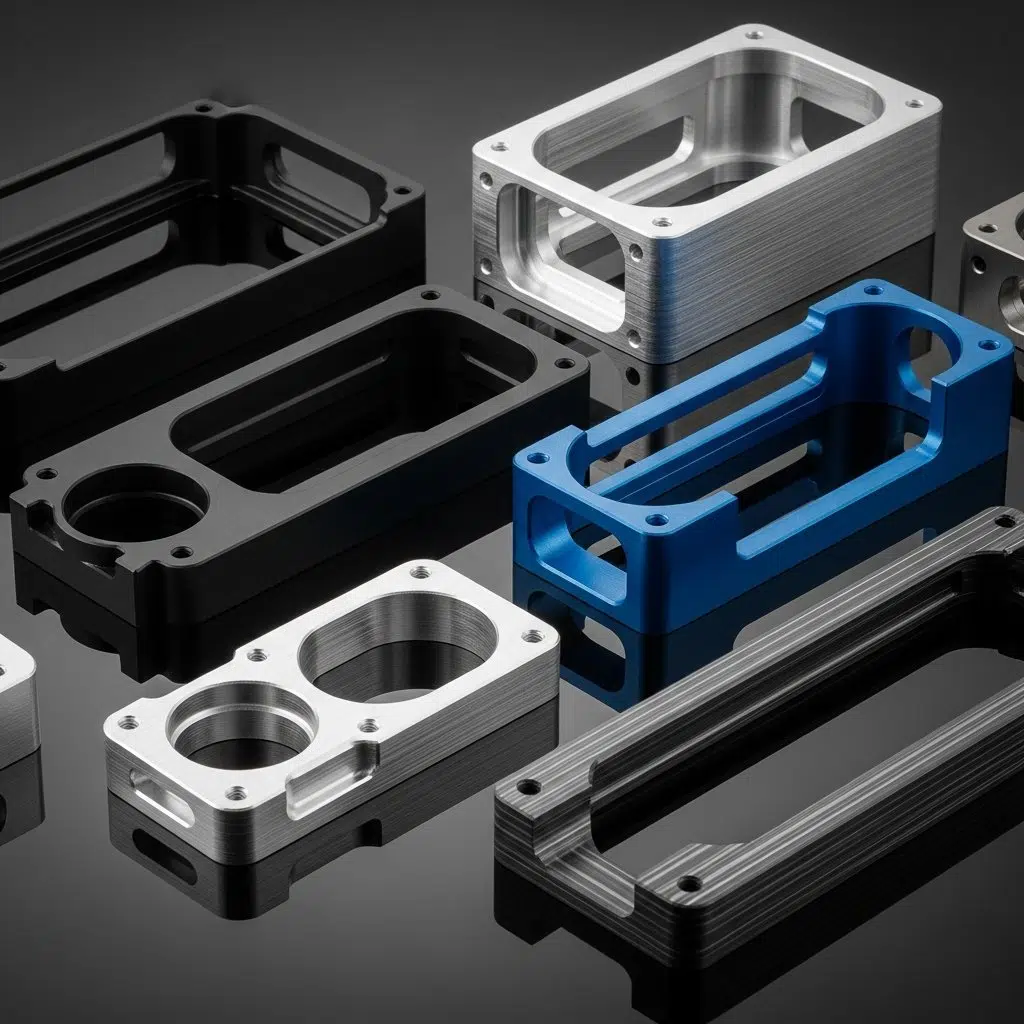
For optimal visual texture on aluminum CNC parts, sandblasting creates a uniform matte finish, ideal for minimizing imperfections and achieving a diffused look. Wire brushing provides a directional, satin grain for a sophisticated, tactile feel. Polishing delivers a high-gloss, mirror-like surface that enhances reflectivity and perceived luxury. The best choice depends on your specific design intent, functional requirements, and budget.
Understanding Aluminum CNC Visual Surface Finishes
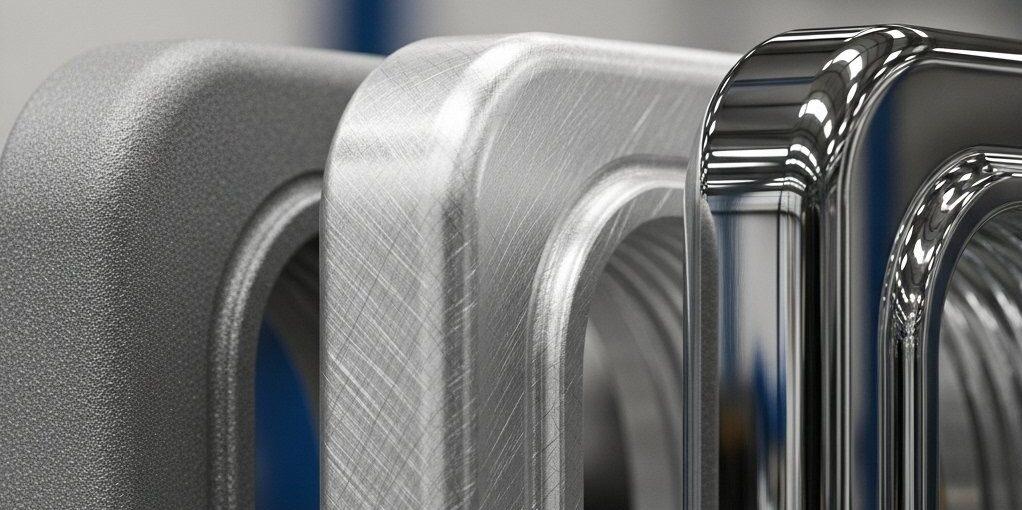
Achieving the right visual texture on aluminum CNC parts is critical for product aesthetics and perceived quality. Three primary mechanical surface treatments—sandblasting, wire brushing, and polishing—each offer distinct outcomes tailored to specific design and functional requirements. Understanding these differences is key to making informed decisions.
Sandblasting for Aluminum CNC Parts: A Detailed Look
Sandblasting is a highly effective method for producing a uniform, diffused finish on aluminum CNC parts. It involves propelling abrasive particles at high velocity onto the surface, creating a finely textured, non-directional matte appearance. The choice of abrasive media, pressure, and duration dictates the final roughness (Ra value) and visual texture.
Key Characteristics of Sandblasted Aluminum Finishes
A sandblasted aluminum surface exhibits a soft, non-reflective matte finish that is highly effective at masking minor surface imperfections, tool marks, and inconsistencies from the CNC machining process. It offers a subtle, sophisticated aesthetic with a slightly textured, tactile feel. This finish also improves paint and coating adhesion by increasing surface area.

Ideal Applications for Sandblasted Aluminum Components
Sandblasting is commonly used for aluminum housings, enclosures, and panels where a glare-free, uniform appearance is desired. It is particularly suitable for industrial equipment, consumer electronics with a minimalist aesthetic, and parts that will undergo further painting or anodizing. The consistent matte finish minimizes visible fingerprints and smudges.
Wire Brushing Aluminum CNC Parts: Achieving Directional Grain
Wire brushing creates a distinctive linear or directional grain on aluminum CNC parts, resulting in a satin finish with a unique visual texture. This process involves drawing or rubbing a wire brush across the aluminum surface in a consistent direction. The brush bristles abrade the surface, producing fine, parallel lines that reflect light uniformly along one axis.
Aesthetic and Functional Benefits of Brushed Aluminum
Brushed aluminum offers a modern, elegant aesthetic that conveys quality and craftsmanship. The directional grain provides a sophisticated tactile feel and can mask minor scratches or imperfections more effectively than a smooth surface. Functionally, it can reduce reflectivity compared to polished surfaces, making it suitable for certain visual interfaces.

Project Suitability for Wire Brushed Aluminum Parts
Wire brushing is frequently chosen for architectural elements, appliance panels, consumer electronics casings, and automotive interior trim where a sleek, modern look is desired. The directional visual texture can be aligned with product design lines, enhancing the overall aesthetic. It is an excellent choice when a premium, yet understated, appearance is required.
Polishing Aluminum CNC Components: Mirror Finish Effects
Polishing is a multi-stage abrasive process designed to smooth the aluminum surface to an extremely fine finish, achieving a high-gloss, mirror-like visual. It involves using progressively finer abrasive compounds, often applied with buffing wheels, to remove microscopic surface irregularities. The goal is to maximize light reflection and create a brilliant sheen.
Advantages of Polished Aluminum Surface Texture
A polished aluminum surface boasts exceptional reflectivity and a luxurious appearance, significantly elevating the perceived value of a product. This finish is also exceptionally smooth to the touch. Beyond aesthetics, a highly polished surface can enhance corrosion resistance by creating a less porous, more uniform surface that is harder for contaminants to adhere to.

When to Choose Polished Finishes for Aluminum Parts
Polishing is ideal for high-end consumer products, decorative components, medical instruments, and luxury goods where maximum visual impact and a premium feel are paramount. It is also selected for optical applications or when specific reflective properties are required. This finish demands meticulous preparation and execution for optimal results.
Comparing Visual Texture Options for Aluminum CNC
Choosing between sandblasting, wire brushing, and polishing for your aluminum CNC parts requires a comprehensive understanding of their aesthetic impact, durability, cost, and production challenges. Each finish offers a unique set of attributes that must align with your product’s design intent and functional requirements.
Aesthetic Impact of Finishes on Aluminum CNC Parts
The visual texture of an aluminum part significantly influences its aesthetic appeal and user perception. Each finishing technique provides a distinct interaction with light and touch, creating different visual and tactile experiences.
Visual Perceptions: Matte, Satin, or Mirror for Aluminum
Sandblasting creates a uniform matte finish that diffuses light, minimizing glare. Wire brushing results in a satin finish with a directional sheen, offering a refined, understated look. Polishing delivers a mirror finish, maximizing reflectivity and creating a striking, high-impact appearance.
Tactile Feel and User Experience for Aluminum CNC
Sandblasted surfaces feel slightly textured and grippy. Brushed surfaces offer a smooth, yet discernibly directional texture that can be pleasant to the touch. Polished surfaces are incredibly smooth and slick, conveying a sense of luxury and precision.
| Finish Type | Visual Perception | Tactile Feel | Light Reflection |
|---|---|---|---|
| Sandblasted | Uniform Matte | Slightly Textured, Grippy | Diffused, Low Glare |
| Wire Brushed | Directional Satin | Smooth, Directional Grain | Soft Sheen, Mid-Glare |
| Polished | Mirror Gloss | Extremely Smooth, Slick | Highly Reflective, High Glare |
Durability & Cost of Aluminum CNC Surface Treatments
Beyond aesthetics, the practical considerations of durability and cost play a significant role in selecting the appropriate aluminum CNC surface finish. These factors directly impact the longevity and economic viability of your product.
Wear Resistance and Longevity of Each Aluminum Finish
Sandblasted finishes are generally durable against minor scratches and abrasions, as their texture can mask small imperfections. Wire brushed surfaces offer similar resilience. Polished finishes, while visually stunning, can be more susceptible to visible scratches and require careful handling to maintain their pristine look.
Cost Implications for Sandblasting, Brushing, Polishing Aluminum
Sandblasting is often the most cost-effective option due to its relatively straightforward process and scalability. Wire brushing typically falls in the mid-range, requiring more control and potentially specialized equipment. Polishing is generally the most labor-intensive and expensive, demanding multiple stages and skilled craftsmanship to achieve a true mirror finish.

| Finish Type | Typical Ra Value (µm) | Wear Resistance | Relative Cost |
|---|---|---|---|
| Sandblasted | 0.8 – 6.3 | Good | Low |
| Wire Brushed | 0.4 – 1.6 | Good | Medium |
| Polished | < 0.1 | Moderate (prone to visible scratches) | High |
Production Challenges for Aluminum CNC Finishes
Each finishing technique presents its own set of production challenges, influencing consistency and quality control for aluminum parts. Understanding these complexities is crucial for realistic project planning.
Process Complexity and Consistency for Aluminum Parts
Sandblasting requires careful control of media, pressure, and distance to ensure uniform coverage across complex geometries. Wire brushing demands precise directional control to maintain consistent grain. Polishing is highly skill-dependent, with multi-stage processes needing meticulous attention to detail to avoid haze or swirl marks.
Quality Control for Various Aluminum Surface Textures
Rigorous quality control is paramount for all finishes. For sandblasting, consistency of texture and absence of streaks are key. Brushed finishes require uniform grain direction and depth. Polished surfaces are scrutinized for clarity, absence of defects, and consistency of reflectivity. Our expertise ensures these standards are met.

Selecting the Optimal Visual Texture for Aluminum CNC
Choosing the perfect visual texture for your aluminum CNC parts is a strategic decision that impacts product perception, functionality, and brand identity. It requires careful consideration of both aesthetic goals and practical limitations.
Matching Finish to Product Design for Aluminum
The ideal finish seamlessly integrates with your product’s overall design language and intended market. A clear vision for your product’s aesthetic and functional demands is the starting point.
Considerations for Industrial vs. Consumer Aluminum Parts
Industrial components often prioritize durability, glare reduction, and a rugged appearance, making sandblasting or certain brushed finishes ideal. Consumer electronics or luxury items may demand the sleekness of brushing or the high impact of polishing for a premium feel and visual texture.
Integrating Visual Texture with Brand Identity for Aluminum
The chosen finish should reinforce your brand’s image. A brand emphasizing rugged reliability might opt for a sandblasted texture, while one focused on elegant design might prefer brushed or polished surfaces. Consistency across product lines strengthens brand recognition.
Expert Advice for Aluminum CNC Finish Selection
Navigating the multitude of options and technical nuances can be challenging. Leveraging expert advice ensures your selection is both aesthetically perfect and practically achievable.
Custom Solutions Based on Your Aluminum Project Needs
Every project has unique requirements. Our team works closely with you to understand your specific design goals, functional demands, and budget constraints. We provide tailored recommendations to achieve the optimal visual texture for your aluminum CNC components.
Leveraging Deep Technical Expertise for Aluminum Finishes
Our deep technical expertise as a source manufacturer means we understand the intricate details of how each process interacts with aluminum. This allows us to foresee potential challenges, optimize processes, and deliver finishes with unmatched consistency and quality.

Ensuring Quality Aluminum CNC Surface Treatment
Partnering with a trusted source manufacturer like ly-machining is crucial for consistently achieving high-quality aluminum CNC surface treatments. Our commitment to precision and transparent processes ensures your product’s visual texture meets your exact specifications.
High-Quality Aluminum CNC Parts from a Source Manufacturer
As a direct manufacturer, we control every aspect of the production process, from CNC machining to surface finishing. This end-to-end control is vital for delivering superior quality and consistency.
Our Commitment to Precision and Finish Consistency
Our advanced equipment and skilled technicians are dedicated to achieving precise Ra values and uniform finishes across all your aluminum CNC parts, regardless of order volume. We adhere to strict quality control protocols at every stage.
Advantages of Working with a Direct Aluminum CNC Supplier
Working directly with us eliminates intermediaries, leading to faster lead times, better communication, and greater accountability. Our direct oversight ensures that the visual texture of your aluminum parts consistently reflects your design intent and brand standards.
Transparent Pricing & Technical Expertise in Aluminum Finishes
We believe in clear communication and honest assessment of your project’s needs, offering competitive pricing without compromising on quality or expertise.
Understanding Your Investment in Premium Aluminum Textures
We provide transparent pricing structures, detailing the costs associated with sandblasting, wire brushing, and polishing. This allows you to make informed budgetary decisions while ensuring a premium finish for your aluminum CNC components.
Consulting Our Experts for Your Aluminum Surface Needs
Our team of surface treatment experts is ready to discuss your project. We offer personalized consultations to help you navigate the options, clarify technical specifications, and select the aluminum finish that perfectly aligns with your product vision and functional requirements.

Article Summary
Selecting the optimal visual texture for aluminum CNC parts is critical for product aesthetics and functionality. Sandblasting provides a uniform matte finish, ideal for masking imperfections and reducing glare. Wire brushing delivers a sophisticated, directional satin grain that enhances tactile appeal.
Polishing achieves a high-gloss, mirror-like surface for a luxurious visual impact. Each method has distinct characteristics in terms of aesthetic outcome, tactile feel, durability, and cost. Understanding these differences, coupled with expert guidance, enables informed decisions that align with product design and brand identity. Partnering with a skilled source manufacturer ensures consistent quality and transparent execution of your chosen surface treatment.
FAQ Section
Q1: How do I specify the precise surface roughness (Ra value) for sandblasted aluminum parts?
A1: To specify the surface roughness for sandblasted aluminum parts, you should provide a target Ra (Roughness Average) value, typically measured in micrometers (µm). It’s also beneficial to specify the type of abrasive media (e.g., glass beads, aluminum oxide) and the desired finish appearance (e.g., fine matte, coarse matte).
Our engineers can help you determine the appropriate Ra range based on your aesthetic and functional requirements, ensuring the final visual texture meets your exact expectations.
Q2: Can different surface finishes be combined on a single aluminum CNC part?
A2: Yes, it is technically possible to combine different surface finishes on a single aluminum CNC part, creating unique visual and tactile contrasts. This often requires careful masking and sequential processing to ensure clean transitions between finishes.
For example, a part could have sandblasted sections adjacent to polished areas. This approach adds complexity and cost, but can result in highly distinctive product designs. We recommend consulting with our technical experts to evaluate the feasibility and cost implications for your specific design.
Q3: What factors should I consider regarding the longevity and maintenance of these aluminum surface finishes?
A3: The longevity and maintenance of aluminum surface finishes vary. Sandblasted and wire brushed surfaces are generally more forgiving of minor scratches and fingerprints due due to their textured nature. Polished surfaces, while stunning, are more prone to showing scratches, smudges, and require more careful handling and cleaning to maintain their high-gloss appearance. Environmental factors and intended use also play a role. For enhanced durability and corrosion resistance, any of these finishes can be followed by an anodizing process, providing a protective and often colored layer.
Ready to achieve the perfect visual texture for your aluminum CNC machined parts? Contact our surface treatment experts today for a personalized consultation, transparent pricing, and a quote that leverages our source manufacturer quality and deep technical expertise.
 English
 German
 Turkish
 Spanish
 French