

We’ll delve into best practices for material selection, precision machining techniques, and the importance of rigorous quality control measures. Learn how established protocols and advanced technology contribute to uniform results, ensuring that each batch of copper components maintains the same high quality. Through compelling insights and expert advice, this article equips you with the knowledge to make informed decisions that can elevate your projects and streamline production workflows.
Join us as we uncover the secrets behind perfect consistency in copper CNC machining, and discover how implementing these methods can lead to greater efficiency, reduced costs, and improved client satisfaction. Whether you’re navigating the complexities of machining or looking to refine your current process, this guide offers valuable information and actionable tips to ensure your success in the competitive manufacturing landscape.
Achieve perfect consistency with copper CNC machining is not just a goal; it’s a requirement in today’s competitive landscape. I often hear from engineers and purchasing managers that the pressure to maintain uniformity in manufacturing processes can be overwhelming. Have you ever faced inconsistencies in your components, leading to delays and increased costs? At ly-machining, we prioritize perfecting this aspect of CNC machining, especially when it comes to copper.
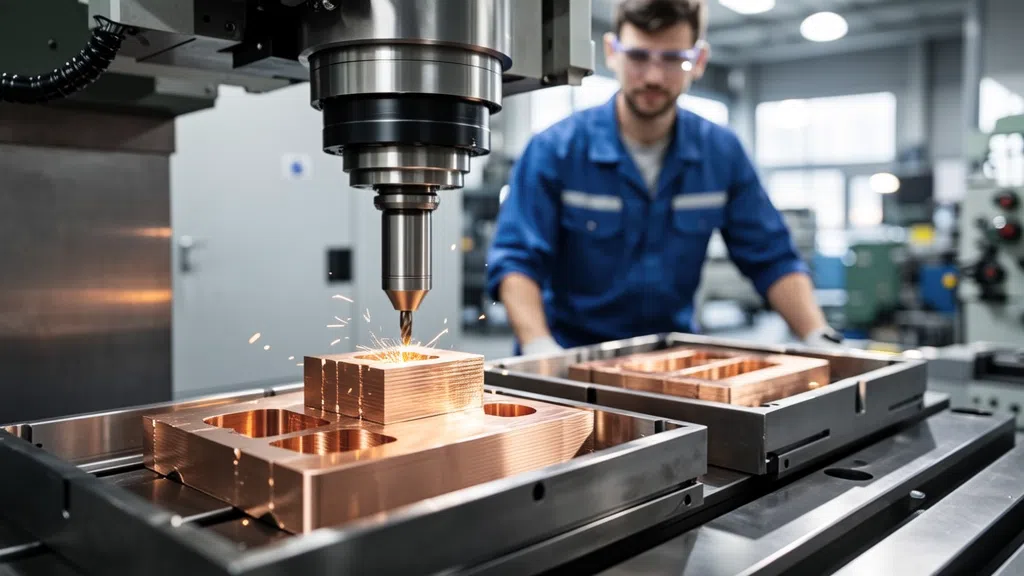
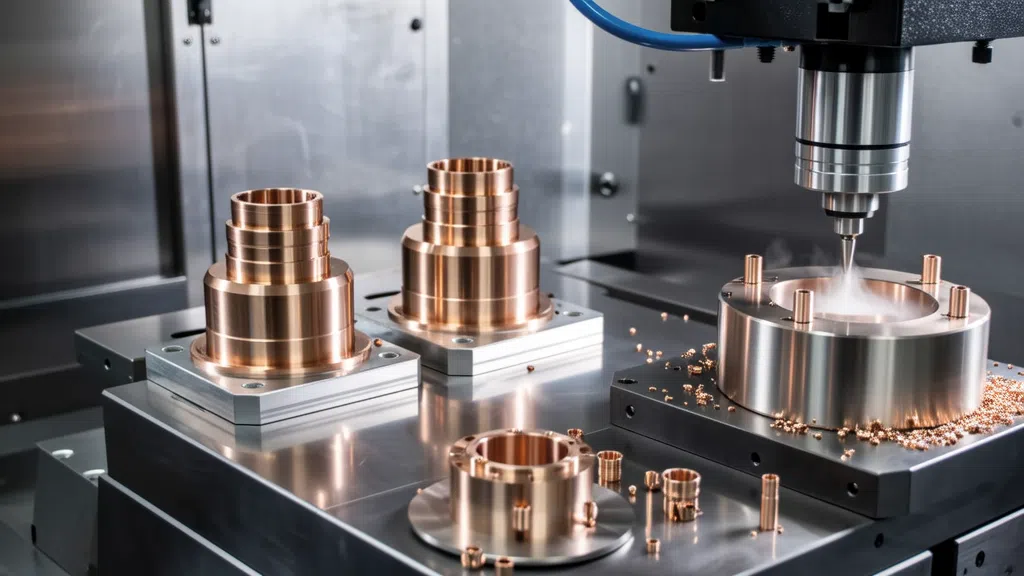
Copper CNC machining stands out because of its applications in various industry sectors, from electrical components to aerospace. To achieve the perfect consistency you need in your projects, here are a few strategies that I recommend based on my two decades of experience in the field.
Understanding Material Properties
One of the first steps to ensuring batch consistency in copper machining is understanding the material properties. Copper is not only a good conductor of electricity but also known for its malleability and ductility. These traits can lead to variations if not properly managed. At ly-machining, we leverage advanced technology to monitor these properties throughout the machining process, ensuring that we consistently deliver components that meet your exact specifications.
What are the ideal copper alloys for CNC machining?
When considering copper alloys for machining, it’s crucial to choose those that balance workability and strength. For instance, C11000 (Electrolytic Tough Pitch Copper) is great for machining due to its high conductivity and excellent mechanical properties. I’ve worked with clients who initially chose less suitable alloys, only to face challenges down the line; switching to C11000 significantly improved their project outcomes.
How do we control machining parameters for consistency?
Maintaining strict control over machining parameters—like speed, feed, and depth of cut—is essential for achieving consistent results. At ly-machining, we employ state-of-the-art CNC machines equipped with automated monitoring systems. This allows us to adapt and ensure that every piece meets the necessary tolerances. I once helped a manufacturing client optimize their CNC parameters, resulting in a 15% reduction in material waste and faster cycle times.
Implementing Rigorous Quality Control
Quality control is the backbone of ensuring batch consistency. Without proper QC protocols, even the best machining processes can lead to defects that can cost you both time and money. At ly-machining, we have established comprehensive quality assurance measures that adhere to international standards, such as ISO
What QC tests do we perform on copper machined parts?
For every batch of copper machined parts, we conduct several quality tests, including visual inspections, dimensional accuracy checks, and surface finish evaluations. These checks are critical for identifying any discrepancies early, allowing us to take corrective actions before the parts leave our facility. Moreover, referencing ISO standards during the QC process ensures that our practices remain aligned with industry best practices.

Why is traceability important in CNC machining?
Traceability plays a vital role in quality assurance. At ly-machining, we keep detailed records of materials, process parameters, and inspections. This way, if any issues arise, we can trace back and identify the root cause swiftly. I’ve seen companies that lack detailed traceability struggle with recalls—don’t let that be you!
Maximizing Efficiency through Advanced Technologies
Using innovative technologies like real-time monitoring systems and predictive analytics can significantly enhance batch consistency. At ly-machining, we pride ourselves on being at the forefront of technology, allowing us to provide advanced solutions tailored to meet your specific needs.
How does automation contribute to consistency?
Automation reduces the potential for human error during machining processes. For example, integrating CNC automation at our facility has allowed us to maintain tighter tolerances over longer production runs. I’ve observed that automation not only improves efficiency but also fosters consistency across all batches.
What role does employee training play?
While machines do most of the work, the expertise of the operators cannot be understated. Continuous training on the newest technologies and methodologies ensures every team member is equipped with the latest knowledge and skills. This investment in human resources has proven beneficial, as I’ve witnessed firsthand how well-trained staff can spot issues earlier, ultimately averting costly mistakes.
What are the key material properties for copper CNC machining?
When working with copper for CNC machining, it’s essential to understand its properties like ductility and high conductivity. These characteristics influence how it behaves during the machining process.

I often recommend looking into specific alloys, such as C11000, known for great machinability and electrical performance since they can significantly impact your project’s success.
How do you ensure quality control during machining?
Quality control starts right from material selection, where we ensure we have the right copper grades. During machining, we implement several checks, including dimensional accuracy and surface finish assessments.
These measures help us spot any inconsistencies early on. In my experience, establishing a solid QA process can save time and costs, helping you avoid reworks that typically arise due to unnoticed defects in earlier stages.
What technologies help improve machining efficiency?
Advanced CNC machines equipped with automation features are a game changer when it comes to maintaining efficiency and consistency. At ly-machining, we utilize real-time monitoring systems that track every step of the process, helping us maintain tight tolerances.
I’ve seen firsthand how these technologies reduce production errors—implementing automation can often lead to cycle times being shortened by up to 30%, allowing for a smoother workflow.
Why is employee training crucial in CNC machining?
Even with the best technology, the skill of the operators plays a critical role in ensuring quality and efficiency. Continuous training makes sure that our team is up-to-date with the latest methodologies and tools in the CNC machining industry.
I’ve witnessed the positive impact of a well-trained staff—having operators who are confident in their skills means fewer mistakes and better overall production outcomes.
How can traceability enhance the quality assurance process?
Traceability is essential in the CNC machining world. By keeping detailed records of materials and machining parameters, we can quickly identify any issues that may arise during production.
I’ve seen how effective traceability can be in avoiding costly recalls—having that level of detail can make all the difference in maintaining customer trust in your products.

 English
 German
 Turkish
 Spanish
 French