
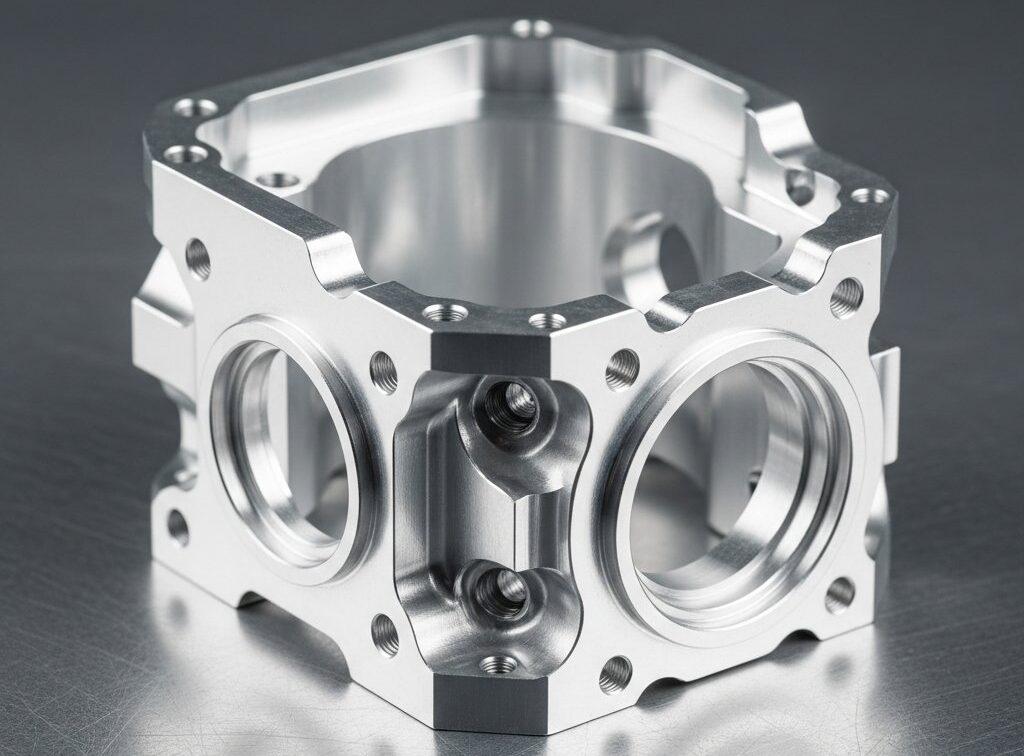

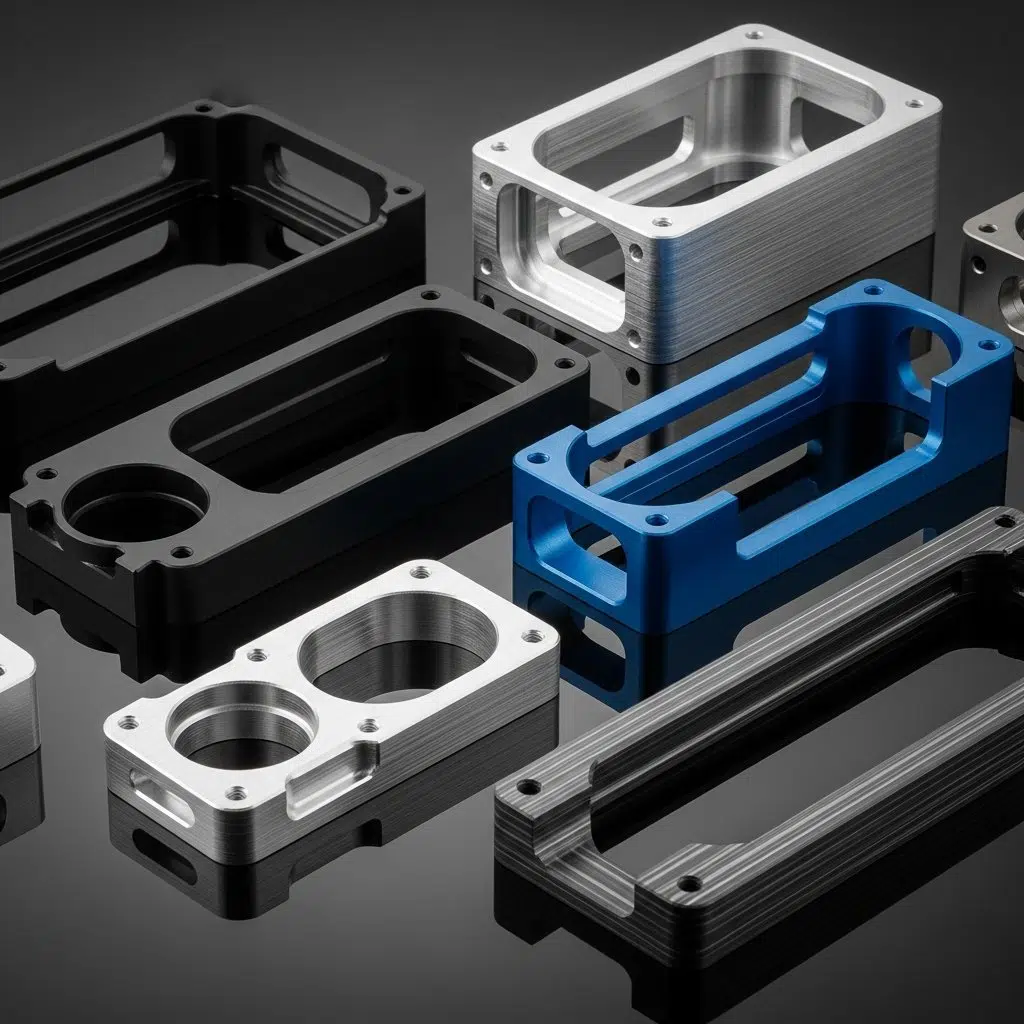
Achieving precise dimensions in CNC Aluminum Parts is crucial. Mastering tolerance control, through meticulous material selection, optimized machining parameters, and advanced metrology, ensures consistent quality for custom aluminum CNC parts, mitigating costly failures.
The realm of precision manufacturing demands unwavering accuracy, especially when dealing with custom aluminum CNC parts. For critical applications, even slight deviations in `CNC machining` can compromise functionality, assembly, and overall product integrity. This is where mastering tolerance control becomes not just an advantage, but an absolute necessity for quality assurance.
In our experience, a deep understanding of `aluminum CNC machining` processes, coupled with stringent quality protocols, differentiates reliable suppliers. This guide delves into the core strategies and expert insights required to achieve and maintain superior dimensional accuracy for all your `CNC aluminum parts`. We will explore how `ly-machining` ensures that every `aluminum component` meets the most exacting specifications.
Why Precision Matters in Aluminum Parts CNC Machining
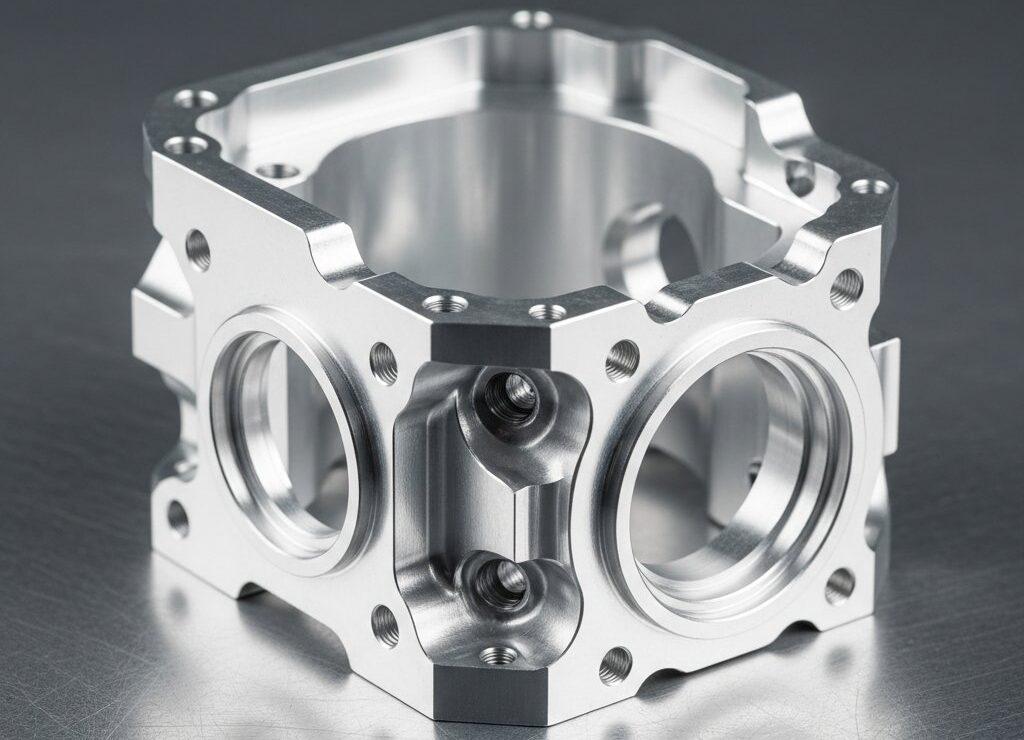
Precision in manufacturing `CNC aluminum parts` is non-negotiable across various industries. From aerospace to medical devices, the performance and safety of an end product often hinge on the dimensional accuracy of its `aluminum components`. Maintaining tight tolerances ensures perfect fit and function.
The Cost of Poor Tolerance Control in CNC Aluminum Parts
A common issue we see is the significant downstream impact of inadequate tolerance control. Parts that fall outside specifications can lead to costly rework, extending project timelines and increasing manufacturing expenses dramatically. This directly affects profitability and market entry.
Assembly failures are another critical consequence, where components simply do not fit together as intended. This can necessitate complete re-machining or even scrapping batches of `custom aluminum CNC parts`, causing major production delays. In sensitive industries, this can mean regulatory non-compliance.
In the worst-case scenarios, poor tolerance control can lead to product failures in the field, resulting in expensive product recalls and severe reputational damage. Our factory understands these risks, which is why `aluminum CNC machining` demands robust quality assurance.
Meeting Demanding Specifications for Custom Aluminum CNC Parts
Industries like aerospace and medical devices rely on `CNC aluminum parts` for their light weight and strength. These sectors often require tolerances measured in microns, alongside specific surface finishes. Meeting these demanding specifications is crucial for product performance and safety.
Engineers and designers push the boundaries of innovation, creating complex aluminum geometries that challenge traditional machining limits. Our expertise ensures that these intricate designs for `custom aluminum CNC parts` are not only manufacturable but also precisely replicated.
This requires an intimate understanding of both the design intent and the capabilities of advanced `CNC machining` technology. We pride ourselves on translating highly technical requirements into tangible, high-quality `aluminum components`.

Key Factors for Aluminum CNC Machining Tolerance Control
Achieving exceptional tolerance control in `aluminum CNC machining` involves a multi-faceted approach. Every stage, from material selection to process optimization, plays a vital role in the final dimensional accuracy of `CNC aluminum parts`. We meticulously control each variable.
Material Selection & Preparation for Aluminum CNC Machining
The inherent properties of aluminum alloys significantly influence machinability and achievable tolerances. Different alloys exhibit varying hardness, thermal expansion coefficients, and internal stresses, all of which must be considered during `CNC machining`.
For example, 6061 aluminum is a versatile choice, while 7075 offers higher strength but can be more challenging to machine to tight tolerances due to residual stresses. Proper material heat treatment and stress-relieving procedures before `CNC manufacturing` are crucial.
We conduct thorough material analysis to select the optimal alloy and temper for each `custom aluminum CNC part`. This foundational step minimizes unexpected deformations and ensures a stable machining environment.
| Aluminum Alloy | Key Characteristics | Typical Applications |
|---|---|---|
| 6061-T6 | Good strength, weldability, corrosion resistance | General engineering, automotive |
| 7075-T6 | High strength-to-weight ratio, excellent fatigue resistance | Aerospace, military, high-stress parts |
| 2024-T3 | High strength, good fatigue resistance | Aircraft structures, fasteners |
| 5052-H32 | Excellent corrosion resistance, good formability | Marine, chemical equipment |
Advanced Tooling & Fixturing in Aluminum CNC Machining
The rigidity and precision of tooling are paramount for maintaining tight tolerances. We utilize high-performance cutting tools specifically designed for `aluminum CNC machining`, featuring optimized geometries and coatings to minimize deflection and tool wear.
Advanced fixturing techniques, including custom-designed workholding, secure the `CNC aluminum parts` rigidly, preventing vibration and movement during cutting. This ensures consistent part geometry throughout the entire machining cycle.
In our experience, tool path optimization and careful tool management, including regular inspection and timely replacement, are critical. This prevents chatter and ensures superior surface finish and dimensional accuracy.
Optimizing Machine Parameters for CNC Aluminum Parts
Precisely calibrated machine parameters are fundamental to precision `CNC machining`. Spindle speed, feed rates, and depth of cut must be carefully balanced to control chip formation, heat generation, and tool engagement.
For `aluminum CNC parts`, optimizing these parameters ensures efficient material removal while preventing thermal distortion and maintaining surface integrity. We leverage advanced CAM software and real-time monitoring to fine-tune these settings.
Chip evacuation and coolant strategies are equally vital. Effective chip management prevents recutting and localized heat buildup, while proper coolant delivery maintains stable temperatures and lubricates the cutting interface.
| Machining Parameter | Impact on Tolerance Control | Optimization Strategy |
|---|---|---|
| Spindle Speed | Surface finish, heat generation | Higher for finer finish, balanced for heat |
| Feed Rate | Material removal rate, tool wear, surface finish | Slower for precision, faster for efficiency |
| Depth of Cut | Tool deflection, heat generation | Lighter for final passes, heavier for roughing |
| Coolant Strategy | Thermal stability, chip evacuation | High-pressure, flood, mist cooling |

Thermal Management & Stability in CNC Machining
Aluminum’s high coefficient of thermal expansion makes thermal management a critical aspect of precision `CNC machining`. Temperature fluctuations can cause the workpiece to expand or contract, leading to dimensional inaccuracies.
We employ climate-controlled machining environments and advanced cooling systems for both the machine and the workpiece. In-process temperature monitoring helps us compensate for or mitigate thermal effects.
Machine stability, including robust machine construction and vibration dampening, is also key. A stable platform ensures that cutting forces do not induce unwanted deflections, preserving the integrity of tight tolerances.
Implementing Robust Quality Assurance for Aluminum Parts
Our commitment to quality assurance is embedded in every step of the `aluminum CNC machining` process. We go beyond mere inspection; we integrate a comprehensive system designed to guarantee the highest standards for `CNC aluminum parts`.
GD&T Application for Precision CNC Aluminum Parts
Geometric Dimensioning and Tolerancing (GD&T) is the universal language of engineering drawings. It allows for the precise definition of part features and their interrelationships, ensuring `custom aluminum CNC parts` function as intended.
Our engineers are proficient in applying GD&T principles, translating complex specifications into actionable manufacturing instructions. This eliminates ambiguity and ensures that critical features are accurately controlled.
By focusing on the functional requirements of `aluminum components`, GD&T enables us to optimize machining strategies and inspection protocols, leading to more consistent and reliable results.

Advanced Metrology & Inspection for Aluminum CNC Machining
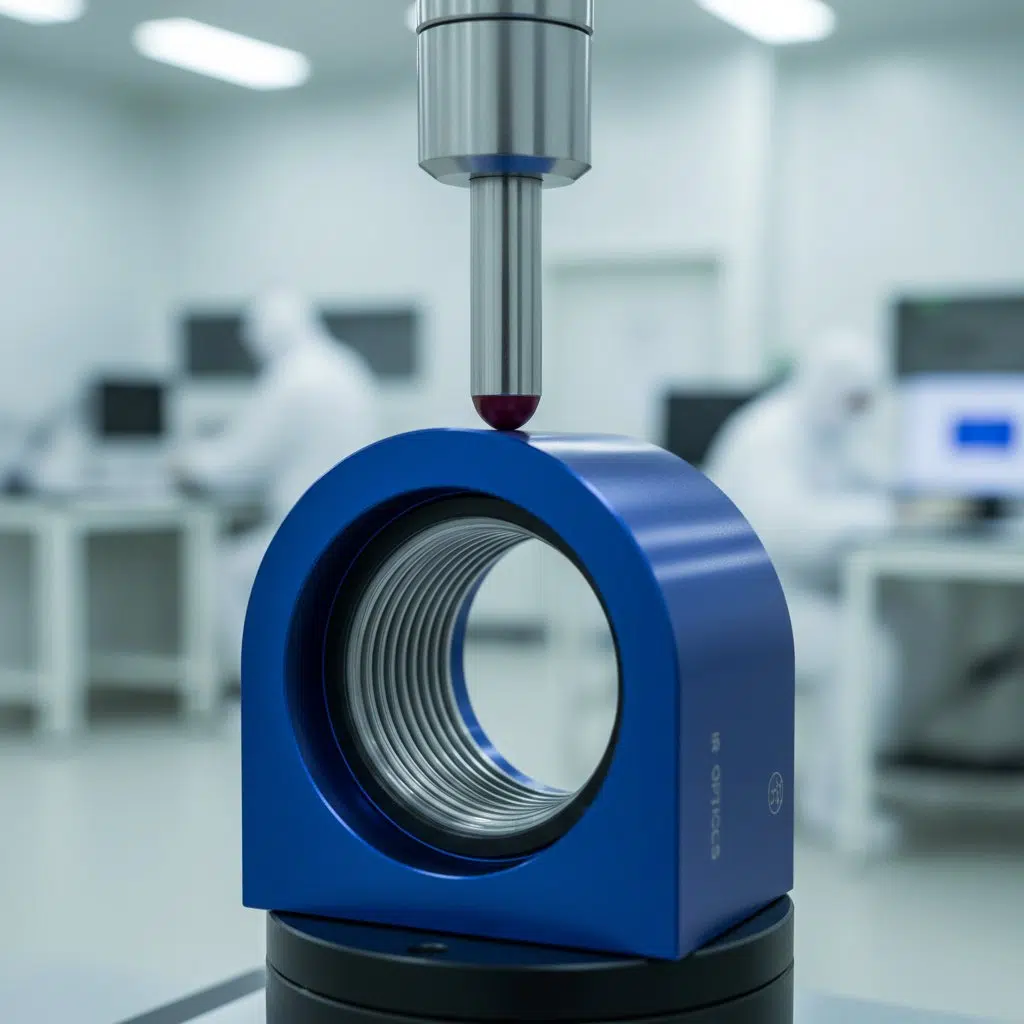
State-of-the-art metrology equipment is indispensable for verifying the precision of `aluminum CNC machining`. We utilize Coordinate Measuring Machines (CMMs) with sub-micron accuracy for comprehensive dimensional verification.
Optical comparators and laser scanners provide non-contact measurement for complex profiles and intricate features. Surface profilometers are used to precisely measure surface roughness, ensuring specified finishes are met.
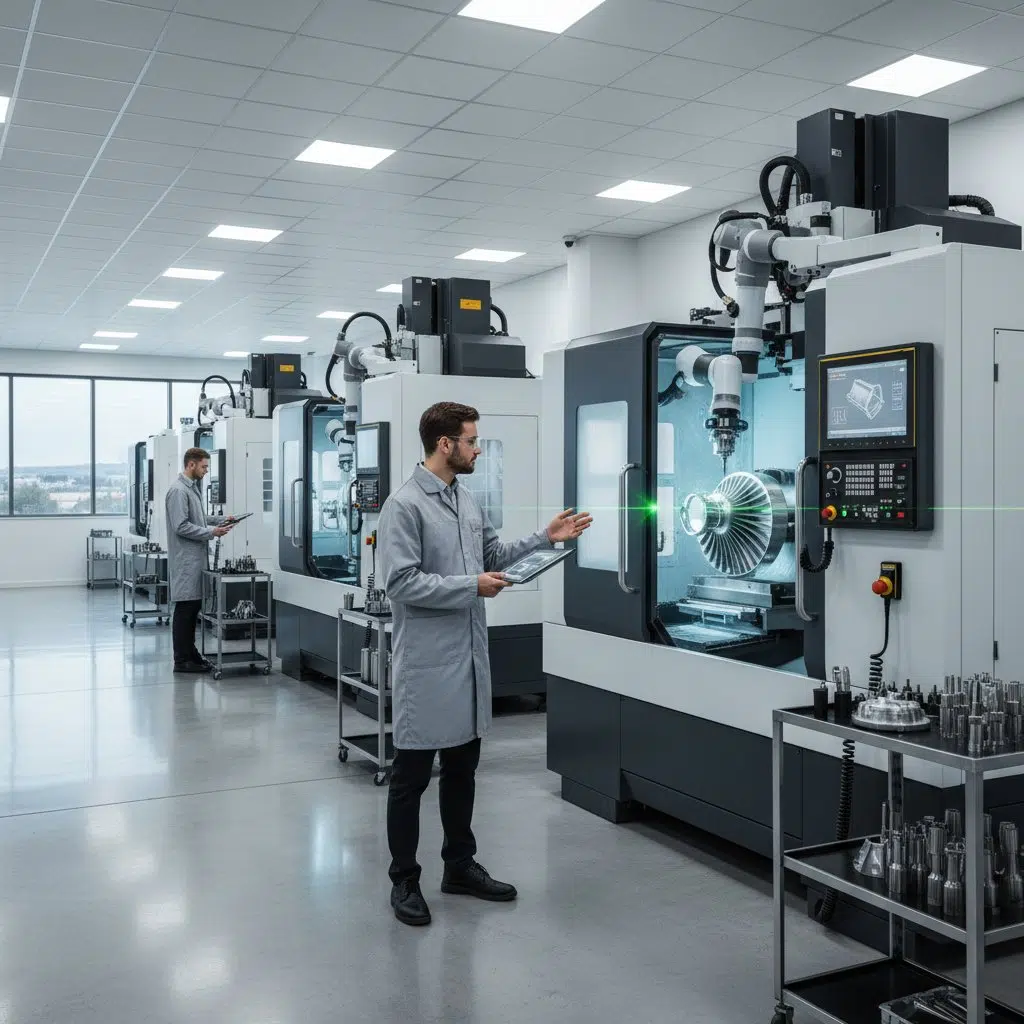
In-process inspection using probes directly on the `CNC machining` centers allows for real-time adjustments, minimizing scrap and ensuring consistent quality throughout production. This proactive approach saves time and resources.
| Metrology Equipment | Primary Function | Key Benefit for Aluminum Parts |
|---|---|---|
| CMM (Coordinate Measuring Machine) | High-accuracy 3D dimensional measurement | Verifies complex geometries, tight GD&T |
| Optical Comparator | 2D profile inspection, magnified views | Checks profiles, radii, angles without contact |
| Laser Scanner | Non-contact 3D data capture, reverse engineering | Inspects free-form surfaces, rapid data acquisition |
| Surface Profilometer | Measures surface roughness (Ra, Rz) | Ensures functional and aesthetic surface finishes |
Statistical Process Control (SPC) in CNC Machining
Statistical Process Control (SPC) is a cornerstone of our quality assurance system. We continuously monitor key process parameters and part characteristics, using control charts to identify and address any deviations.
This proactive approach allows us to detect potential issues before they lead to out-of-tolerance `CNC aluminum parts`. By analyzing data, we can implement preventive measures and optimize our `CNC machining` processes.
SPC not only ensures consistent quality but also drives continuous improvement. It provides data-driven insights to refine our techniques and enhance the overall reliability of our `aluminum CNC machining` services.
Post-Processing & Surface Finish for Custom Aluminum CNC Parts
After `CNC machining`, post-processing steps are often critical to achieve final specifications. Deburring removes sharp edges and burrs, enhancing safety and fit. Various surface treatments can also be applied.
Anodizing, for instance, improves corrosion resistance and wear characteristics of `custom aluminum CNC parts`, and can also provide aesthetic finishes. Polishing and blasting can further refine surface texture.
We work closely with clients to understand their specific post-processing and surface finish requirements (e.g., Ra values, aesthetic appearance). Our comprehensive services ensure that every `aluminum component` is delivered ready for its intended use.

Our Expertise in High-Quality Aluminum CNC Machining
At `ly-machining`, our long-standing dedication to precision and quality assurance defines our approach to `aluminum CNC machining`. We are more than a service provider; we are your strategic partner in manufacturing excellence.
As a Source Manufacturer for High-Precision Aluminum Parts
As a dedicated source manufacturer, we maintain complete control over the entire `CNC manufacturing` process, from material procurement to final inspection. This direct oversight ensures consistent quality and eliminates unnecessary intermediaries.
This allows us to offer transparent pricing, reflecting true value without hidden costs often associated with brokers or third-party suppliers. Our efficiency and control translate directly into cost savings and reliable lead times for your `custom aluminum CNC parts`.
Transparent Pricing & Value in Custom Aluminum CNC Parts
We believe in building long-term partnerships based on trust and mutual success. Our transparent pricing model provides clear, itemized quotes for your `custom aluminum CNC parts`, detailing all manufacturing steps.
We provide a comprehensive value proposition that combines competitive pricing with unparalleled quality and reliability. Our goal is to ensure you receive the highest quality `aluminum components` without compromise.
Deep Technical Expertise for Complex CNC Aluminum Parts
Our team of experienced engineers and machinists possesses deep technical expertise in `aluminum CNC machining`. We thrive on complex challenges, leveraging our knowledge to solve intricate design and tolerance requirements.
We collaborate closely with our clients, offering design-for-manufacturability (DFM) insights to optimize designs for production efficiency and precision. This partnership approach ensures the best possible outcome for your `CNC aluminum parts`.
Case Studies: Solving Tolerance Challenges with CNC Machining
For detailed examples of how we’ve successfully addressed complex tolerance challenges in `aluminum CNC machining`, please refer to our dedicated case study section below. These illustrate our practical problem-solving capabilities.

Case Study: Achieving Sub-Micron Precision for an Aerospace Actuator Component
Problem: An aerospace client required a critical actuator housing made from 7075-T6 aluminum. The design featured intricate internal channels and multiple boreholes with a true position tolerance of +/- 5 microns, a requirement previous suppliers struggled to meet due to thermal distortion and tool deflection.
Our Solution: Our engineering team meticulously analyzed the component’s geometry and material properties. We developed a multi-stage `CNC machining` process, utilizing specialized micro-grain carbide tools with optimized flute geometries and a high-pressure, through-spindle coolant system to manage heat. Custom, stress-relieving fixtures were designed to minimize material movement.
In-process temperature sensors provided real-time feedback, allowing for dynamic adjustments to feed rates and spindle speeds. Post-machining, each part underwent comprehensive inspection on our climate-controlled 5-axis CMM, utilizing precision ruby-tipped probes for sub-micron verification. SPC charts were rigorously maintained.
Result: `ly-machining` successfully delivered a batch of 50 actuator housings, all meeting the stringent +/- 5 micron true position tolerance and specified surface finish (Ra 0.4 µm). The client reported seamless assembly and improved performance in subsequent testing, reducing their overall project risk and accelerating their product development cycle.

Choose a Partner for Flawless Aluminum CNC Parts
When the success of your project hinges on precision, reliability, and unparalleled quality, selecting the right manufacturing partner for your `aluminum CNC machining` needs is paramount. Our factory is equipped to deliver.
Your Next Step for Precision Aluminum CNC Machining
We are ready to bring our expertise in `CNC machining` and `tolerance control` to your next project. Our team is committed to delivering `custom aluminum CNC parts` that exceed your expectations.
Our comprehensive approach ensures that every `aluminum component` is crafted with the utmost precision and backed by rigorous quality assurance protocols. Partner with us for manufacturing excellence.
Call to Action: Ready to eliminate uncertainty and elevate the quality of your next `aluminum CNC machining` project? Contact our expert engineering team today for a no-obligation consultation and a transparent quote tailored to your exact specifications. Let’s build your next innovation with unmatched precision.
FAQ Section
What is the tightest tolerance for CNC aluminum parts?
The tightest achievable tolerance for `CNC aluminum parts` typically ranges from +/- 0.005mm to +/- 0.01mm (5 to 10 microns).
This depends on factors such as part geometry, material alloy, machine capabilities, tooling, and environmental control.
Complex geometries and specific alloys may require specialized techniques to maintain such precision.
How does thermal expansion affect aluminum CNC machining?
Aluminum has a relatively high coefficient of thermal expansion, meaning its dimensions change significantly with temperature fluctuations.
During `CNC machining`, heat generated by cutting can cause the part to expand. If not managed, this leads to dimensional inaccuracies once the part cools.
Effective thermal management, including coolant strategies and climate control, is crucial to mitigate these effects.
What quality standards do you adhere to for aluminum CNC parts?
As a reputable `CNC machining` factory, we adhere to stringent industry quality standards such as ISO 9001 and, for specific industries, AS9100.
Our processes incorporate comprehensive quality control measures, including GD&T, advanced metrology, and Statistical Process Control (SPC).
We prioritize full traceability and document control to ensure compliance and consistent quality for all `custom aluminum CNC parts`.
 English
 German
 Turkish
 Spanish
 French