

From machine setup to tooling changes, the factors influencing these fees can vary significantly. We will explore how batch size, material specifics, and design complexity play crucial roles in determining your overall production costs. Additionally, we provide practical tips for negotiating better pricing and maximizing your value when dealing with manufacturers.
By the end of this article, you’ll have a clearer understanding of how to navigate the pricing landscape, ensuring you get the best possible deal without compromising on quality. Whether you’re working on a single prototype or a small batch of parts, knowing the ins and outs of setup fees can save you a significant amount of money and make your procurement process smoother. Equip yourself with the knowledge to make informed decisions and optimize your budget for your next machining project. Let’s dive in!
Are You Overpaying for Setup Fees on Custom Stainless Parts?
When you’re diving into the world of custom stainless parts production, one question that often pops up is whether you’re overpaying for setup fees. If you’ve ever received a quote that seemed higher than you’d expect, you’re not alone. It’s common to feel a bit anxious when crunching numbers and trying to estimate the overall cost of the project. I get it. The good news is that I’ve been in this space long enough to share insights that can help clear things up.
Manufacturers typically charge setup fees to cover the costs associated with preparing machinery and tooling for your order. These fees can vary significantly based on several factors. For instance, if you’re working with a CNC machining company, the complexity of your design, the type of machine needed, and even the material can all contribute to those dreaded startup costs. It’s important to have a solid grasp of these elements before entering negotiations or making commitments.
Understanding Setup Fees
Cost Negotiation Tips
Common Misconceptions About Setup Fees
Many people assume that all manufacturers have the same fee structures, but that’s not the case. Each company has its own pricing models based on their machinery, labor costs, and how they structure their pricing. It’s worth asking if any discounts are available for first-time clients or if there are ongoing promotions.
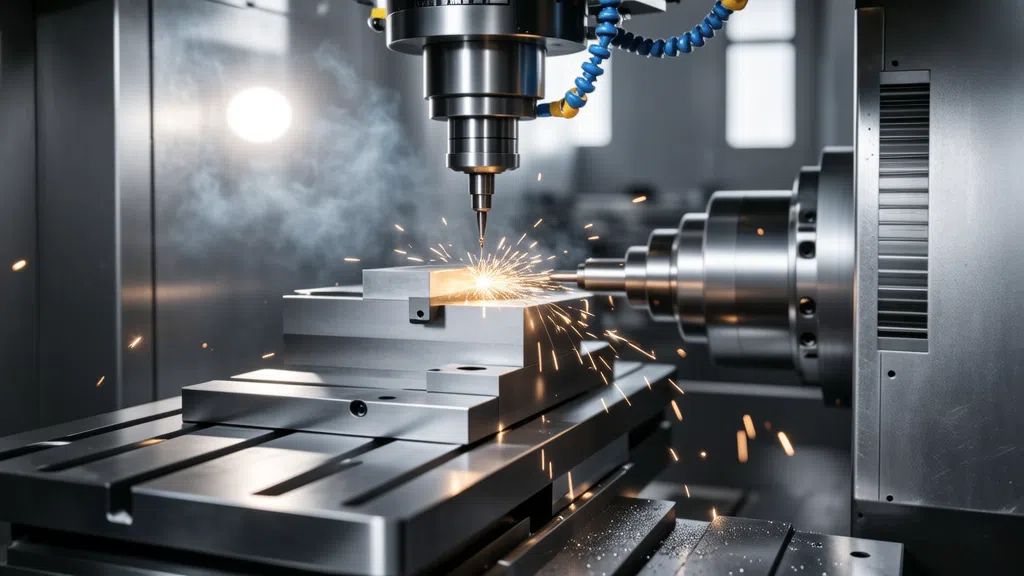
Finally, don’t forget about hidden costs. Some manufacturers might include extra fees for additional services like quality inspections or rush orders. Always ensure that you discuss these potential charges upfront to avoid surprises later on.
Conclusion
By navigating the landscape of setup fees with a keen eye and a good strategy, you can keep your project costs in line without sacrificing quality. Understanding the drivers behind these fees will empower you to engage more confidently with CNC machining suppliers, ensuring that you get the most value for your investment. If you’ve dealt with setup fees before, I recommend taking a moment to reflect on your experiences—what worked, and what you’d do differently based on your recent projects?
What are the main factors that influence setup fees?
The setup fees for custom stainless parts are primarily influenced by design complexity, batch size, and material choice. If your design has intricate features, it typically requires more time and effort to set up, thus increasing the fees.
Additionally, producing smaller batch sizes often results in higher per-part costs, as the fixed setup expenses are distributed across fewer units. Also, different grades of stainless steel may have different cost implications, so it’s worth considering alternatives that fit your project without blowing the budget.

How can I negotiate lower setup fees effectively?
To negotiate lower setup fees, start by obtaining quotes from multiple manufacturers to understand the market rate. Once you have a baseline, ask your preferred supplier for a detailed breakdown of their quote to identify areas where you could save.
Building rapport with your manufacturer can also play a role in securing better pricing. If they recognize you as a reliable client, they may be more willing to offer discounts or re-evaluate their fees for future orders.
Are there hidden costs associated with setup fees?
Yes, hidden costs can often accompany setup fees. For example, some manufacturers may include fees for additional services such as quality inspections, design modifications, or rush orders. Always clarify what specific services are covered under the quoted setup fees to avoid unexpected expenses.
It’s crucial to have open discussions about any potential charges before finalizing your order to ensure you’re fully informed about the total costs involved.
Can setup fees change based on the manufacturing process used?
Absolutely, different manufacturing processes may have varying setup costs. For instance, CNC machining processes often require upfront investments in specialized tooling and programming, which can all contribute to setup expenses.
Understanding the specific capabilities and limitations of the manufacturer you choose can help you make better decisions about which processes to utilize, potentially reducing your setup fees.
What common misconceptions exist about setup fees?
A common misconception is that all manufacturers charge the same setup fees. In reality, each company has its pricing structure that reflects its operational costs and capabilities.
Some suppliers may have higher fees due to advanced technologies or faster turnaround times, while others may offer lower rates for similar quality. It’s essential to do your research and compare different quotes to find the best option for your needs.

 English
 German
 Turkish
 Spanish
 French