

You’ll discover real-world examples of Shenzhen small businesses that have successfully implemented CNC machining to transform their operations. From automating repetitive tasks to offering greater design flexibility, CNC machining opens up new possibilities for innovation and efficiency. Our discussion includes insights on selecting the right CNC machinery, tips for effective implementation, and strategies to harness the full potential of this cutting-edge technology.
Whether you’re a seasoned entrepreneur or just starting out, understanding how to leverage CNC machining can provide your business with a competitive edge. Join us as we unpack the steps you can take to enhance your production efficiency and position your small business for success in an increasingly demanding market.
Have you ever felt that your production processes could be running smoother? As a small business in Shenzhen, you’re likely balancing tight budgets, smaller teams, and the need to stay competitive. One effective way to tackle these challenges is by leveraging CNC machining. I’ve seen firsthand how this technology can significantly boost productivity and efficiency, something I’d love to share with you.
Understanding CNC Machining for Small Businesses
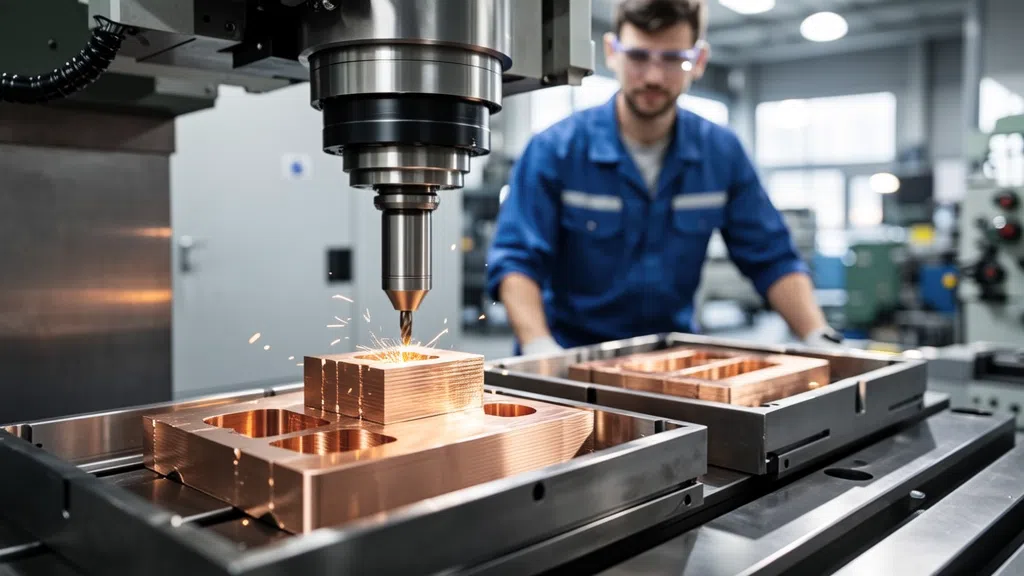
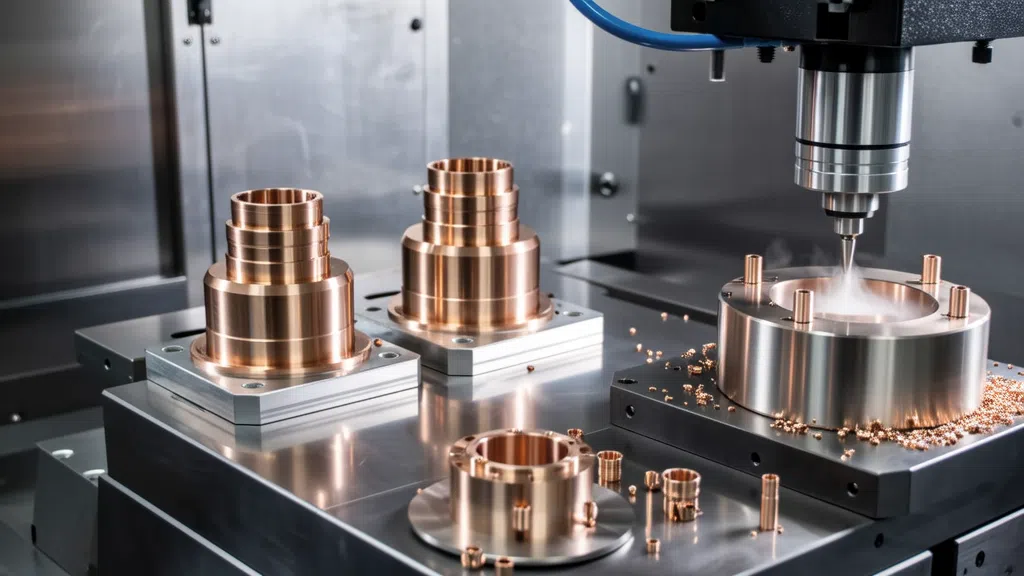
CNC stands for Computer Numerical Control, and it’s a technology that automates the control of machining tools. This can include milling machines, lathes, routers, and more. The beauty of CNC machining lies in its accuracy and efficiency. Unlike manual machining, CNC allows you to create precise parts with minimal human intervention. This means wasted materials and time can be drastically reduced.
For instance, I worked with a small manufacturer last year that was struggling with high labor costs and inconsistent product quality. After they adopted CNC machining, not only did their production speed double, but their error rate dropped significantly as well.
Why Should Shenzhen Small Businesses Consider CNC Machining?
How to Integrate CNC Machining into Your Operations
Transitioning to CNC machining may seem daunting, but breaking it down into steps can simplify the process.
Step 1: Assess Your Needs
Think about what you want to achieve. Are you looking to increase volume, improve quality, or reduce costs? Knowing your end goal will help determine the type of CNC machinery you need.
Step 2: Select the Right Equipment
Choosing the right CNC equipment is crucial. Research different CNC machines based on your needs and the materials you work with. You might find that investing in a multi-functional CNC machine will cover more of your requirements.

Step 3: Train Your Team
Employee training is essential when introducing CNC machines. Even if your team has experience with manual machining, they’ll need to learn how to operate CNC technology effectively. Many manufacturers offer training programs or tutorials to help with this.
Step 4: Start Small
Start by integrating CNC into a specific aspect of your production. This reduces overwhelm and allows you to gradually learn and adjust. For example, begin with a single product line before rolling it out company-wide.
Step 5: Monitor and Optimize
Once you start using CNC machining, keep an eye on the performance metrics. Track productivity improvements, quality enhancements, and cost savings. If something isn’t working as planned, don’t be afraid to pivot and make adjustments.
Real-World Success Stories
Fast forward to today, I’ve observed numerous small businesses in Shenzhen that have reaped the benefits of CNC machining. One manufacturer I know saw a 30% increase in production efficiency within a few months of switching to CNC. A lot of that success stems from their meticulous planning and gradual implementation of the technology.
I’ve also seen challenges, like when a business invested heavily in CNC without proper training and suffered from initial setbacks. This reinforces the importance of a well-planned transition.
Feel free to reach out if you’re interested in how CNC machining can work for you or if you have questions about starting this journey. Your feedback can be a great way to learn from each other and refine these processes!

What is CNC machining and how does it benefit small businesses?
CNC machining stands for Computer Numerical Control, and it’s all about automating the control of machines to create high-quality parts. This means small businesses can produce parts more quickly and accurately than manual processes.
By using CNC machining, small businesses can see reduced operational costs and improved product quality, making it easier to compete in today’s market.
How can we start integrating CNC machining into our operations?
Begin by assessing your specific production needs and goals. Knowing what you want to achieve helps in choosing the right CNC equipment that will fit your work process.
Once you’ve selected the appropriate machinery, it’s crucial to train your team effectively. A gradual approach to integrating CNC, starting with a single product line, can ease the transition and allow you to make necessary adjustments along the way.
What factors should we consider when choosing CNC equipment?
You should consider the types of materials you’ll be working with, the complexity of your designs, and, of course, your budget. Make sure to research various CNC machines to see which ones best address your needs.
Investing in a multi-functional machine may cover more areas of your production, saving you time and money in the long run.
Can you provide examples of small businesses that benefitted from CNC machining?
Absolutely! For example, one small business in Shenzhen saw a 30% increase in production efficiency after they switched to CNC technology. Their careful planning and training made all the difference.
However, I’ve also heard of businesses that faced issues because they rushed the process or neglected training, which highlights the importance of a well-thought-out transition.
How do we measure the success of CNC machining implementation?
Start by monitoring key performance metrics like production speed, error rates, and cost savings. These figures will help you see how well CNC machining is improving your operations.
Regularly assessing these metrics allows for adjustments and optimizations, ensuring that you’re getting the most out of your CNC machines.

 English
 German
 Turkish
 Spanish
 French