

Evaluating Machinery and Equipment
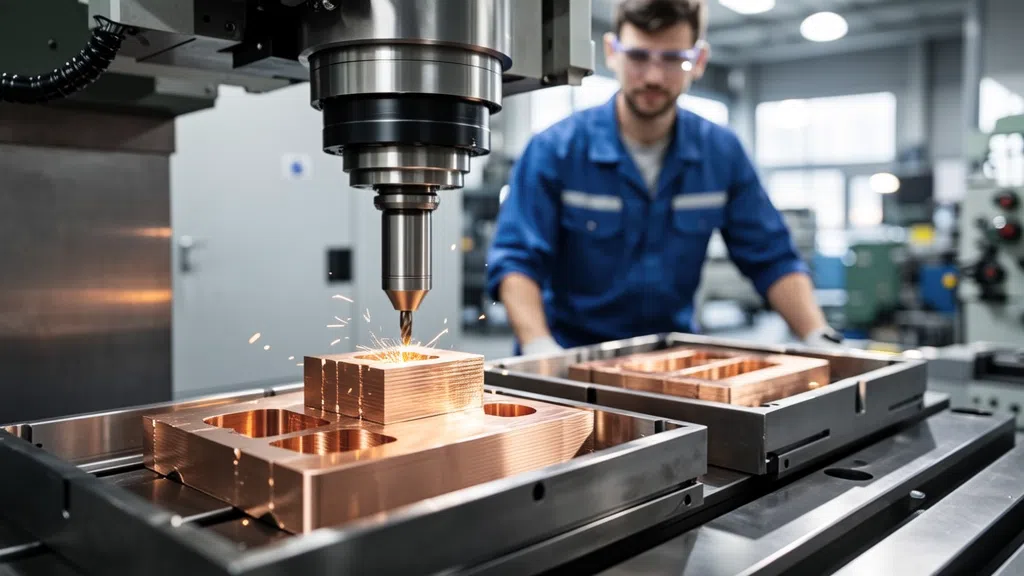
One of the first things to check is the machinery and equipment that the manufacturer has. Look for whether they have modern CNC machines capable of high precision. Older machines might not produce the same quality parts as their newer counterparts, which can affect your project’s outcome. I remember when I was helping a colleague source brass components; we visited a manufacturing facility that had recently upgraded their machines, and the difference in output quality was astounding.
Here are some specifics to pay attention to:
Workforce Expertise
Next, consider the experience and qualifications of the workforce. It’s not just about the machines; the skill of the operators is vital. A well-trained operator can significantly enhance the quality of the production runs. I’ve asked manufacturers about their training programs in the past, and it often leads to deeper insights into their operational efficiency.
When evaluating workforce expertise, consider the following:
Quality Control Measures
You cannot overlook the significance of quality control in a CNC machining facility. Having robust quality assurance processes in place is crucial to ensure that the final product meets your specifications. In my experience, manufacturers that enforce strict quality checks save a lot of time and headaches down the line.
Here’s what to check regarding quality control:

Production Capacity and Lead Times
Finally, understanding the overall production capacity and lead times is essential. A manufacturer might have state-of-the-art equipment and experienced personnel, but if their capacity is limited, you could end up waiting much longer than you anticipated.
Things to evaluate include:
Conclusion
Now that you have a more in-depth understanding of how to assess the production capacity of brass CNC machining manufacturers, you can approach your next procurement with confidence. Remember, the balance of machinery, workforce skills, quality control, and capacity will give you a comprehensive view, ensuring you select a partner that meets your project’s needs. If you follow these steps during your evaluation, you’ll likely have a more efficient process and a successful partnership in the long run.
| Criterion | Key Considerations | Importance |
|---|---|---|
| Machinery | Modern equipment brand, maintenance | High quality production |
| Workforce | Education, experience level | Quality and efficiency |
| Quality Control | Inspection tools, certifications | Consistency in quality |
| Production Capacity | Maximum output, lead times | Alignment with project timeline |
If you apply these insights, you’ll be well on your way to selecting a competent and reliable brass CNC machining partner.
What should I look for in machinery and equipment for brass CNC machining?
Start by checking if the manufacturer has modern CNC machines with high precision capabilities. Older equipment tends to yield lower quality parts, which can impact your project. In my experience, when we visited a facility that had state-of-the-art machines, the improvement in output quality was immediately noticeable.

Additionally, consider the brands they use, as some are well-respected in the industry for their reliability and performance.
How important is workforce expertise in brass CNC machining?
The expertise of the workforce is critical. Skilled operators can significantly influence the production quality. If you know the machine quality, it’s just as important to investigate the qualifications of the operators. Ask about their training programs and experience levels; a knowledgeable team typically delivers better results.
From my perspective, when manufacturers have staff with specialized training in CNC machining, it often leads to quicker problem-solving and enhanced productivity.
What role does quality control play in the production process?
Quality control is essential to ensure that parts meet specifications consistently. Verify whether the manufacturer uses advanced inspection tools like coordinate measuring machines. The quality processes in place can often be a differentiating factor between manufacturers.
Having quality certifications like ISO 9001 is also a strong indicator of a commitment to maintaining high standards throughout the production process.
How do I assess a manufacturer’s production capacity and lead times?
To gauge production capacity, ask manufacturers about their maximum output. Understanding how many pieces they can produce within a specific timeframe is crucial for planning your projects effectively.
It’s also important to clarify their lead times on different orders, as some manufacturers might have varying capacities based on the complexity of the parts. Getting this information upfront helps manage expectations.

 English
 German
 Turkish
 Spanish
 French