

Technical Capabilities
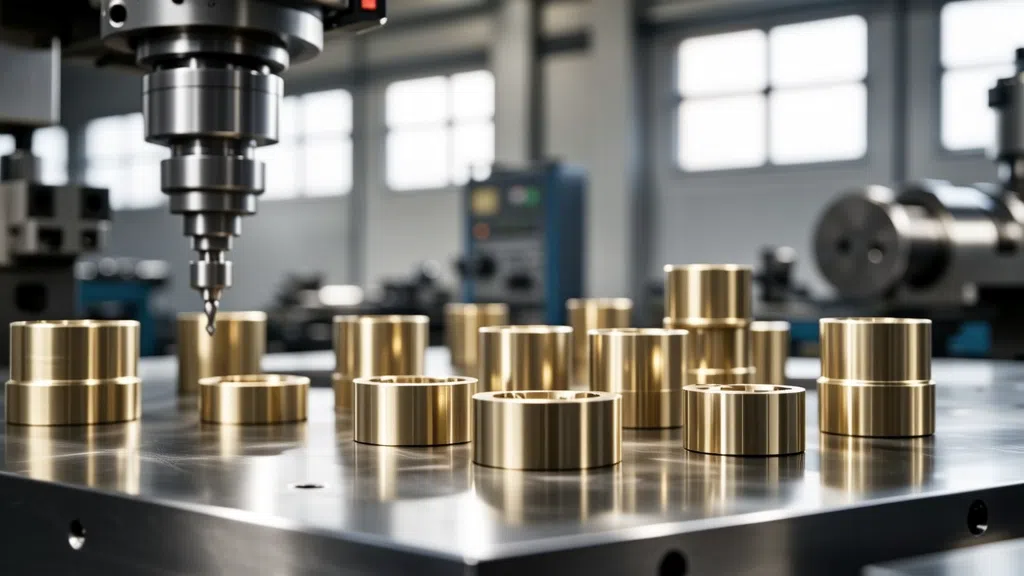
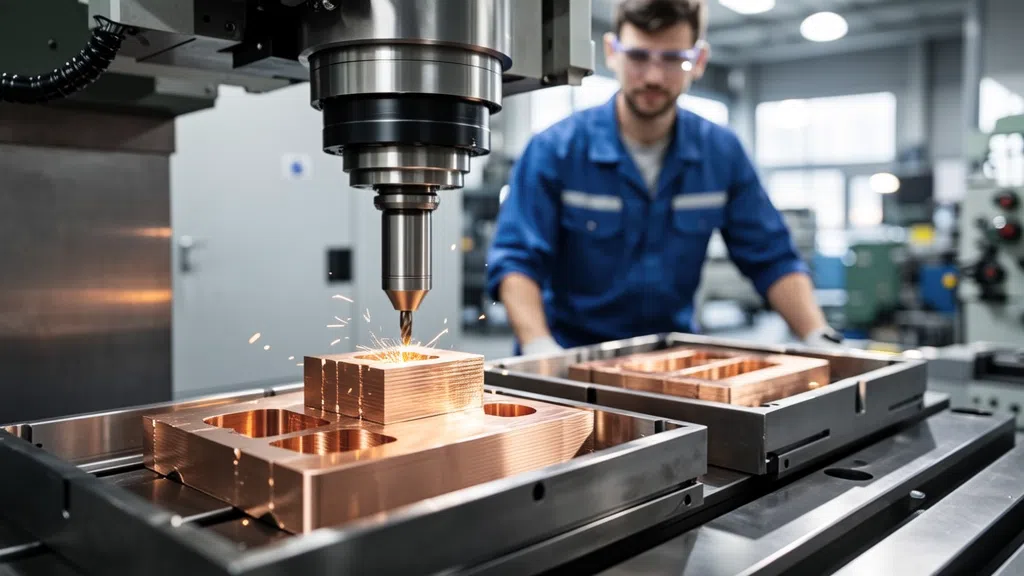
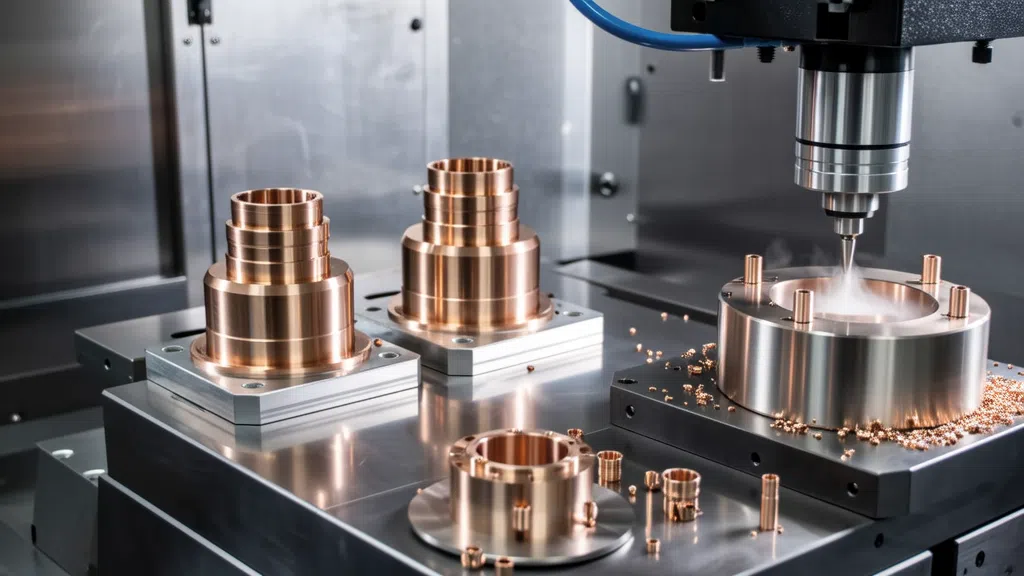
First things first, look for solid technical capabilities. The manufacturer should have advanced equipment that matches your project requirements. When I evaluate a potential machining partner, I assess whether they have the latest CNC technology, which can handle the precise and complex demands of brass machining. For instance, their machinery should support multiple axes and have the capability for multi-tasking operations. This not only ensures precision but also improves efficiency. If the manufacturer has limited capabilities, it can lead to compromised quality and longer lead times.
Quality Control Processes
Next up, quality control is absolutely vital. Ensure that the manufacturer implements rigorous quality assurance protocols. I recommend looking for certification to standards like ISO 9001, which indicates a commitment to quality management. It can be beneficial to ask for samples of previous work and check their compliance with industry standards prior to making a decision. This way, you can get a better idea of their craftsmanship. By prioritizing quality control, you can avoid costly errors and ensure the final product meets your specifications.
Experience and References
Another critical aspect is the manufacturer’s experience in the industry. Look for a partner with a proven track record in brass CNC machining. You may want to ask for case studies or references from past clients. Personally, I’ve found that manufacturers who have worked in similar industries or with comparable project scopes tend to understand the nuances better. Their experience can often lead to enhanced problem-solving skills, which is invaluable during production runs that may face unexpected challenges.
Cost Analysis
When discussing costs, transparency is key. Get detailed quotes that break down per-component pricing, labor costs, and any additional fees. Keep in mind that the lowest price isn’t always the best option. You want to balance cost with quality and reliability. In my experience, a slightly higher investment often leads to significant benefits in quality assurance and product longevity, which can save you money in the long run.
Communication and Customer Service
Lastly, effective communication is crucial for a successful partnership. Gauge the responsiveness of the manufacturer’s team during the initial discussions. Communication doesn’t stop once the contract is signed; it must be ongoing. I typically pay attention to how quickly and clearly my queries are answered. A partner who listens and adapts to your project needs will likely make the process smoother.

Data Visualization
To further support this discussion, here’s a quick comparison of important criteria when selecting your brass CNC machining partner:
| Criteria | Description | Importance |
|---|---|---|
| Technical Capabilities | Assessing machinery and technology capabilities. | Critical |
| Quality Control | Ensuring adherence to quality standards. | Essential |
| Experience | Industry history and previous project success. | Highly Important |
| Cost Analysis | Comprehensive breakdown of costs involved. | Very Important |
| Communication | Clarity and responsiveness during discussions. | Critical |
By considering these criteria and gathering the right information, you’ll be better positioned to choose a brass CNC machining partner that aligns with your project goals. If you take the time to weigh these factors carefully, you can avoid unnecessary headaches and ensure smoother project execution.
What technical capabilities should I look for in a brass CNC machining partner?
When choosing a brass CNC machining manufacturer, it’s crucial to evaluate their technical capabilities. This includes checking if they have the latest CNC technology that can handle complex demands, such as multi-axis operations.
Advanced machinery is a must, as it directly impacts the precision and efficiency of your projects. If a manufacturer doesn’t have up-to-date equipment, quality could suffer.
Why is quality control important in CNC machining?
Quality control is essential in CNC machining because it ensures the final product meets specified standards. A manufacturer with robust quality assurance processes can significantly reduce errors and defects in your projects.
Look for certifications like ISO 9001, as they indicate a commitment to maintaining high quality. Without this, you risk receiving subpar products that might not meet your requirements.
How can I determine a manufacturer’s experience in brass machining?
To gauge a manufacturer’s experience, ask for case studies or references from previous clients in similar industries. This gives you insight into their track record and how well they handle various projects.
Experience matters—manufacturers that have been in the business for several years often develop valuable problem-solving skills that can be beneficial when challenges arise during production.
What should I consider when analyzing costs from a CNC machining partner?
When reviewing costs, ensure you receive a detailed breakdown that includes material, labor, and any additional fees. Transparency is key, as it helps you understand where your money is going.
Remember, the lowest price is not always the best option; investing slightly more could lead to superior quality and long-term savings on rework and delays.
How important is communication with my CNC machining partner?
Effective communication is critical for a successful partnership. Pay attention to how quickly and openly a manufacturer addresses your questions during initial discussions.
A responsive team that values your input can make for a smoother project process, allowing for adjustments and updates along the way.

 English
 German
 Turkish
 Spanish
 French