
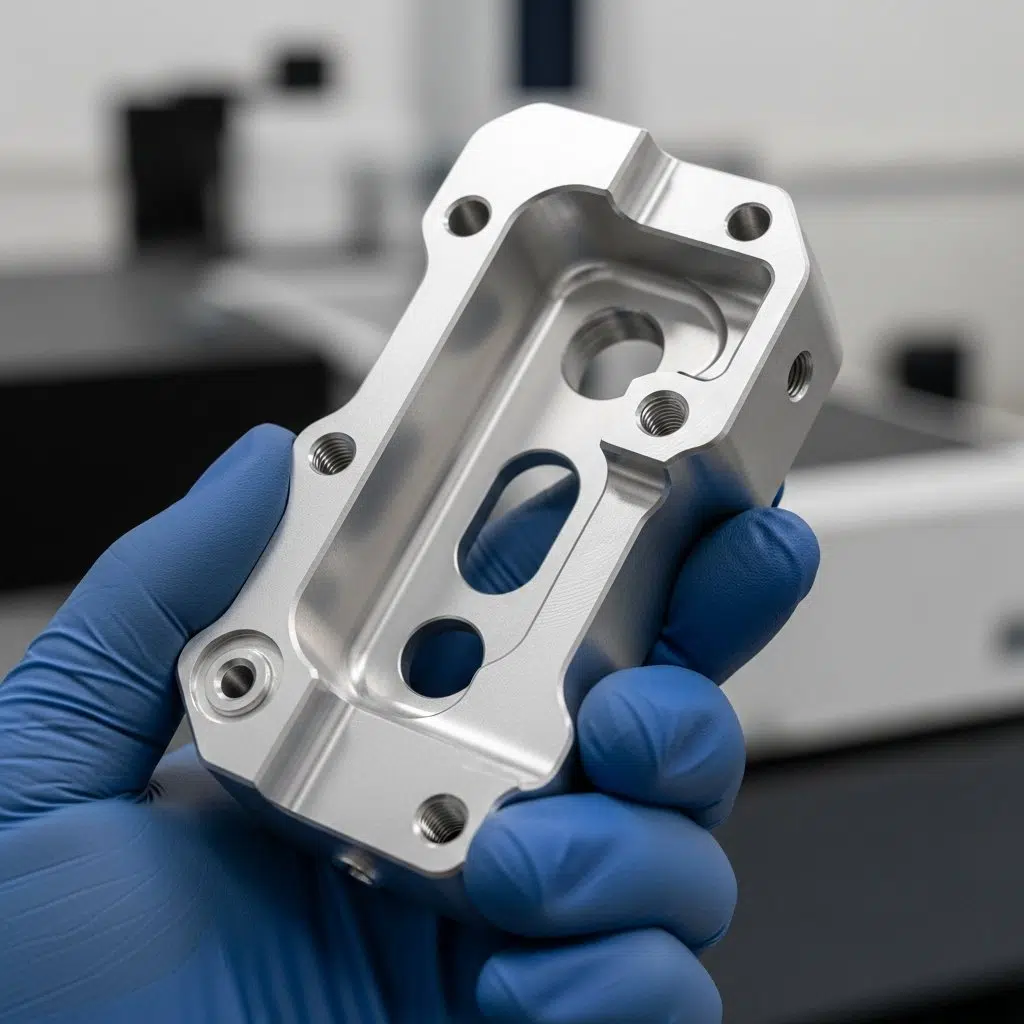

Selecting the optimal aluminum alloy is critical for superior Aluminum CNC machining, ensuring peak performance for custom aluminum CNC parts, precision aluminum machining, and cost-effective CNC machining.
Are you navigating the complex landscape of material selection for your precision aluminum parts, wondering if your chosen alloy truly optimizes performance and cost? The initial material choice for CNC machining is far more than a specification on a blueprint; it profoundly dictates machinability, surface finish, dimensional stability, and ultimately, the success of your project.
In our experience at ly-machining, understanding the nuances of aluminum alloys is the first step towards achieving exceptional custom aluminum CNC parts. This guide, from an engineer’s perspective, will demystify the critical factors influencing aluminum CNC machining, empowering you to make informed decisions that save time, reduce waste, and elevate the quality of your components.
Understanding Aluminum Alloys for CNC
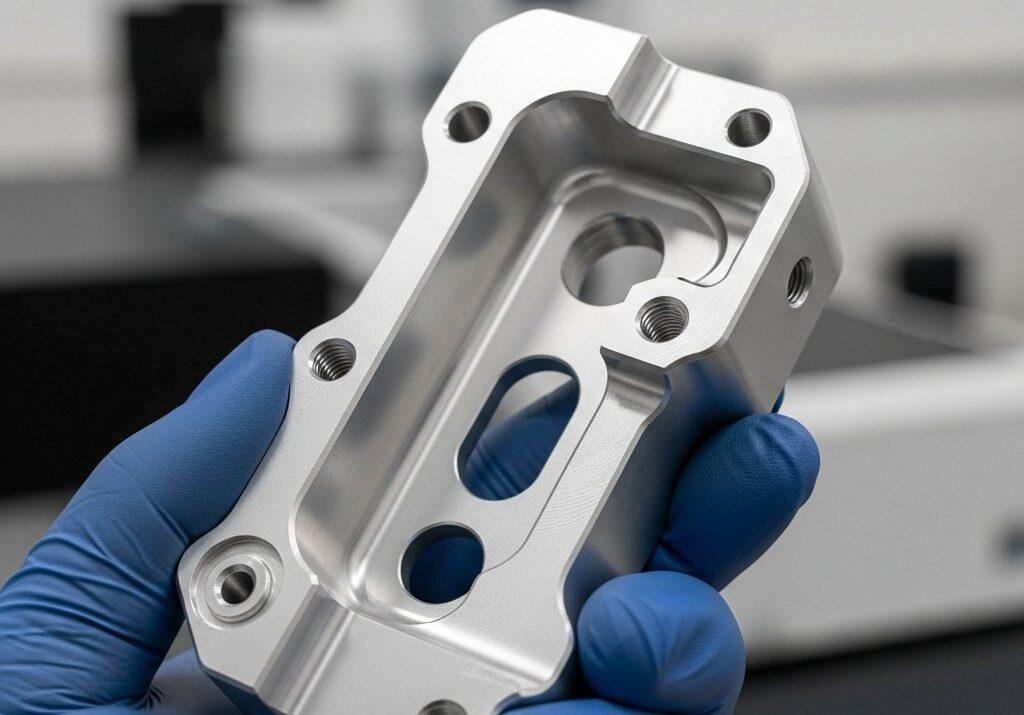
The foundation of successful custom aluminum CNC parts begins with a deep understanding of the materials themselves. Aluminum alloys are not monolithic; their unique compositions and heat treatments dictate their suitability for various applications and, crucially, their behavior during CNC machining.
Key Properties for Aluminum CNC Machining
When evaluating aluminum for precision aluminum machining, several key properties stand out. These characteristics directly influence how the material will respond to cutting tools, impacting everything from chip formation to final part integrity.
In our facility, we rigorously assess properties like strength, hardness, and thermal conductivity. For instance, a harder alloy might offer greater durability but will demand different toolpaths and feeds compared to a softer, more ductile variant.
| Property | Impact on CNC Machining |
|---|---|
| Strength | Influences cutting forces, potential for deformation. |
| Hardness | Dictates tool wear, chip formation, and achievable surface finish. |
| Ductility | Affects chip breakability; highly ductile alloys can create long, stringy chips. |
| Thermal Conductivity | Critical for heat dissipation, preventing thermal distortion during cuts. |
| Corrosion Resistance | Important for post-machining treatment and part longevity. |
Common Alloys for Custom Aluminum CNC Parts
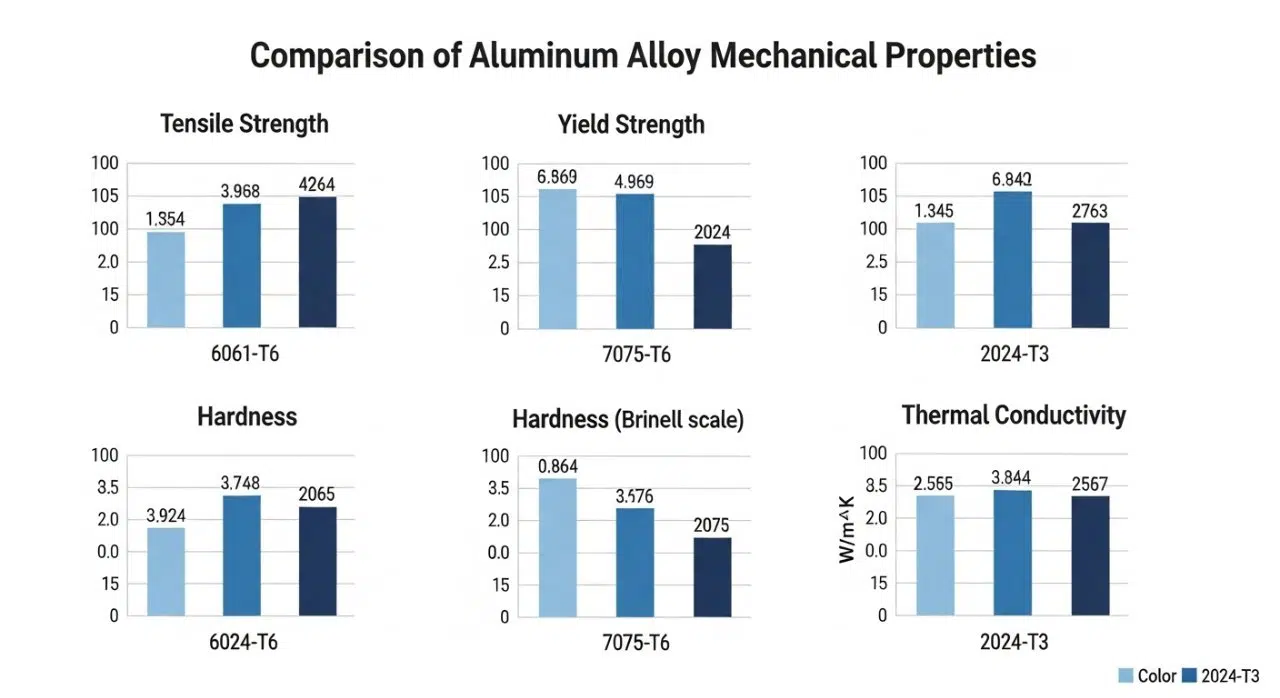
Several aluminum alloys are workhorses in custom aluminum CNC parts manufacturing, each offering a distinct balance of properties. Selecting the right one is paramount for optimal performance and cost-efficiency in CNC machining.
From the versatile 6061 to the high-strength 7075, we guide our clients through the trade-offs. Each alloy presents unique challenges and opportunities during precision aluminum machining.
| Alloy Type | Primary Advantages for CNC | Common Applications |
|---|---|---|
| 6061 | Excellent machinability, good strength/weight, weldable, anodizes well. | General purpose, automotive, structural, bicycle frames. |
| 7075 | Very high strength (comparable to steel), good fatigue resistance. | Aerospace, high-stress components, military. |
| 2024 | High strength, good fatigue resistance, but less corrosion resistant. | Aerospace structures, aircraft fittings. |
| 5052 | Excellent corrosion resistance (especially marine), good formability. | Marine, chemical equipment, fuel tanks. |
| 7050 | Superior strength and stress-corrosion cracking resistance to 7075. | High-performance aerospace applications, thick plate sections. |
Temper Designations in Aluminum CNC Machining
Aluminum temper designations, such as T6 or O, denote the specific heat treatment and mechanical working applied to an alloy. This processing fundamentally alters the material’s properties, which, in turn, critically affects its machinability.
A 6061-T6 alloy, for example, will behave very differently under a cutting tool than 6061-O (annealed) due to significant differences in hardness and internal stress. Understanding these temper states is crucial for setting optimal CNC machining parameters.
| Temper Designation | Description | Impact on Machinability |
|---|---|---|
| O (Annealed) | Softest, highest ductility, lowest strength. | Can lead to gummy chips, built-up edge. |
| T4 | Solution heat-treated, naturally aged. | Moderate strength, good machinability. |
| T6 | Solution heat-treated, artificially aged. | High strength, good machinability, common for CNC. |
| T73/T7351 | Overaged for improved stress-corrosion resistance. | Slightly lower strength than T6, good machinability. |
Impact of Alloy on Machining Performance
The choice of aluminum alloy profoundly influences every aspect of CNC machining performance. Our engineers carefully consider these factors to ensure high-quality parts and efficient production.
From tool life to surface finish, the material’s inherent characteristics drive our process optimization. This critical understanding ensures we deliver precision aluminum machining consistently.
Chip Formation & Tool Wear in CNC Machining
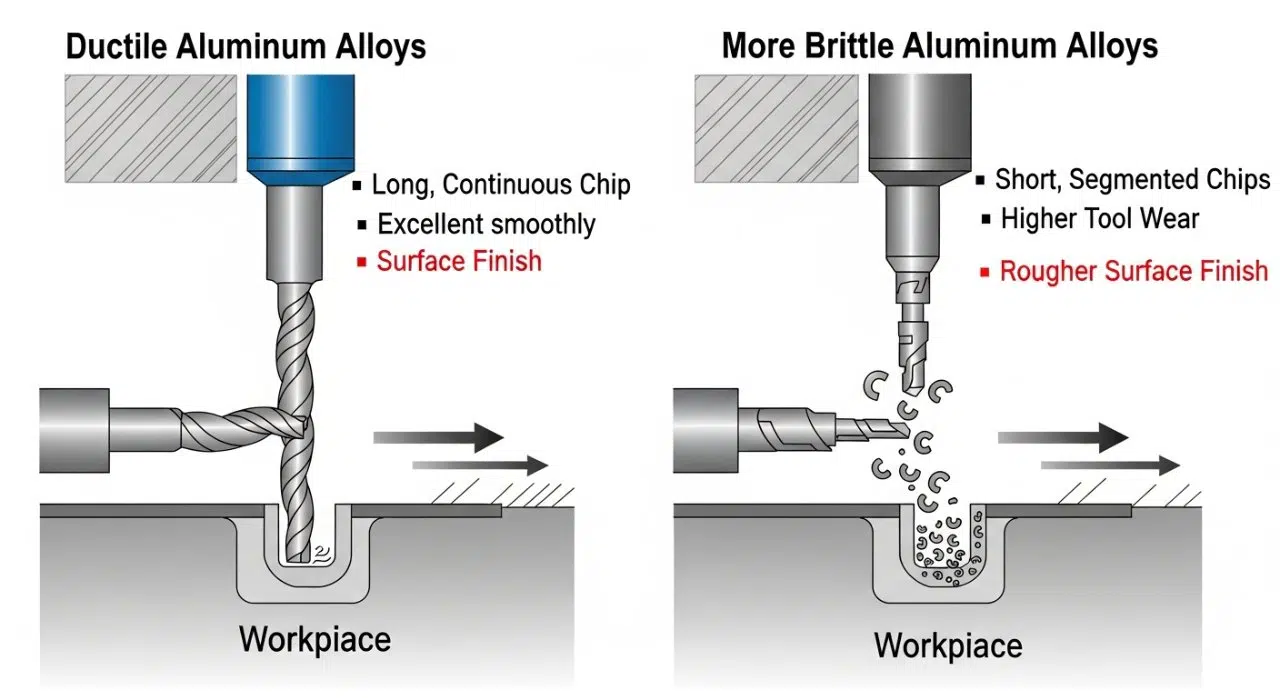
Different aluminum alloys produce distinct chip characteristics during CNC machining. Ductile alloys tend to generate long, stringy chips that can wrap around tools, causing recutting, poor surface finish, and accelerated tool wear.
Brittle alloys, on the other hand, produce short, well-broken chips that clear easily from the cutting zone, enhancing tool life and machining efficiency. Optimizing tool geometry and cutting parameters is essential to manage chip formation effectively across various alloys.
Surface Finish for Precision Aluminum Parts
Achieving the desired surface finish on precision aluminum parts is a direct function of the alloy’s composition and the machining parameters. Some alloys naturally lend themselves to a smoother finish, while others require more aggressive speeds and feeds, or specialized tools, to prevent issues like burring or smearing.
For example, 6061-T6 generally machines to a good surface finish with proper techniques, whereas some softer alloys might present challenges due to their gummy nature. Our expertise in aluminum CNC machining allows us to fine-tune processes for optimal results.
Dimensional Stability in Aluminum CNC Parts
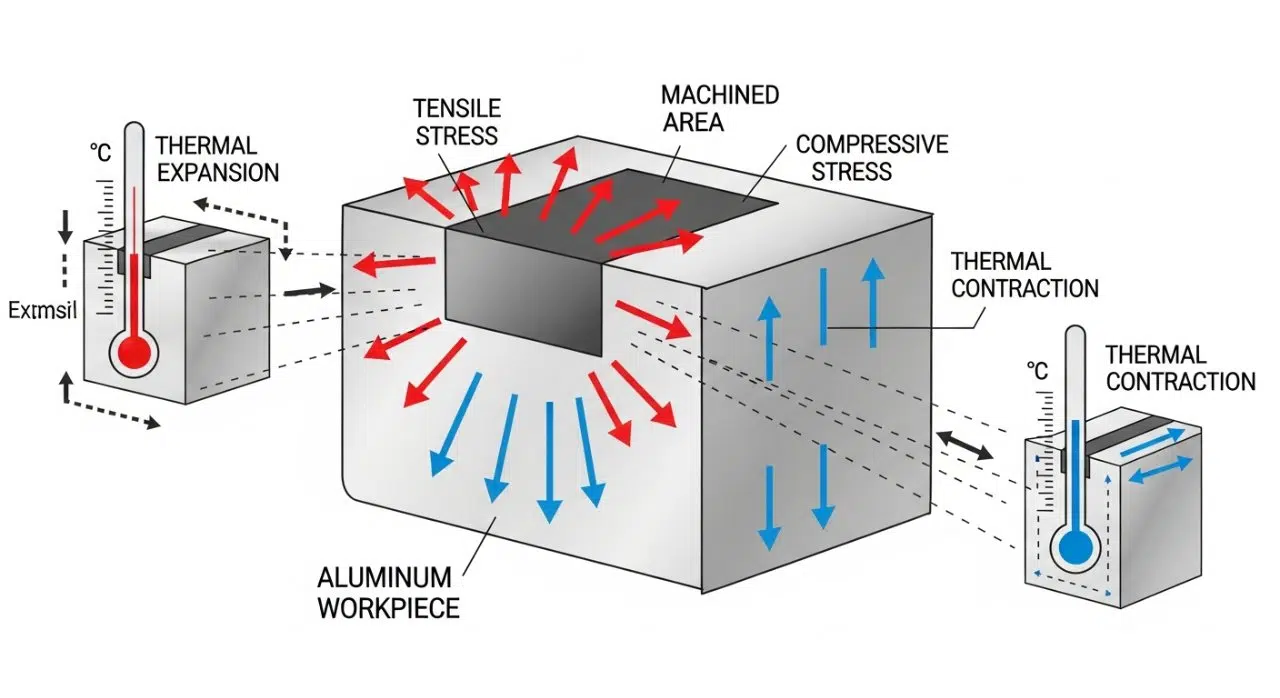
Dimensional stability is critical for precision aluminum parts, especially for components with tight tolerances. Residual stresses introduced during alloy manufacturing or heat treatment can cause distortion during or after CNC machining, particularly when significant material is removed.
Furthermore, aluminum’s relatively high coefficient of thermal expansion means temperature fluctuations during machining can lead to inaccuracies. Alloys with lower internal stresses and stable microstructures are often preferred for highly critical applications.
Heat Management in Aluminum CNC Machining
Aluminum’s excellent thermal conductivity is generally advantageous for heat management during CNC machining, allowing heat to dissipate rapidly from the cutting zone. However, this also means the entire workpiece can heat up, leading to thermal expansion and potential dimensional inaccuracies if not properly managed.
Effective coolant strategies, optimized feed rates, and consideration of the alloy’s specific thermal properties are crucial. For example, machining high-strength alloys that generate more heat requires more robust cooling solutions.
Selecting Optimal Alloys for CNC
Choosing the perfect aluminum alloy involves a multi-faceted approach, balancing performance requirements with practical considerations like cost and manufacturability. This strategic selection is where our deep expertise in custom aluminum CNC parts truly shines.
We partner with our clients to analyze their specific needs, ensuring the alloy chosen not only meets technical specifications but also aligns with project budgets and timelines. Precision aluminum machining starts with the right material decision.
Application-Specific Aluminum CNC Machining
The optimal aluminum alloy is highly dependent on the application’s specific demands. Aerospace components require high strength-to-weight ratios and often stringent fatigue resistance, making alloys like 7075 or 2024 ideal.
For automotive parts where corrosion resistance and weldability are important, 6061 or 5052 might be preferred. We analyze functional requirements, operating environments, and stress loads to recommend the best fit for your custom aluminum CNC parts.
Cost vs. Performance in Aluminum CNC Machining
The decision-making process often involves a delicate balance between material cost and required performance. High-strength alloys like 7075 are inherently more expensive than 6061, and their machinability can also lead to higher tool costs and longer cycle times for complex geometries.
However, compromising on material performance for cost savings can lead to part failure or reduced product life, incurring greater long-term expenses. We help clients navigate this trade-off, ensuring the most cost-effective solution without sacrificing quality in precision aluminum machining.

Environmental Factors for Precision Aluminum Parts
Beyond mechanical properties, environmental factors play a significant role in alloy selection. Components exposed to harsh conditions, such as saltwater or corrosive chemicals, demand alloys with superior corrosion resistance like 5052 or specific temper treatments of 7075.
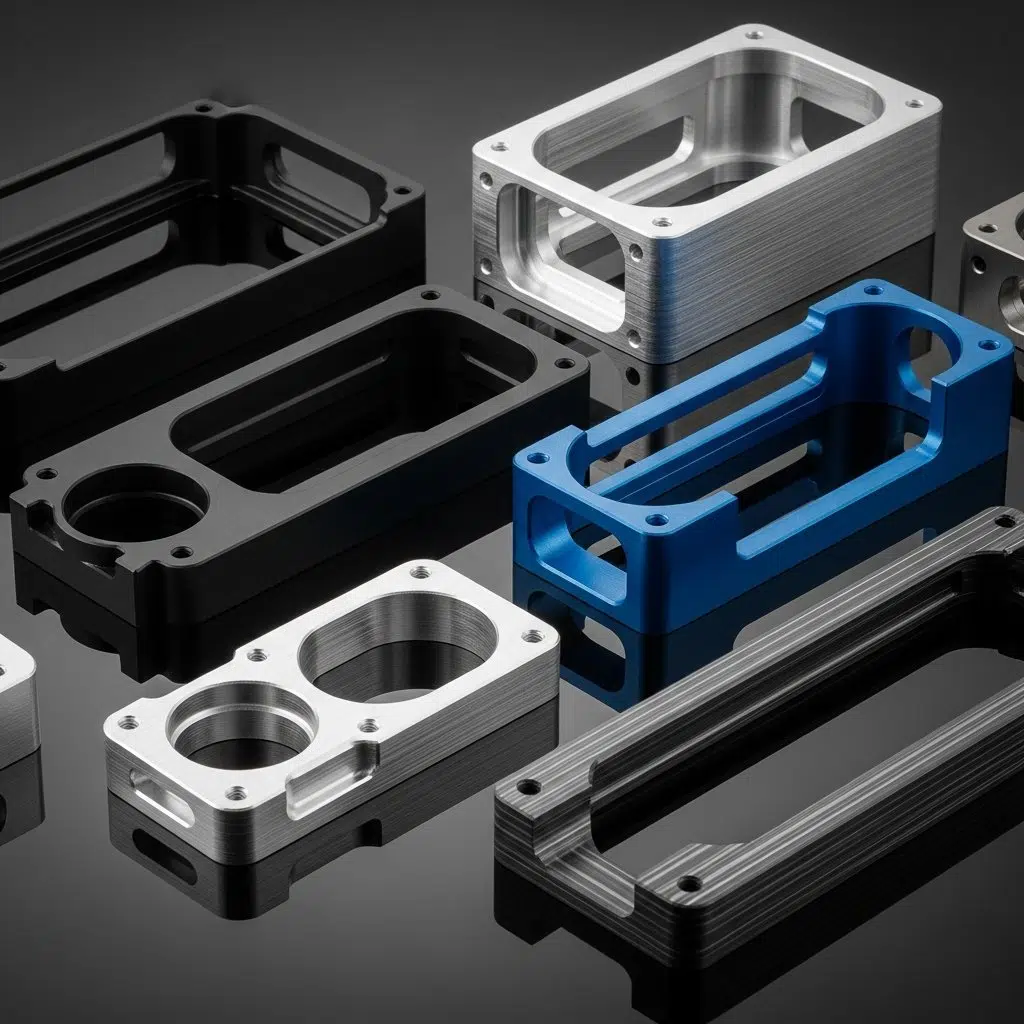
Additionally, surface finishing requirements, such as anodizing or plating, influence alloy choice. Some alloys anodize more uniformly or achieve specific aesthetic finishes more readily than others, which is crucial for custom aluminum CNC parts.
Testing & Validation for Aluminum CNC Parts
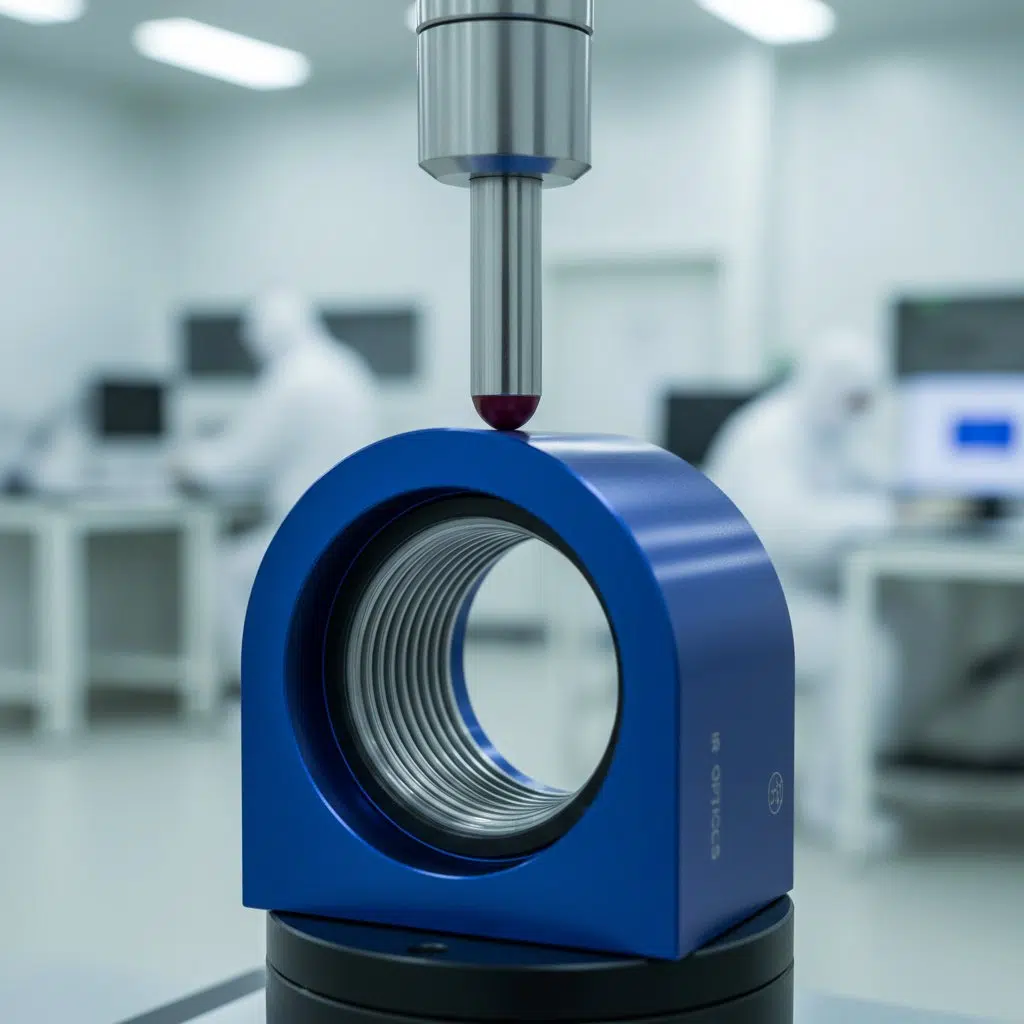
Thorough testing and validation are indispensable steps in our aluminum CNC machining process. This includes verifying material certifications upon receipt, conducting in-process dimensional checks, and performing post-machining inspections to ensure adherence to all specifications.
For critical applications, prototyping with the chosen alloy and simulating operational conditions can identify potential issues early. Our robust quality control systems, aligned with industry standards like ISO 9001 and AS9100, ensure every part meets the highest quality benchmarks.
Our Expertise in Aluminum CNC Machining
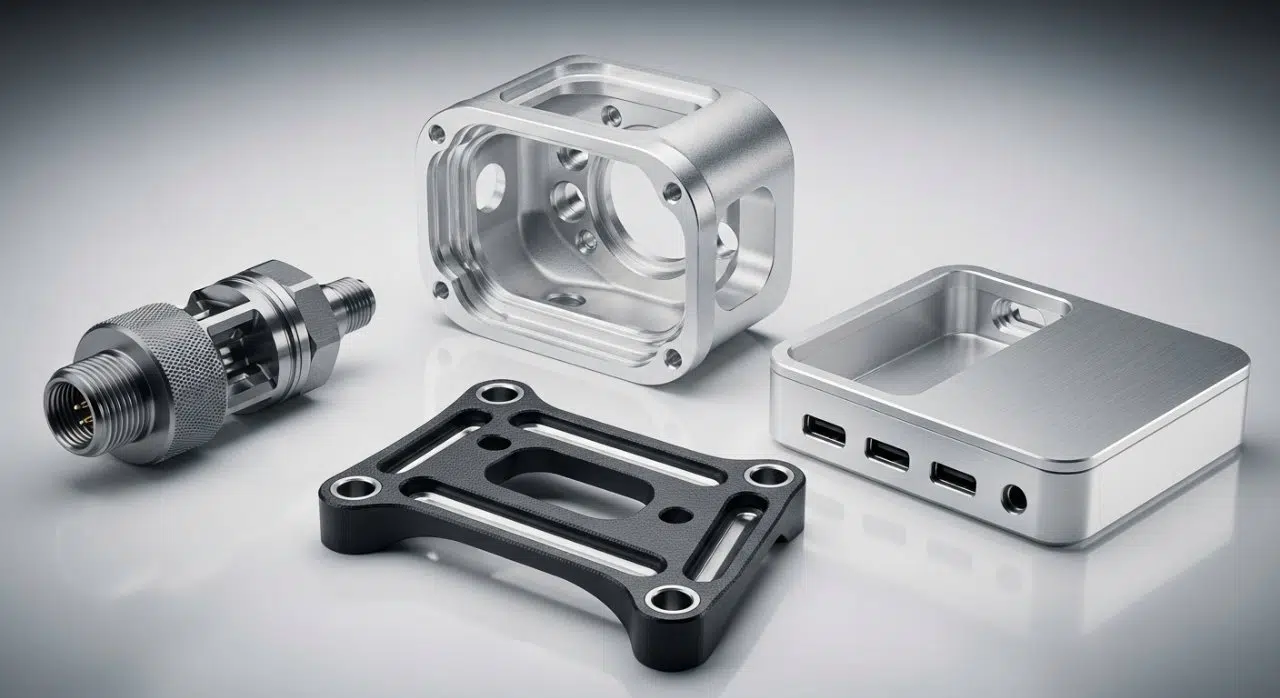
At ly-machining, our legacy is built on a deep commitment to precision, quality, and technical mastery in aluminum CNC machining. We are not just a service provider; we are your strategic partner.
Our extensive experience ensures that every custom aluminum CNC part we produce meets the most demanding specifications. We combine state-of-the-art technology with the unparalleled expertise of our engineering team.
Advantages of Our Aluminum CNC Machining
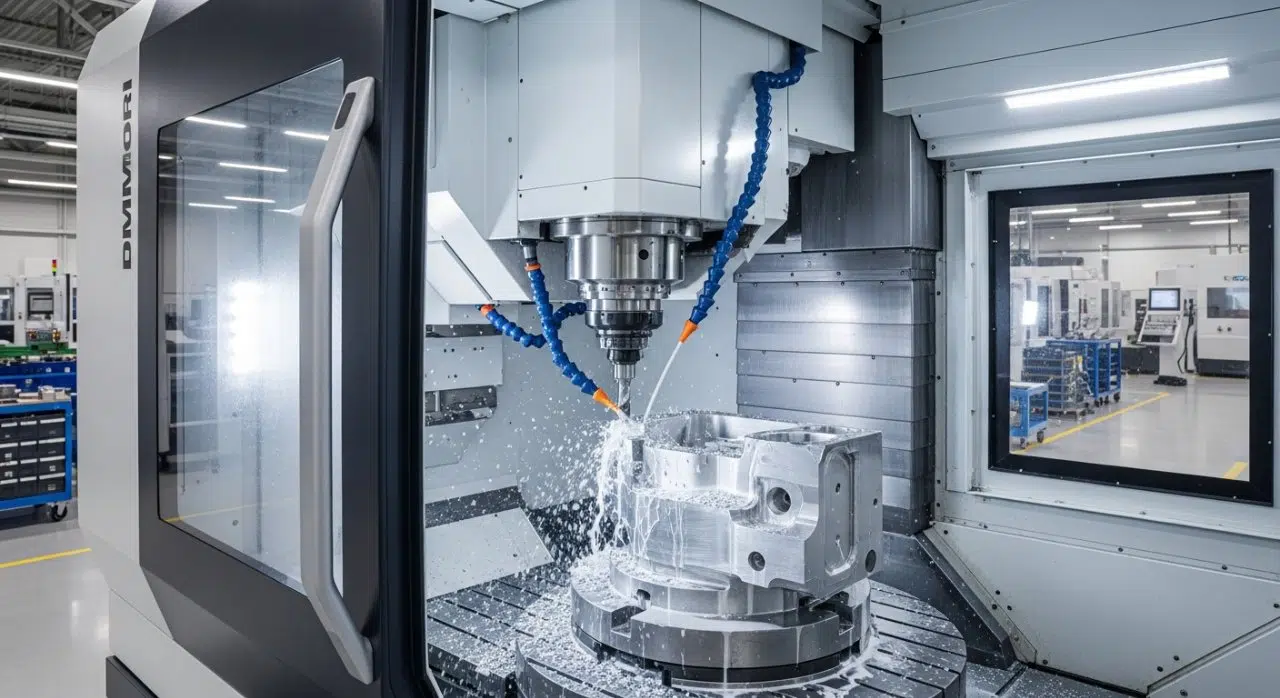
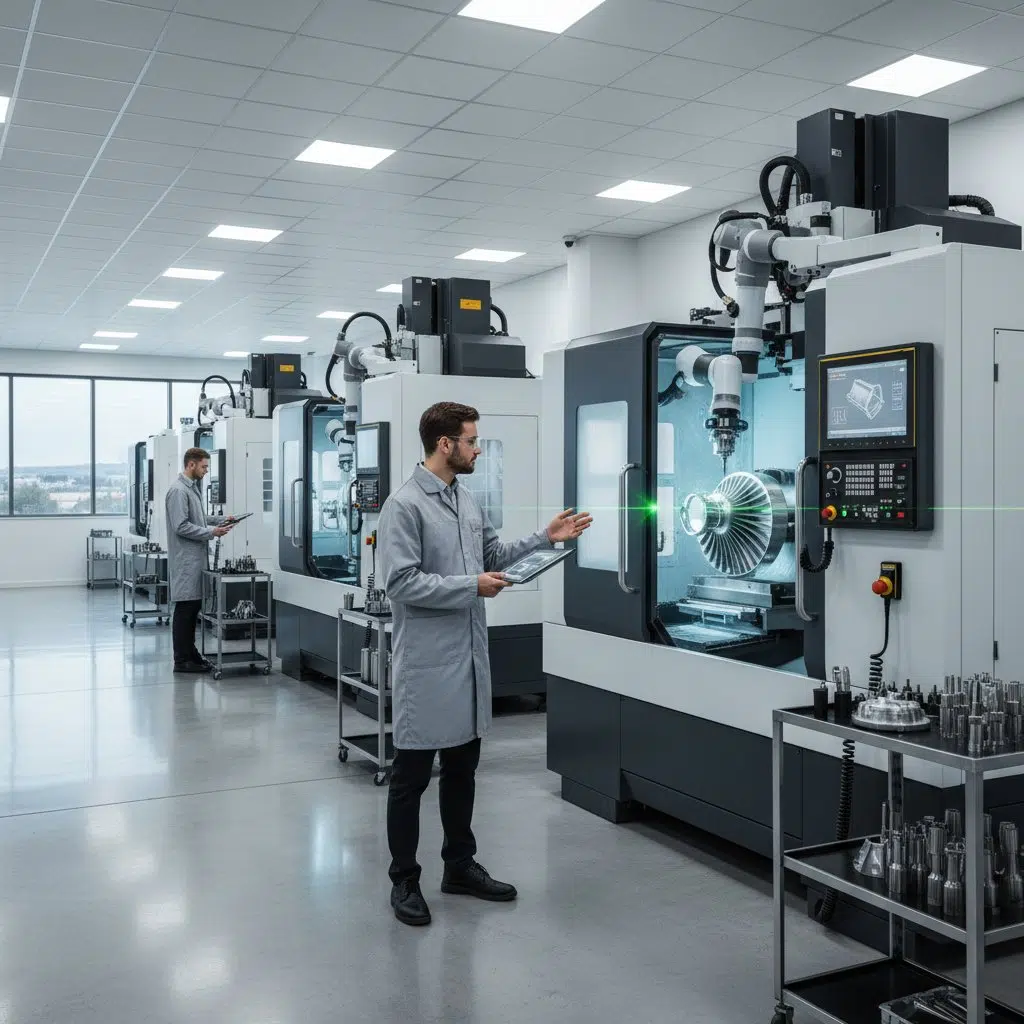
Our distinct advantages in aluminum CNC machining stem from decades of hands-on experience and continuous investment in advanced technology. We leverage multi-axis CNC machines, sophisticated CAD/CAM software, and a highly skilled workforce.
This enables us to tackle complex geometries, maintain ultra-tight tolerances, and consistently achieve superior surface finishes. For custom aluminum CNC parts, our capabilities translate directly into reliable performance and exceptional quality.
Transparent Pricing for Custom CNC Parts
We believe that trust is built on clarity, especially when it comes to cost. Our transparent pricing model for custom CNC parts provides detailed breakdowns, eliminating hidden fees and ensuring you understand the value behind every quote.
We account for material costs, machining time, tooling, and post-processing, providing a comprehensive and competitive proposal. This commitment to transparency empowers you to make informed budgetary decisions for your precision aluminum machining projects.
Source Manufacturer for Aluminum CNC Parts
As a source manufacturer, ly-machining offers unparalleled control over every stage of your aluminum CNC parts production. From material sourcing and validation to final inspection, every process is managed in-house under strict quality protocols.
This integrated approach guarantees consistent quality, reduces lead times, and allows for greater flexibility in meeting specific project requirements. Partnering with a source manufacturer provides direct access to expertise and ensures seamless execution of your custom aluminum CNC parts.
Your Partner in Precision Aluminum Parts
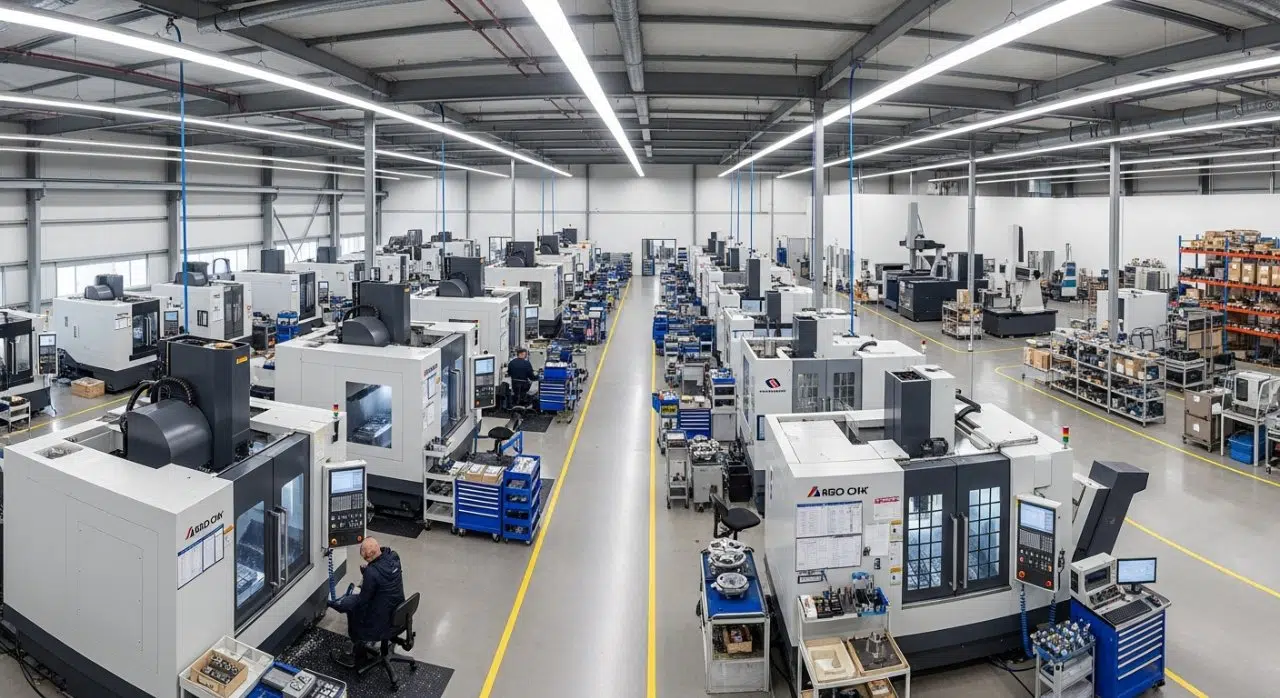
Choosing the right partner for your precision aluminum parts is as crucial as selecting the right alloy. At ly-machining, we are dedicated to providing not just manufacturing services, but expert guidance and support.
We are committed to helping you achieve optimal performance and value for every custom aluminum CNC part. Our team stands ready to transform your designs into reality with unparalleled precision.
Start Your Precision Aluminum Machining Project
Ready to elevate your next project with expertly selected aluminum alloys and precision aluminum machining? Don’t leave your material and manufacturing decisions to chance. Our team of experienced engineers is here to assist.
We are prepared to collaborate, offering insights and solutions tailored to your unique requirements for custom aluminum CNC parts. Experience the difference that deep technical expertise and a commitment to quality can make.
Case Study: Optimizing Lightweight Aerospace Bracket Performance
Problem: An aerospace client required lightweight yet extremely strong brackets for a new aircraft prototype. Their initial design specified 6061-T6 for its machinability, but simulation showed it narrowly met the strength requirements, with concerns about fatigue life under operational stresses. They needed improved performance without significant weight increase.
Our Solution: Our engineers conducted a comprehensive material analysis, recommending a shift to 7075-T7351. This alloy offered superior strength and, crucially, enhanced resistance to stress-corrosion cracking and fatigue compared to 6061-T6, while retaining good machinability characteristics when proper parameters were applied. We worked closely with their design team to optimize the bracket’s geometry for the new material.
Result: The use of 7075-T7351 significantly boosted the bracket’s performance, exceeding the required strength and fatigue life targets without any design changes that would add weight. This strategic material choice, combined with our precision aluminum machining capabilities, ensured the client’s prototype components were robust, reliable, and met stringent aerospace standards, enabling them to move forward confidently with testing.
Ready to optimize your next project with the perfect aluminum alloy and precision aluminum machining? Don’t leave your material selection to chance. Contact our expert engineers today for a free, no-obligation consultation on your specific custom aluminum CNC parts requirements and receive a transparent quote. Leverage our deep technical expertise and source manufacturer advantage for high-quality parts.
FAQ Section
Which aluminum alloy is easiest to machine?
In our experience, 6061-T6 is generally considered one of the easiest aluminum alloys to machine. Its balanced properties lead to predictable chip formation and a good surface finish, making it a common choice for custom aluminum CNC parts.
How does alloy choice affect CNC tool life?
The hardness and abrasiveness of an aluminum alloy directly impact CNC tool life. Harder alloys like 7075 can cause faster tool wear, requiring more robust tooling or adjustments to cutting speeds and feeds, which is a key consideration for precision aluminum machining.
Can you help with material selection for my project?
Absolutely. Our engineers specialize in guiding clients through the complex process of aluminum alloy selection. We assess your application’s specific requirements to recommend the optimal material for your custom aluminum CNC parts, ensuring both performance and cost-effectiveness.
 English
 German
 Turkish
 Spanish
 French