

When you think about CNC machining in Shenzhen, you might wonder why this place has become such a popular hub for manufacturing. I remember when I first heard a friend talk about their project that was completely transformed thanks to CNC machining; it really opened my eyes to the incredible advantages this technology brings.
Precision and Accuracy
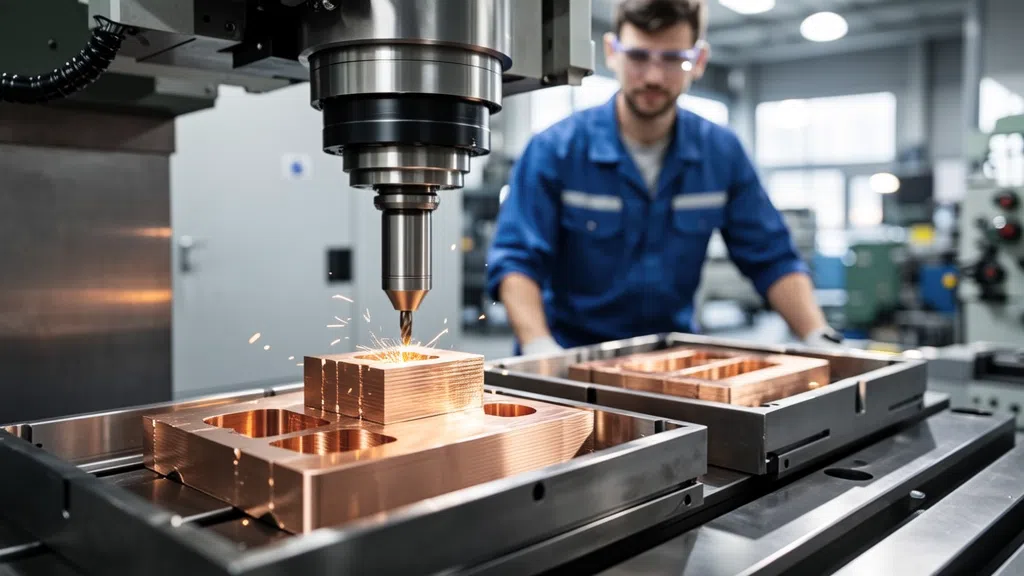
CNC machining is known for its exceptional precision and accuracy, which is critical in various industries. Every component manufactured using CNC machines is created to exact specifications, reducing the chances of errors. This means that if you order 1,000 parts, each one will match the original design perfectly. I once had a client who needed custom parts for a robotic assembly line. After switching to CNC machining, the parts not only fit better but also improved the overall efficiency of the assembly process.
According to the latest insights from industry experts, CNC machining can achieve tolerances of ±0.01 mm or even tighter, depending on the machine and the material used. This level of precision is indispensable in sectors like aerospace, automotive, and medical device manufacturing. When every millimeter counts, you really can’t afford to cut corners.
Speed and Efficiency
Another major advantage is the speed of production. CNC machines can operate continuously, allowing manufacturers to produce large quantities within a short time. For example, my team at ly-machining often runs multiple shifts, letting us deliver orders faster than traditional machining methods. There’s a significant reduction in lead time, which ultimately helps businesses lower their operational costs.
Imagine you’re racing against a tight deadline; CNC machining can save your day. For instance, in the electronics sector, where rapid prototyping is vital, the ability to create parts quickly can give companies a real edge. I’ve seen a start-up accelerate its product development timeline by 30% just by switching to CNC processes.

Versatility in Applications
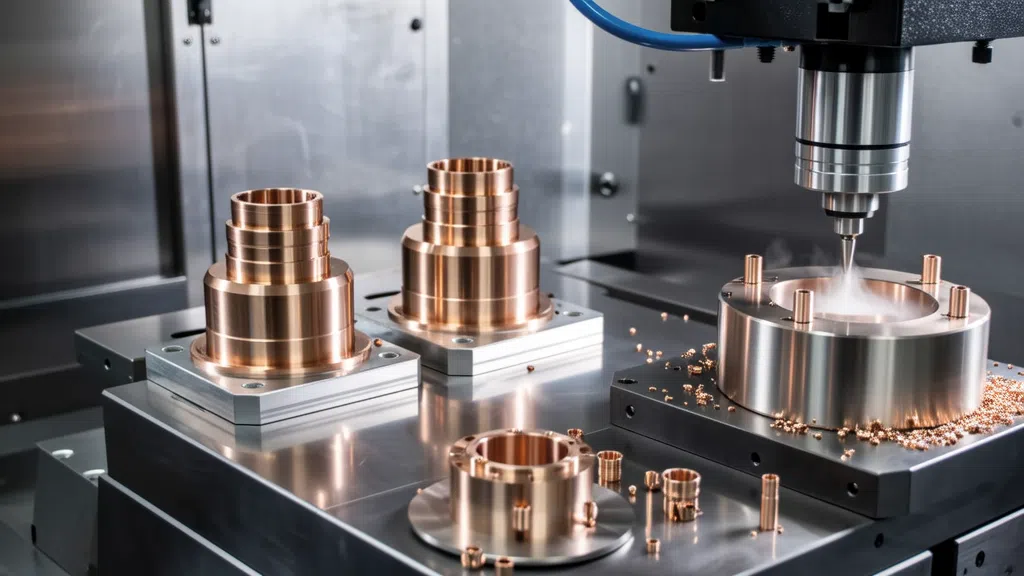
CNC machining is incredibly versatile. You can use it to work with a wide range of materials, including metals, plastics, and composites. Whether you need intricate machine parts or simple brackets, CNC can handle it all. I’ve worked on projects ranging from basic components to complex assemblies, and every time, it’s made the job easier.
Shenzhen’s CNC machining capabilities extend into various applications such as automotive components, medical devices, consumer electronics, and even custom furniture. Each industry benefits from the unique advantages of CNC machining, making it a go-to option for many manufacturers.
| Application Area | Advantages |
|---|---|
| Aerospace | High precision and lightweight parts |
| Automotive | Customization and rapid prototyping |
| Medical Devices | Critical safety components with tight tolerances |
| Electronics | Fast turnarounds for product launches |
Cost-Effectiveness
While some might think that CNC machining is more expensive upfront, the long-term savings often outweigh the initial investment. Think about it this way: By minimizing waste and enhancing efficiency, companies can save money on materials and labor. I spoke to an acquaintance who ran a small machine shop, and after upgrading to CNC equipment, they found their costs had reduced by up to 20% within a few months.
Moreover, the ability to create complex designs without the need for extensive manual labor reduces the overall cost of production. You’re not just paying for parts; you’re investing in quality and reliability.

Tech Integration
Lastly, the integration of technology enhances the machining process even further. Advanced software allows for easy design modifications and simulations, making it easier to perfect a project before any physical production starts. I recall a project where we used CAD software to simulate the machining process, catching potential issues before they became costly mistakes. This proactive approach is another reason why CNC machining is preferred in Shenzhen.
The combination of all these advantages—precision, speed, versatility, cost-effectiveness, and tech integration—makes CNC machining an invaluable resource for manufacturers in Shenzhen. It’s not just about making parts; it’s about delivering quality and efficiency that keep businesses competitive. If you’re exploring manufacturing options, CNC machining may just be the game-changer you’ve been looking for.
What are the key benefits of CNC machining in Shenzhen?
CNC machining offers numerous benefits like precision, speed, and versatility. In Shenzhen, you can expect top-notch accuracy that can achieve tolerances of ±0.01 mm or even tighter, crucial for industries like aerospace and medical devices.
Additionally, the speed of production is impressive. CNC machines can operate continuously, allowing businesses to meet tight deadlines and considerably reduce lead times.

How does CNC machining improve efficiency in production?
CNC machining significantly boosts efficiency by reducing manual labor and minimizing errors. With automated processes, you can produce larger quantities quickly without sacrificing quality.
I’ve seen many companies cut their production times by as much as 30% after switching to CNC methods. This allows them to respond to market demands much faster than before.
Can CNC machining be used for different types of materials?
Absolutely! One of the fantastic aspects of CNC machining is its versatility. It can work with a wide range of materials, such as metals, plastics, and composites. This makes it suitable for various applications across multiple industries.
Whether you need parts for automotive, electronics, or even custom furniture, CNC machining can handle the job efficiently.
What is the cost-effectiveness of CNC machining?
Many might think CNC machining is costly, but it can actually save money in the long run. By reducing waste and enhancing operational efficiency, companies often see savings on materials and labor.
Several businesses report reductions in overall production costs by up to 20% after transitioning to CNC processes, making it a worthwhile investment.
How does technology play a role in CNC machining?
Technology adds a significant dimension to CNC machining through advanced software for design and simulation. This means you can make modifications before production starts, catching any potential issues early on.
For example, using CAD software can help you visualize the machining process and identify errors that could lead to costly mistakes.

 English
 German
 Turkish
 Spanish
 French