

Technical Capabilities
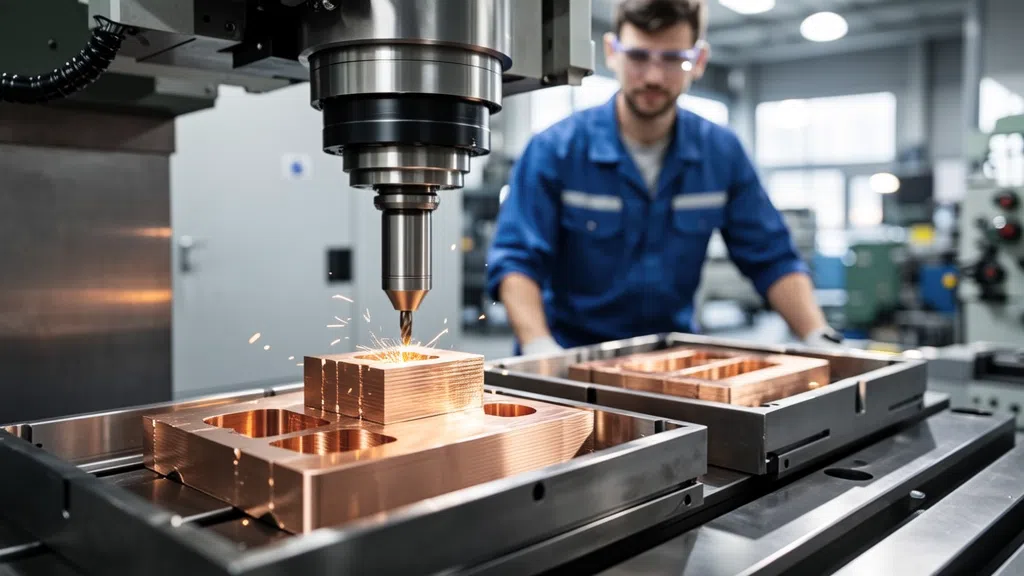
First up, let’s talk about technical capabilities. Does the manufacturer have the right equipment? It’s essential to know the specifics of the machinery they use. For instance, high-precision milling machines can ensure tight tolerances, which are crucial for many stainless steel parts. I remember a time when a friend of mine went with a company that boasted about their equipment, but it turned out to be outdated. The result? Subpar parts and countless reworks.
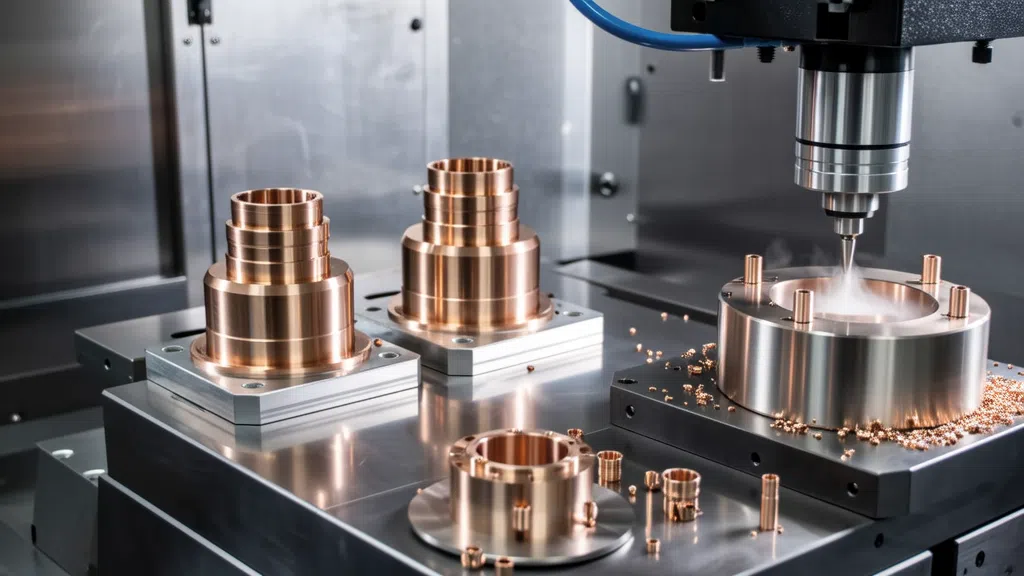
Another point to think about is whether they can handle complex designs and various finishes. Depending on your project, you might need different machining processes such as CNC turning, milling, or even laser cutting. If a manufacturer engages in multiple processes, it generally indicates a more versatile operation, and this could save you time and effort in the long run.
Quality Control Processes
Next, let’s chat about quality control. How does the manufacturer ensure that their products meet necessary specifications? Look for certifications like ISO 9001, which indicates an established quality management system. It’s something I always suggest checking because it shows that the company has undergone rigorous quality checks.
You should also inquire about their inspection methods. Do they use modern equipment such as CMM (Coordinate Measuring Machines) for accurate measurements? The more advanced their quality control practices, the better your chances are of getting the right components every time.
Customer Service and Communication
Lastly, effective communication can make or break your experience with a manufacturer. You want a partner who keeps you in the loop. How easily can you reach them if you have questions or need updates on your project? Quick and responsive customer service is often an indicator of how a manufacturer values its clients.
I’ve seen companies lose valuable time due to slow communication, which impacts project timelines. When reaching out to potential manufacturers, pay attention to their responsiveness. If they are eager to answer your questions and provide the information you need upfront, that’s a good sign.

In summary, keep these criteria close as you evaluate your options. Look for manufacturers that showcase not just technical expertise and quality assurance but also prioritize customer service—because a smooth collaboration often leads to successful projects. You may find that your decision-making process becomes a lot easier with these concrete standards in mind, leading to a more satisfying partnership.
| Criteria | Importance | Tip |
|---|---|---|
| Technical Capabilities | High | Check for modern machinery |
| Quality Control | Critical | Inquire about certifications |
| Customer Service | Very Important | Evaluate response times |
Finding a reliable stainless steel CNC manufacturer may seem tough at first, but keeping these criteria in mind simplifies the process significantly. If you find a company that aligns with your specific needs, you’ll set the stage for a successful working relationship.
What are key technical capabilities to look for in a manufacturer?
When selecting a manufacturer, ensure they have modern equipment that can handle your specific needs. Look for high-precision milling machines, as they play a crucial role in achieving tight tolerances for stainless steel parts.
Also, consider whether they can manage complex designs and various finishes. A manufacturer with diverse technical capabilities can save you time and effort in the long run.
How important are quality control processes in CNC machining?
Quality control is critical in CNC machining. It’s essential to choose a manufacturer that has a solid quality management system in place, such as ISO 9001 certification. This shows that they have established processes to maintain high-quality standards.

Moreover, inquire about their inspection methods. Advanced machines like CMM for measurement can ensure accuracy, reducing the likelihood of defects in your parts.
What role does customer service play in choosing a manufacturer?
Customer service can make a big difference when working with a manufacturer. You want a partner who is easy to reach and responds quickly to your inquiries. Communication is key, especially when you need updates or have questions about your project.
A responsive manufacturer shows that they value their clients, which can lead to a more satisfactory working relationship and ensure your project stays on track.
Should I rely on online reviews to choose a CNC manufacturer?
Online reviews can give you insights into a manufacturer’s reliability and service quality. They often reflect the experiences of previous clients, helping you assess the organization’s strengths and weaknesses.
However, balance these reviews with your research. Contact the manufacturer to ask specific questions related to your needs, as personal interactions can reveal a lot about their professionalism.
How do I evaluate the machinery used by a manufacturer?
To evaluate a manufacturer’s machinery, you can ask about the types and models of the equipment they use. It’s also a good idea to visit their facility if possible, allowing you to see the machinery in action.
Understanding their capabilities can help you gauge whether they can meet your specific requirements efficiently. Modern, well-maintained machines often indicate a commitment to quality and precision in manufacturing.

 English
 German
 Turkish
 Spanish
 French