

CNC machining is a game-changer, especially in a bustling city like Shenzhen. Have you ever thought about how companies design and manufacture intricate parts with such precision? CNC (Computer Numerical Control) machining is that magical tool that allows manufacturers to create complex shapes and patterns accurately. As Shenzhen positions itself as a technology and innovation hub, the future of CNC machining in its industrial design is brighter than ever, with many exciting advancements on the horizon by
Innovations Driving CNC Machining
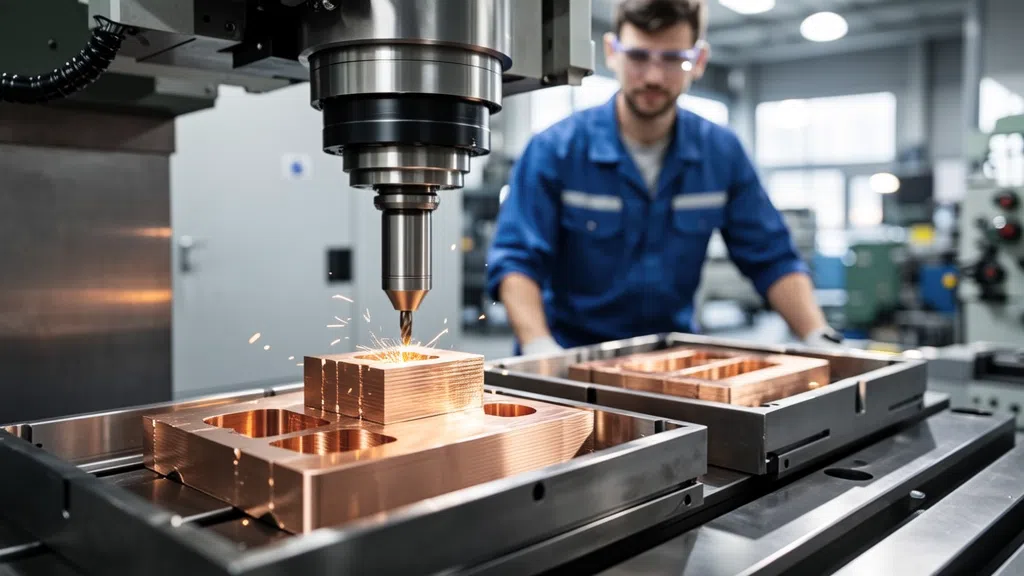
One of the critical areas where CNC machining is evolving is through automation. Robots and smart machines are taking over repetitive tasks, which means less human error and better efficiency. I remember last year, we invested in newer CNC machines equipped with AI capabilities. The production speed increased by 30%, and the level of detail was unmatched. This sort of innovation not only streamlines processes but also reduces costs, making companies more competitive in the market.
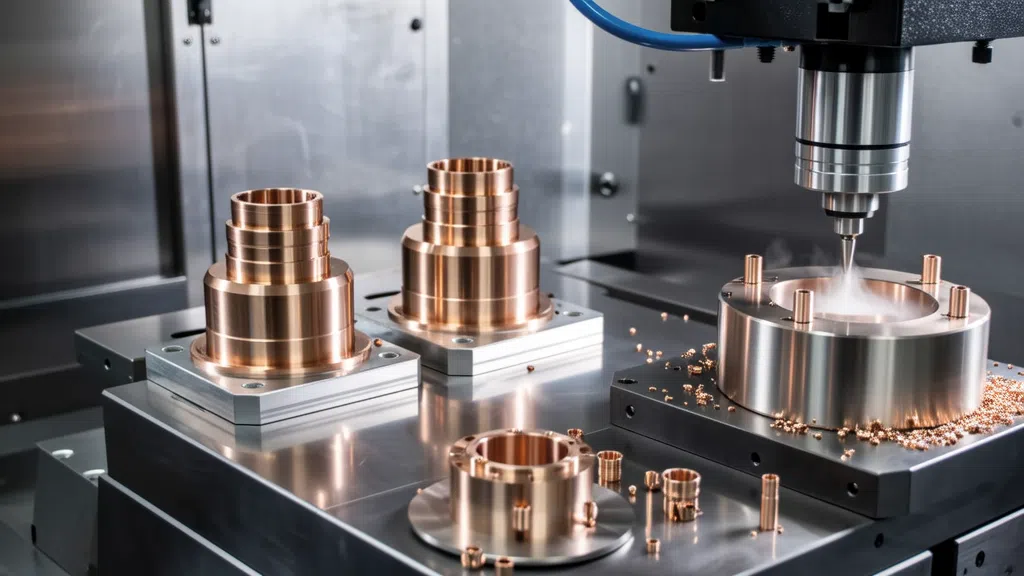
Another aspect is the rise of new materials. With advancements in material technology, designers can now experiment with composites and lightweight metals. These materials often lead to products that are not just strong but also significantly lighter. For instance, when we started using advanced aluminum alloys in our machining processes, we noticed a drop in material waste and an overall increase in product durability. Those changes set us apart from competitors who were still relying on older materials and techniques.
The Shift Toward Sustainability
Sustainability is also a massive focus for CNC machining in Shenzhen’s industrial design. With global demand for eco-friendly products rising, more manufacturers are implementing sustainable practices. Adopting recyclable materials and reducing energy consumption during the machining process is just the tip of the iceberg. I’ve seen many companies striving for a smaller carbon footprint while maintaining quality, and it’s refreshing to witness this change.
For instance, a project I worked on last year involved a redesign of components for an electric vehicle. We prioritized materials sourced from sustainable suppliers. Not only did it add to the vehicle’s appeal, but it also met the increasing consumer demand for environmentally responsible products. I believe that integrating sustainability into CNC machining will become a standard practice that customers will look for in years to come.
Integration of Design and Manufacturing
The future also points towards a more integrated approach between design and manufacturing. With the capabilities of CNC machining, designers can directly translate their ideas into products without significant alterations. Using CAD (Computer-Aided Design) software, designers can visualize parts in a 3D environment before they even hit the machine. This results in fewer errors and minimizes the need for revisions, which can be costly.

I’ve helped clients with product designs where we optimized their designs for CNC machining, and the results were astounding. They were able to bring their products to market faster, which is crucial in today’s fast-paced environment. This closer collaboration will become essential as companies strive to stay ahead of the competition.
Conclusion
CNC machining in Shenzhen’s industrial design realm is set to thrive and adapt to these changing times. With innovations in automation, new materials, sustainability efforts, and integrated design processes taking center stage, we can expect to see substantial progress by
What are the key innovations driving CNC machining in Shenzhen?
CNC machining in Shenzhen is rapidly evolving thanks to automation and advanced materials. These innovations help improve efficiency and precision.
For example, many companies are using AI-driven machines to speed up production and reduce errors, which has resulted in a 30% increase in operational efficiency for some manufacturers.
How is sustainability shaping the future of CNC machining?
Sustainability is becoming crucial in CNC machining, with more companies adopting eco-friendly practices. Manufacturers are shifting to recyclable materials and reducing energy consumption in their processes.

In fact, companies actively focusing on sustainable practices could draw in eco-conscious consumers, which is increasingly important in today’s market.
What role does design integration play in CNC machining?
Design integration is essential as CNC machining allows designers to convert their 3D models directly into tangible products. This close relationship minimizes errors and revisions, speeding up the production process.
For instance, the collaboration between designers and manufacturers can reduce product development time significantly—sometimes by several weeks.
Why is Shenzhen considered a hub for CNC machining advancements?
Shenzhen is recognized as a technology and innovation hub, attracting many manufacturing companies due to its favorable business environment and access to talent.
With the city continually evolving, it’s exciting to see how local companies are pushing the boundaries of CNC machining and setting trends for others to follow.
How can companies stay competitive in the CNC machining landscape?
To remain competitive, companies should invest in the latest technologies and focus on continuous improvement. Embracing automation and staying informed about new materials can give them an edge.
Moreover, proactively seeking partnerships with design teams can lead to faster turnarounds and ultimately enhance their market position.

 English
 German
 Turkish
 Spanish
 French