

Anodizing: Enhancing Protection and Aesthetics
Anodizing is a popular technique that provides a protective oxide layer on aluminum surfaces. This process helps prevent corrosion and wear while allowing for vibrant color finishes. Why should you consider anodizing?
However, it’s important to note that anodizing may not be suitable for all applications, especially where heat dissipation is crucial.
Polishing: Achieving a Mirror Finish
If you’re after a stunning visual impact, polishing might be your go-to method. It can give aluminum components a shiny, mirror-like finish that’s especially appealing for consumer products.
However, keep in mind that while polishing enhances visual appeal, it may not provide the highest level of durability compared to anodizing.

Milling: Precision and Versatility
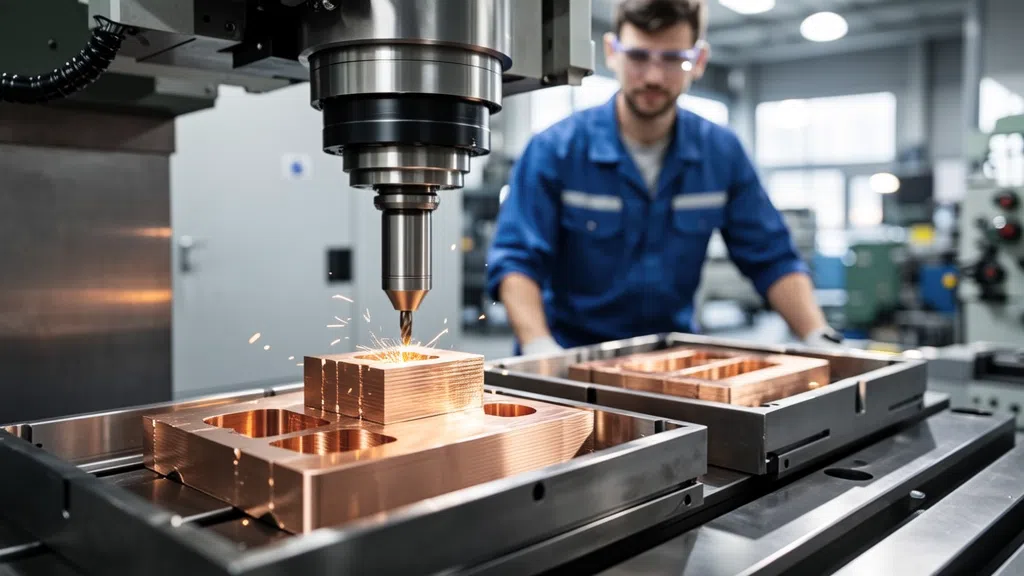
Milling is a versatile CNC machining process that allows for precise shaping of aluminum parts, making it suitable for various applications.
Although it is highly effective, milling can produce a rough surface that may require additional finishing treatments like sanding or polishing.
Choosing the Right Method for Your Needs
So, how do you decide which CNC machining method is best for aluminum surface treatment? Here are a few factors to consider:

At ly-machining, we understand that making the right choice can be daunting, especially with the variety of methods available. That’s why our team is ready to assist you in selecting the best CNC machining method tailored to your specific application needs, ensuring high-quality outcomes for your aluminum components. Whether you’re looking for durability, aesthetic appeal, or precision, we have the expertise to guide you through your options and deliver outstanding results.
What is anodizing and why is it significant for aluminum?
Anodizing is a process that creates a protective oxide layer on aluminum surfaces. This layer not only enhances durability by making the aluminum resistant to scratches and corrosion but also offers vibrant color options. It’s significant for outdoor applications where protection from harsh elements is necessary.
Additionally, anodizing allows for aesthetic versatility, enabling designs that can attract customers. If you want a product that lasts and looks good, anodizing is definitely a method to consider for aluminum treatment.

How does polishing affect the appearance of aluminum parts?
Polishing gives aluminum components a stunning mirror-like finish that can enhance their visual appeal significantly. This method reflects light beautifully, making it especially attractive for consumer products that need to stand out. If you want your aluminum parts to have that “wow” factor, polishing is a great option.
However, while polishing improves appearance, it may require additional protective treatments to ensure durability over time. Consider the balance between aesthetics and functionality when choosing this method.
What are the advantages of milling for aluminum machining?
Milling is a highly versatile CNC machining process that allows for precision shaping of aluminum parts. One of the main advantages of milling is its ability to create complex geometries with high accuracy, making it suitable for various applications, from automotive to aerospace.
This method also allows for significant flexibility because you can remove large amounts of material efficiently. However, be prepared to incorporate additional finishing processes, as milling can leave the surface rough and may not meet your aesthetic requirements on its own.
How do I choose the right CNC machining method for my aluminum project?
Choosing the right method depends on several factors, including the application, environment, and desired finish. For instance, if your aluminum part will face harsh conditions, anodizing would be ideal for its protective qualities. On the other hand, if you need a visually stunning component, polishing may be the best route.
Understanding your specific requirements will help guide your decision. You should consider factors like durability, aesthetics, and the complexity of the design to ensure you select the most suitable machining method for your needs.
Are there any limitations to anodizing aluminum?
While anodizing offers significant benefits like durability and aesthetics, there are limitations to consider. Anodizing can slightly alter the dimensions of the aluminum part, which might be critical in precision applications. Additionally, while it provides good corrosion resistance, it may not be sufficient in extremely acidic or alkaline environments.
Furthermore, the color options can vary depending on the anodizing process, so if you’re looking for a very specific shade, this might pose a challenge. Make sure to discuss these factors with your CNC machining provider to find the best approach for your project.

 English
 German
 Turkish
 Spanish
 French