

We’ll dive into the factors that influence these order quantities, such as material requirements, production complexity, and customization needs. Understanding the minimum order quantity can help you plan more effectively, ensuring you don’t overcommit or under-produce. Whether you’re a startup needing a few parts or an established company requiring thousands, knowing the MOQ can guide your planning and budgeting.
Additionally, we will discuss how working with local Shenzhen manufacturers can offer flexibility and streamlined communication compared to overseas suppliers. You’ll gain insights into negotiating MOQs and making the most of your manufacturing partnerships.
By the end of this article, you’ll have a clear understanding of how to navigate the ins and outs of CNC machining minimum order quantities in Shenzhen, enabling you to make smarter production decisions that align with your business goals.
When you’re gearing up for a CNC machining project in Shenzhen, one of the most common questions you’ll face is: “What is the minimum order quantity?” This is crucial as it impacts your budgeting, timelines, and ultimately the success of your project. I’ve been around this industry long enough to understand how significant this is, both for newcomers and seasoned players alike.
Understanding Minimum Order Quantities (MOQs)
Minimum Order Quantity, or MOQ, simply refers to the smallest amount of product you must order from a manufacturer to proceed with production. For many CNC machining companies in Shenzhen, including ours at LY-Machining, MOQs can vary based on several factors. These include the complexity of the part you need, the type of materials used, and the specific processes involved in machining.
From my experience, a typical MOQ can range anywhere from 10 to over 1,000 units, depending on these variables. For instance, if you’re looking for a simple part made of aluminum, the MOQ might be lower. However, for more detailed or customizable designs, manufacturers may require larger orders to justify the setup and production costs.
Factors That Influence MOQs in Shenzhen
When I helped a friend navigate his CNC machining project, we discovered that his intricate design required specialized machinery. This complexity increased the MOQ because setting up the machine for detailed work requires more time and resources. Therefore, simpler designs generally translate to lower MOQs.
Different materials have varying costs and availability, which also affects MOQs. For instance, metals like steel or titanium can often have higher MOQs due to their cost and the resources involved in processing them. I remember working on a project for a client who wanted parts made from rare materials; the MOQ skyrocketed, as those materials weren’t as readily available.
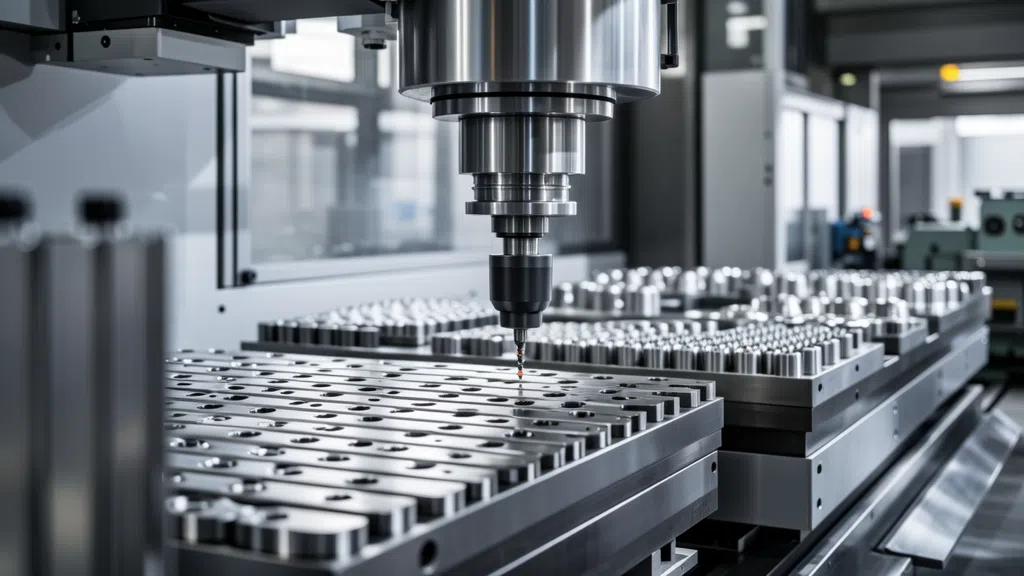
If you need a unique part quickly, some manufacturers might offer a lower MOQ for prototype batches, but the cost may be higher per unit. This comes down to the production method and whether the machining process can be efficiently utilized. Regular production runs tend to have standardized MOQs which allow for cost efficiencies.
Communication with Manufacturers
Understanding MOQs is just one part of the puzzle. Engaging directly with manufacturers is key. At LY-Machining, we’d be happy to discuss your project in detail. Making your expectations clear can often lead to negotiating more favorable conditions. For instance, if you’re looking to run small-batch products often, let’s chat about how we can streamline the process for better pricing and lower MOQ thresholds over time.
Final Thoughts on Managing Your Expectations
It’s essential to manage your expectations and prepare adequately when you’re thinking about CNC machining in Shenzhen. Researching and understanding what other similar projects have faced can guide you on what’s typical. I always suggest contacting multiple manufacturers to get a sense of their MOQs and comparing how they align with your needs.
Once you have a clear understanding of MOQs, you’ll be ready to navigate your CNC machining project more effectively. If you’ve had experiences with MOQs or even questions about your specific project, I encourage you to share them. It’s a collaborative approach; together, we can figure out what works best for you!
What is the typical minimum order quantity for CNC machining in Shenzhen?
The minimum order quantity, or MOQ, for CNC machining in Shenzhen usually varies based on factors like material and complexity. In general, you might expect MOQs to range from as low as 10 units for simple designs to over 1,000 units for more complex parts.
It’s important to communicate with manufacturers to get precise numbers for your specific needs. Each project is unique, and understanding these nuances can help you plan better.
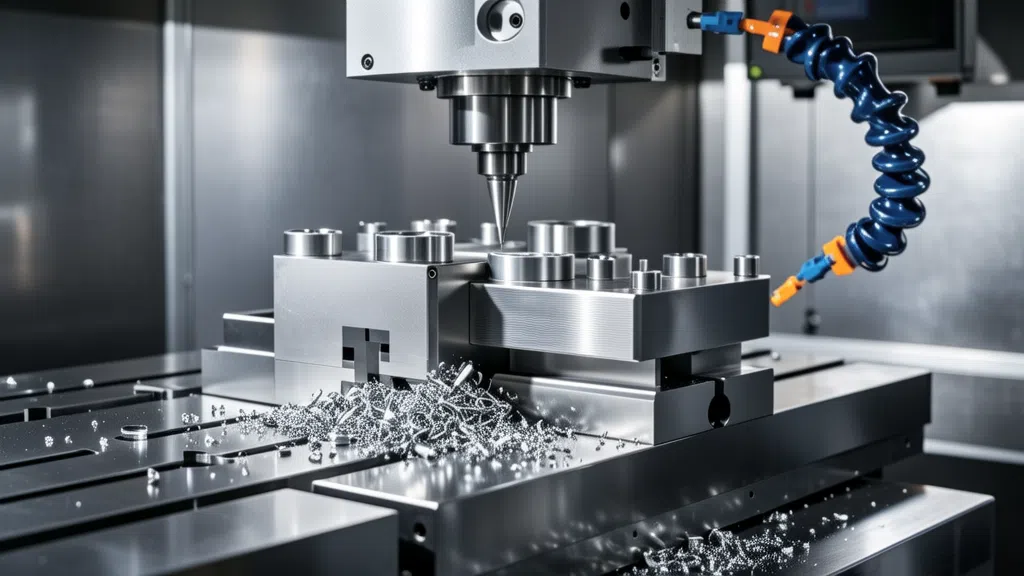
How do design complexity and material choice affect MOQs?
<p.Design complexity plays a significant role in determining MOQs. For intricate designs that require special machinery, manufacturers often set higher MOQs to make the setup process worthwhile. For example, a slightly complicated part might have an MOQ of 100 units.
Material choices also matter. If you’re working with more expensive or less available materials, like titanium, expect higher MOQs compared to materials like aluminum. This can lead to differences in the pricing and overall project budget.
Can I negotiate the minimum order quantities with manufacturers?
<p.Yes, negotiation is quite common in the CNC machining industry. If you explain your specific needs and future production plans, many manufacturers are willing to adjust their MOQs to accommodate you. For instance, if you can commit to future orders, they might lower the MOQ for your initial run.
Having clear communication about your project’s scope can create opportunities for better terms, so don’t hesitate to ask!
What should I do if my project needs a very low MOQ?
If you need a very low MOQ, consider discussing prototype options with manufacturers. Many CNC shops will have special terms for prototype runs that might require fewer units, possibly as few as 5 or 10.
Keep in mind, though, that the cost per unit may be higher for low-volume runs. It’s all about balancing your needs with the economic realities of manufacturing.
How can I prepare for discussions about MOQs with manufacturers?
To prepare for discussions about MOQs, gather as much information as you can about your project, including design files, materials, and desired timelines. Knowing these details can help manufacturers give you accurate MOQ numbers.
Additionally, being upfront about your budget can also help them provide options that suit your financial constraints while still meeting your manufacturing needs.

 English
 German
 Turkish
 Spanish
 French